Toradol 10 mg tablets contain ketorolac, an NSAID reserved for short-term continuation after injectable treatment of moderately severe acute pain in adults. The combined injection-and-tablet course must not exceed five days, and the maximum oral dose is 40 mg a day. Our offered quantities range from 60 to 360 tablets, all of which exceed the maximum number needed for one oral-only five-day course, so pack quantity must never be used to set or extend treatment.
This tool only estimates pack size from the values you enter.
×
You need: 21 tabsRecommended packs: 1 x 60 = 60 tabs
Manufacturers
Apotex Inc.Ranbaxy Laboratories Ltd.Recordati Industria Chimica e Farmaceutica S.p.A.Roche FarmaTeva Canada Limited
Payment & Delivery
Package Example
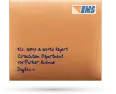
Your order is carefully packed and ships within 24 hours. Here's the typical package.
Sized like a regular personal letter (24x11x0.7 cm), with no indication of its contents.
Front View
Side View
Back View
Delivery Times
Delivery Method
Estimated delivery
Express Free for orders over A$430.25
Estimated delivery to Australia: 4-7 days
Standard Free for orders over A$286.83
Estimated delivery to Australia: 14-21 days
Payment Methods
Discount Coupons
Australia Day - 26 January 2026 10%AUSDAY10
Labour Day - 2 March 2026 6%LABOUR6
ANZAC Day - 25 April 2026 8%ANZAC8
King's Birthday - 8 June 2026 7%KING7
Boxing Day - 26 December 2026 12%BOXING12
Brand Names
Also known as (by country):
Country
Brand Names
Canada
APO-KetorolacTeva-Ketorolac
FAQ
A prescription is required to obtain systemic ketorolac from local pharmacies in Australia. However, our store policy allows you to order these tablets without providing a prescription, and they can be sent by mail.
Take the missed dose when you remember unless it is nearly time for the next dose. Skip it if the next dose is due soon, and do not take two doses together. Ketorolac is intended for short-term use only.
The manufacturer of the supplied product may vary. The manufacturer's name is shown on the product packaging.
Do not take the tablets until the discrepancy has been checked. Compare the active ingredient, 10 mg strength, dosage form, package label, lot number and expiry date with your order details, then request assistance with the unopened pack where possible.
Store the tablets at 20°C to 25°C. Temperatures from 15°C to 30°C are permitted for brief excursions. Protect them from light and keep the container tightly closed.
Ketorolac is a non-steroidal anti-inflammatory drug used for short-term treatment of moderately severe acute pain in adults, including pain after an operation or procedure. It is not intended for minor pain or long-term treatment because serious stomach bleeding, kidney and cardiovascular risks increase with longer use.
These 10 mg tablets are taken by mouth with water and may be taken with food to reduce stomach upset. Oral ketorolac is generally used as short-term continuation treatment after injectable ketorolac; follow the prescribed schedule and do not exceed the total five-day treatment limit.
Ketorolac is contraindicated during pregnancy and while breastfeeding. Like other NSAIDs, it can affect fetal circulation, kidney function and labour during pregnancy, and it may pass into breast milk.
Description
Toradol's strict treatment window shapes the decision
The defining feature of Toradol 10 mg tablets is not simply that they relieve pain, but that their role is narrow and their treatment window is strictly limited. Each tablet contains ketorolac, a non-steroidal anti-inflammatory drug (NSAID) intended for short-term continuation after injectable ketorolac treatment of moderately severe acute pain in adults. The injection and tablets form one course: combined treatment must not exceed five days, and the oral dose must not exceed 40 mg in a day.
This makes Toradol very different from a pain reliever used intermittently over weeks or kept as a routine option for recurring symptoms. It is not intended to begin treatment for mild pain, manage chronic pain or provide an open-ended anti-inflammatory routine. Before selecting an offered quantity, the important decision is whether ketorolac's continuation role, prescribed dose and remaining treatment time match the situation. A larger package does not permit a higher dose, a longer course or future self-directed treatment.
Product identity and clinical role
Toradol is the brand name for ketorolac. The product we offer is a 10 mg immediate oral tablet taken by mouth; no other strength or route is included on this page. Ketorolac reduces pain and inflammation, but its gastrointestinal, kidney and bleeding risks mean it is reserved for a brief, clearly defined episode rather than everyday pain relief.
Oral ketorolac follows injectable treatment rather than resetting the treatment clock. If injectable ketorolac was given for two days, for example, those two days count towards the five-day combined maximum. The tablets may then cover only the remaining period directed by the prescriber. This distinction matters when comparing Toradol with other NSAIDs that may be selected for different pain patterns or longer treatment periods.
The tablets are not indicated for paediatric use. Supplied dosing information covers people aged 17 years and over, but age alone does not establish suitability. Kidney function, body weight, hydration, other medicines and the risk of bleeding must also be considered.
Who may consider Toradol, and which factors matter?
Toradol tablets may be relevant to an adult who has received injectable ketorolac for a defined episode of moderately severe acute pain and needs an oral form to complete the same short course. A prescriber should determine the dose and duration. The medicine is not an appropriate starting point for mild, persistent or intermittent pain simply because stronger relief is wanted.
Factors that can materially change the decision include:
The type and duration of pain: a brief episode of moderately severe acute pain fits ketorolac's established role; chronic or recurring pain generally calls for a different plan.
Time already spent on injectable ketorolac: every day of injectable treatment reduces the time available for tablets within the five-day combined limit.
Age and body weight: older adults and people weighing under 50 kg may require a lower dosing approach and closer assessment.
Kidney function and hydration: reduced renal function, dehydration or compromised kidney blood flow can substantially increase risk.
Pregnancy or breastfeeding: ketorolac is contraindicated in both situations under the supplied product information.
Previous reactions to aspirin or another NSAID: hypersensitivity, including asthma associated with nasal polyps, hives or angioedema, points away from ketorolac.
Other medicines: anticoagulants, antiplatelet medicines, other NSAIDs and several kidney-affecting medicines can make ketorolac unsuitable.
These factors cannot be resolved by selecting a smaller pack or shortening treatment without professional advice. They affect whether the medicine should be used at all and what dosing instructions are appropriate.
How does ketorolac work in practice?
Ketorolac inhibits cyclo-oxygenase enzymes, commonly called COX-1 and COX-2. This reduces production of prostaglandins involved in pain, inflammation and fever. The same prostaglandins also help protect the stomach lining, support kidney blood flow and contribute to normal platelet function. Reducing them can therefore relieve pain while increasing the possibility of gastrointestinal bleeding, kidney impairment and prolonged bleeding.
This balance explains the strict dose and duration limits. Taking more than directed or continuing beyond five total treatment days does not turn ketorolac into a suitable long-term pain medicine. Instead, exposure increases while serious risks remain. Combining it with another NSAID is also unsafe because the medicines act through overlapping pathways without providing a justified safety advantage.
The practical goal is not to take ketorolac until every trace of discomfort has disappeared. It is to use the prescribed oral component for the remaining portion of a defined short course, then seek reassessment if pain continues or worsens.
A safe short-course routine
Follow the directions supplied by the prescriber and dispensing pharmacist. The strength on this page is always 10 mg per tablet, but that does not mean every person should take the same number of tablets or use the medicine for all five days. Lower or less frequent dosing may be necessary, and the period already spent receiving injectable ketorolac must be included.
Confirm when the first injectable ketorolac dose was given and count that day as part of the combined treatment period.
Take only the prescribed tablet dose at the directed intervals. Never exceed 40 mg in 24 hours.
Do not take an additional tablet to compensate for a missed dose. Ask a pharmacist or prescriber if the next step is unclear.
Taking a tablet with food or water may reduce stomach upset, but it does not prevent ulcers or gastrointestinal bleeding.
Do not continue after the directed stopping point, even if tablets remain in the package.
Seek reassessment if pain is not adequately controlled rather than increasing the dose or extending the course.
Store the tablets at 20°C to 25°C, with brief excursions permitted between 15°C and 30°C. Protect them from light and keep the container tightly closed. As with any medicine, keep them out of reach of children and do not share them with another person.
Our available tablet quantities
We offer Toradol 10 mg tablets in quantities of 60, 90, 120, 180, 270 and 360 tablets. The strength remains 10 mg in every option; only the tablet count changes. These quantities should be considered separately from the clinically appropriate dose and course length.
At the maximum oral dose of 40 mg a day, four 10 mg tablets are taken in 24 hours. Even an oral-only five-day period would therefore use no more than 20 tablets, and prior injectable treatment would shorten the available tablet period further. Every quantity we offer is larger than the maximum number required for one such oral-only course. Selecting one of our listed quantities must not be interpreted as authorisation to use all the tablets, repeat treatment later or supply tablets to other people.
Before ordering, check the prescribed quantity and intended duration rather than choosing on the assumption that a larger count represents better value for future episodes. Ketorolac should not be stored as an everyday household pain reliever or restarted without a new clinical decision.
What effects and timing can be expected?
After an oral dose, ketorolac commonly begins to relieve pain within about 30 to 60 minutes. Its effect may peak at around one to two hours, with pain relief often lasting approximately four to six hours. Timing varies between people and does not change the prescribed interval or justify taking an early additional dose.
The expected outcome is short-term reduction of acute pain during the remaining part of a defined treatment course. Toradol is not intended to produce gradual improvement in a chronic condition, and it does not treat the underlying cause of pain. If relief is inadequate, the safe response is clinical reassessment rather than taking extra tablets.
Pain that persists after the five-day combined limit may require a different medicine, a non-medicine strategy or investigation of the underlying cause. Continuing ketorolac beyond the limit is not an appropriate way to bridge the gap while waiting for another plan.
Important safety priorities
Ketorolac can cause serious adverse effects even during short treatment. Gastrointestinal ulceration, bleeding or perforation may occur without much warning. Kidney injury is more likely in people with existing renal impairment, dehydration, reduced circulating blood volume or medicines that affect kidney blood flow. Ketorolac also interferes with platelet function and can increase bleeding risk.
It is contraindicated during pregnancy and breastfeeding under the supplied product information. It must also be avoided by people with previous hypersensitivity to ketorolac, aspirin or another NSAID, including reactions involving asthma, nasal polyps, hives or angioedema. Oral ketorolac tablets are not indicated for children.
Stop taking the medicine and seek urgent medical attention for signs such as vomiting blood, black or bloody stools, severe abdominal pain, difficulty breathing, facial or throat swelling, faintness, markedly reduced urination or a severe skin reaction. New chest pain, sudden weakness, trouble speaking or other symptoms suggesting a cardiovascular event also require urgent assessment.
Dizziness, drowsiness, vertigo or visual disturbance can impair driving and the use of machinery. Do not drive or operate machinery if affected. People with diabetes do not need a special warning because of blood glucose effects, but diabetic kidney disease can make ketorolac's renal risks particularly relevant.
Interactions and practical precautions
Do not combine ketorolac with aspirin or another NSAID, including ibuprofen, naproxen or diclofenac, unless a prescriber has explicitly reviewed and directed the regimen. Using two NSAIDs together increases adverse-effect risk and is not a safe way to improve pain control.
Tell the prescriber or pharmacist about all prescription medicines, non-prescription products and supplements, particularly:
Anticoagulants and antiplatelet medicines, such as warfarin, because bleeding risk can increase.
Corticosteroids, which can further increase the risk of gastrointestinal ulceration and bleeding.
ACE inhibitors, angiotensin receptor blockers and diuretics, because the combination can impair kidney function, especially during dehydration.
Lithium or methotrexate, whose levels or toxicity may be affected.
Probenecid, which can alter ketorolac clearance and should not be combined with it.
Alcohol can add to stomach irritation and bleeding risk. Maintaining adequate fluid intake is generally important, but anyone with heart failure, kidney disease or a prescribed fluid restriction should follow individual clinical advice rather than increasing fluids independently. A pharmacist should review the complete medicine list before treatment begins.
Which alternatives are worth comparing?
An alternative should be chosen according to the type of pain, required duration, medical history and individual risk factors rather than a simple ranking of strength. Ibuprofen or naproxen may be considered for some mild-to-moderate pain patterns, but they remain NSAIDs and carry gastrointestinal, kidney and cardiovascular risks. Their different treatment roles do not make them safe for every person or suitable for use alongside ketorolac.
For inflammatory joint pain requiring a longer-acting option, Mobic contains meloxicam and has a different dosing pattern from ketorolac's five-day continuation role. Celebrex contains celecoxib, a COX-2-selective NSAID that may be considered when gastrointestinal risk influences medicine selection, although it still has important cardiovascular, kidney and other safety considerations.
Neither option is universally better than Toradol. Toradol may fit a short continuation course after injectable ketorolac, while a different medicine may fit recurring, chronic or less severe pain. Paracetamol or non-medicine measures may also be considered in some circumstances. A prescriber or pharmacist can help compare options without overlapping NSAIDs or extending ketorolac beyond its intended role.
Australian regulation and our ordering policy
Systemic ketorolac is classified in Australia as a Schedule 4 Prescription Only Medicine. That is the medicine's Australian regulatory classification. Ketorolac tablets are not listed as a Pharmaceutical Benefits Scheme medicine according to the current regional information.
The available product information do not confirm current Australian Register of Therapeutic Goods registration or an Australian sponsor for the exact Toradol 10 mg tablet product. The exact product should therefore be verified in the ARTG before supply. Suspected adverse events associated with ketorolac can be reported to the Therapeutic Goods Administration.
Our ordering requirement is a separate matter from the Australian classification. Under our current ordering policy for this product, we do not require a prescription to accept the order. This checkout requirement does not change ketorolac's Schedule 4 status in Australia, replace clinical assessment or establish that the medicine may lawfully be supplied or used without meeting applicable Australian requirements.
Ordering and support from us
Our catalogue currently presents one strength, 10 mg, with quantities of 60, 90, 120, 180, 270 and 360 tablets. After choosing an offered quantity, customers complete our checkout in Australian dollars. The selected count changes only the number of tablets supplied; it does not change the dose, extend the five-day treatment limit or create an appropriate quantity for repeat courses.
Our support team is available 24/7 by email and online chat, and pharmacist support is available. Customers can contact us if they need help understanding the product listing or our ordering process. Questions about whether ketorolac is clinically suitable, how it should be dosed or whether treatment should continue require individual advice from an appropriate healthcare professional.
No single delivery timeframe, packing method or arrival guarantee applies to every order, so these should not be assumed when making a treatment decision. A time-sensitive pain plan should be arranged with the treating clinician rather than relying on an online order to arrive within a particular clinical window.
The final decision
Toradol 10 mg tablets fit a specific situation: an adult is completing a clinician-directed course after injectable ketorolac for moderately severe acute pain, the injection and tablet treatment together remain within five days, and the oral dose stays at or below 40 mg a day. The medicine is a poor fit for mild pain, chronic pain, unsupervised repeat courses or routine household use.
Pregnancy, breastfeeding, kidney impairment, dehydration, bleeding risk, previous aspirin or NSAID reactions and interacting medicines can all change or rule out the decision. Persistent pain should lead to reassessment, not a larger dose or a longer ketorolac course.
Our smallest offered quantity is 60 tablets, which still exceeds the maximum number used in one oral-only five-day course at the daily dose ceiling. The package selected must therefore remain separate from the prescribed amount. Confirm the medicine, remaining treatment duration and required quantity before ordering, and use only the number of tablets specifically directed for the current short course.
I'm in Geelong and want to order Toradol 10 mg tablets. Can I use my postcode to check whether delivery is available before I place the order?
A
Answered by Support team
Yes. Enter your Geelong postcode at checkout to see the delivery options available for your address. Delivery timing depends on the option selected and your location.
Q
Asked by Jack, Broome, Australia
I live in Broome rather than a major city. How can I find out whether you can deliver these ketorolac tablets to my area?
A
Answered by Support team
Please enter your Broome delivery address and postcode at checkout to check the options available for your area. We cannot confirm remote-area availability or delivery timing until the address is assessed.
Q
Asked by Claire, Toowoomba, Australia
I have type 2 diabetes and was considering ketorolac for acute pain. Does diabetes make these 10 mg tablets unsuitable?
Diabetes itself is not a specific contraindication to ketorolac and ketorolac does not usually affect blood glucose. However, kidney function is important because NSAIDs can worsen kidney problems, particularly if diabetic kidney disease, dehydration or reduced kidney function is present; this needs individual clinical assessment before use.
Product specifications
Active ingredient
Ketorolac
Drug class
Non-steroidal anti-inflammatory drug (NSAID)
Dosage form
Tablet
Available strengths
10 mg
Route of administration
Oral
Storage
Store at 20°C to 25°C; excursions permitted between 15°C and 30°C. Protect from light and keep the container tightly closed.
ATC code
M01AB15
Regulatory information
Australian market approvalKetorolac is approved for therapeutic human use in Australia.
Prescription classificationOral ketorolac tablets are scheduled as a prescription-only medicine in Australia and can only be supplied with a valid doctor's prescription.