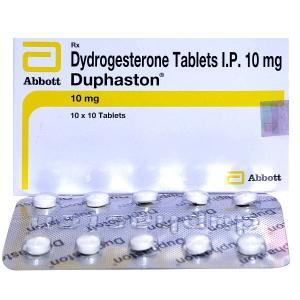
 What Is Duphaston (Dydrogesterone)
Duphaston is a brand name for the medication dydrogesterone, a synthetic hormone in the progestin class. Progestins are synthetic forms of the hormone progesterone, which is naturally produced by the ovaries in women.
Duphaston is primarily used in the treatment of various gynecological conditions. It is commonly prescribed to support pregnancy and prevent miscarriage in women with recurrent miscarriages or specific hormonal imbalances.
Dydrogesterone is often used as a form of progesterone replacement therapy. Progesterone plays a crucial role in preparing the uterine lining for the implantation of a fertilized egg and maintaining a healthy pregnancy.
Duphaston may also be prescribed to treat certain menstrual disorders, such as irregular periods, premenstrual syndrome (PMS), and dysmenorrhea (painful menstruation).
In some cases, Duphaston may be used to manage endometriosis, a condition where tissue similar to the lining of the uterus grows outside the uterus.
Duphaston is not typically used as a standalone hormone replacement therapy but may be combined with estrogen in hormone replacement therapy for postmenopausal women with an intact uterus.
Duphaston is usually taken orally in the form of tablets. The dosage and duration of treatment depend on the specific condition and the individual patient.
Common side effects of Duphaston may include nausea, breast tenderness, and changes in menstrual bleeding. Serious side effects are rare but can include allergic reactions or liver problems.
Duphaston is often prescribed during pregnancy to support the early stages of gestation. The safety of Duphaston during breastfeeding needs to be better established, and its use should be discussed with a healthcare provider.
It's crucial for individuals prescribed Duphaston to follow the recommended dosage and schedule provided by their healthcare provider. As with any medication, potential benefits and risks should be discussed with a healthcare professional, especially if there are concerns or underlying health conditions.
Uses and Administration
Dydrogesterone is a progestogen structurally related to progesterone. It does not have oestrogenic or androgenic properties.
Dydrogesterone has been given orally in the treatment of menstrual disorders such as menorrhagia, usually in a dose of 10 mg twice daily in a cyclical regimen, and for the treatment of endometriosis in a dose of 10 mg two or three times daily cyclically or continuously. It has also been given cyclically in doses of 10 mg once or twice daily or continuously in doses of 5 mg daily for endometrial protection during menopausal HRT.
In threatened miscarriage, suggested doses have been 40 mg initially followed by 10 mg or more every 8 hours, continued for a week after symptoms cease, then gradually reduced unless symptoms return. In recurrent miscarriage, suggested doses have been 10 mg twice daily, given cyclically until conception, then continuously until week 20 of pregnancy; the dose may then be gradually reduced. However, such use is only recommended if there is proven progesterone deficiency. Cyclical dydrogesterone has also been used in infertility in doses of 10 mg twice daily.
Adverse Effects and Precautions
Duphaston (dydrogesterone) may cause side effects, like any medication, in some individuals. It's important to note that not everyone will experience these side effects, and some people may experience none at all. Common side effects of Duphaston may include:
- Nausea: Some individuals may experience nausea as a common side effect of Duphaston. Taking the medication with food may help reduce this symptom.
- Breast Tenderness: Duphaston can cause breast tenderness or discomfort. This side effect is usually mild and temporary.
- Headache: Headaches have been reported as a side effect in some individuals taking Duphaston.
- Changes in Menstrual Bleeding: Duphaston is often prescribed to regulate menstrual cycles. However, it can sometimes cause changes in menstrual bleeding, including spotting or changes in flow.
- Skin Reactions: In rare cases, individuals may experience skin reactions such as rash or itching.
- Abdominal Pain: Some individuals may experience abdominal discomfort or pain as a side effect of Duphaston.
- Changes in Mood: Hormonal medications, including Duphaston, may affect mood in some individuals. Changes in mood, such as mood swings or irritability, have been reported.
- Allergic Reactions: Although rare, allergic reactions to Duphaston can occur. Signs of an allergic reaction may include rash, itching, swelling, severe dizziness, or difficulty breathing. Seek medical attention if you experience these symptoms.
It's essential to report any unusual or severe side effects to your healthcare provider promptly. Additionally, if you have a history of certain conditions, such as liver problems, you must inform your healthcare provider before starting Duphaston.
While the above list includes potential side effects, not everyone will experience them. Your healthcare provider can provide personalized information about the benefits and risks of Duphaston based on your specific health situation. Consult your healthcare provider for guidance if you have concerns about side effects or experience any unusual symptoms.
Porphyria
Dydrogesterone is associated with acute porphyria attacks and is considered unsafe in patients with porphyric.
Pregnancy
Anomalies (non-virilising) of the genito-urinary tract were found in a 4-month-old baby whose mother had taken dydrogesterone 20 mg daily from the eighth to twentieth week of pregnancy and 10 mg daily until the term. She was also given hydroxyprogesterone caproate 250 mg by intramuscular injection weekly from the eighth to the twentieth week.
Interactions
Dydrogesterone, the active ingredient in Duphaston, may interact with other medications and substances, potentially affecting their effectiveness or increasing the risk of side effects. You must inform your healthcare provider about all your medications, supplements, and over-the-counter drugs. Here are some potential interactions to be aware of:
- Estrogen-containing Medications: Duphaston is often used with estrogen in hormone replacement therapy (HRT) for postmenopausal women with an intact uterus. When used with estrogen, it may interact with certain medications, and the overall hormone replacement therapy regimen should be carefully monitored.
- Anticoagulants (Blood Thinners): Evidence suggests that dydrogesterone may enhance the anticoagulant effect of medications like warfarin. Close monitoring of blood clotting parameters is recommended if these medications are used together.
- Rifampin: Rifampin, an antibiotic used to treat tuberculosis, may decrease the effectiveness of dydrogesterone. Additional contraceptive measures may be needed if using both medications.
- Phenytoin: Phenytoin, an anticonvulsant, may decrease the effectiveness of dydrogesterone. Adjustments to the dosage of dydrogesterone may be necessary if used concurrently.
- Barbiturates: Barbiturates, such as phenobarbital, may decrease the effectiveness of dydrogesterone. Monitoring and potential adjustments in dosage may be needed.
- Herbal Supplements: St. John's Wort, an herbal supplement, may induce the metabolism of dydrogesterone, potentially reducing its effectiveness. It's advisable to inform your healthcare provider about herbal supplements.
- Grapefruit Juice: Grapefruit juice may interact with dydrogesterone by affecting its metabolism. It's advisable to avoid consuming grapefruit or grapefruit juice while taking Duphaston.
- Interactions with Other Hormonal Medications: Dydrogesterone may interact with other hormonal medications, and a healthcare provider should carefully monitor the use of multiple hormonal therapies.
This list is not exhaustive, and individual responses to medications can vary. Always provide a comprehensive list of your medications and supplements to your healthcare provider to ensure Duphaston's safe and effective use. They can help assess potential interactions and adjust your treatment plan accordingly.