What Is Lasix Used for?
Lasix (Furosemide), also known as a water pill, is a diuretic. It's frequently recommended to aid the body's urination of extra salt and water. It is sometimes used to treat illnesses including congestive heart failure, kidney issues, or high blood pressure to lessen edema and fluid retention. It boosts the body's excretion of water, salt, and chloride and raises urine production.
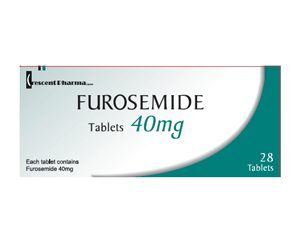 How the Medicine Looks Like
Tiny yellow or white tablets containing 20 or 40 milligrams of furosemide. Transparent liquid intended for intravenous injection.
Applications
Lasix causes the kidneys to produce more urine, lowering the body's water content. When this happens, blood pressure can be lowered, and water retention in the arms, legs, or lungs can be released. Additionally, Furosemide can aid in lowering blood calcium levels.
How to Take
Tablets should be taken with a small amount of water. Taking the tablets in the morning is recommended, followed by breakfast. If necessary, take your afternoon dosages by no later than 6 p.m.; if not, you might have to wake up in the middle of the night to use the restroom. You will receive an injection of Furosemide from your doctor or nurse.
Interactions
Interactions between Lasix and other drugs and substances may reduce its effectiveness or raise the possibility of adverse side effects. Here are a few typical interactions:
- Other Diuretics: Using diuretics simultaneously increases the risk of electrolyte imbalances and dehydration by having synergistic effects.
- Furosemide lessens the body's excretion of lithium, raising the body's lithium levels. Due to the potential for toxicity, lithium dosage adjustments may be necessary.
- Aminoglycoside Antibiotics: Lasix may raise the risk of ototoxicity (injury to the ears) and nephrotoxicity (damage to the kidneys) when used with aminoglycoside antibiotics (e.g., gentamicin).
- Nonsteroidal Anti-Inflammatory Drugs (NSAIDs): NSAIDs can lessen Furosemide's diuretic and antihypertensive effects. Kidney issues could also become more likely as a result of this interaction.
- Corticosteroids: Using corticosteroids concurrently can raise your risk of developing hypokalemia or low potassium levels.
- Digoxin: Furosemide may cause hypokalemia or other electrolyte imbalances, exacerbating digoxin's harmful effects on the heart.
- Antihypertensive Drugs: Furosemide and other antihypertensive drugs together may have a cumulative effect of decreasing blood pressure.
- A Few Anti-Diabetic Drugs: Furosemide may alter blood sugar levels and hinder certain anti-diabetic drugs' effects.
- Some Antiepileptic Drugs: The efficacy of certain antiepileptic medications may be diminished by Furosemide.
Before using Furosemide or any other new medication, it is important to inform your doctor about all the vitamins, over-the-counter medications, and prescriptions you are currently taking. This aids in evaluating possible interactions and modifying your treatment plan as necessary. Never change your drug schedule without first talking to your doctor.
Side Effects
| Side Effects |
Prevention |
What You Should Do |
| More Common |
| Dizziness when getting up from a lying or sitting position |
Get up slowly |
Inform your doctor or nurse if this bothers you. |
| Less Common |
| Blurred vision |
|
Avoid driving if your vision is blurred. Inform your doctor or nurse if this bothers you. |
| Rare |
| Easy bruising or bleeding. Black, tar-like stools. |
Use sharp objects with care. Use a soft toothbrush. Inform your doctor before going to the dentist. |
Call your doctor immediately if bleeding or bruising is unusual or will not stop, or contact the Emergency Department. |
| Yellow eyes or skin |
Your doctor will test your liver function |
Tell your doctor as soon as possible |
| Dark frothy urine |
| Joint pain, loss of balance |
Check with your doctor or nurse as soon as possible. |
| Ringing in ears, hearing loss |
| Skin rash |
Tell your doctor or nurse if this bothers you. |
| Signs of Low Potassium |
What You Should Do |
| Dry mouth, increase thirst |
Irregular heartbeat or weak pulse |
Eat potassium-rich foods |
| Muscle cramps/pain |
Unusual tiredness |
Contact your doctor if these symptoms persist or if they become severe. |
| Nausea and vomiting |
Your doctor may order a potassium medicine. |
What the Patient Should Know
Potassium can be lost from the body when taking this medicine. You can raise the amount of potassium in your body by consuming foods high in potassium, like oranges, bananas, or orange juice, or by taking a potassium supplement (as directed by your physician). Your dietician can assist you in selecting alternative foods high in potassium.
When you wake up in the morning, you may feel lightheaded or dizzy. Sit or lie down, then gently get to your feet. Dizziness may worsen in hot weather conditions or after consuming alcohol. Try consuming fewer alcoholic beverages, and steer clear of prolonged standing or sun exposure.
Furosemide may increase your skin's sensitivity to sunlight. Avoid the sun as much as you can. Wear eyewear and protective clothes, and apply sunscreen cream with an SPF of 30 or higher.
Take the missed dose of this medication as soon as you remember. Don't give yourself two doses, though, if it's time for the next dose.
Keep this medication out of children's reach and in a cold, dry location.
For any details regarding this drug, kindly contact your physician or nurse.
Warnings
Certain circumstances or contraindications dictate when it should not be used. The following are some typical contraindications:
This medicine or any of its parts should not be used by anyone who has shown signs of hypersensitivity or allergic reaction.
Since Lasix depends on urine production to get rid of extra fluid, it is not recommended for people who have anuria.
Lasix can potentially induce electrolyte imbalances, specifically a reduction in potassium levels. People who suffer from severe electrolyte imbalances might have to avoid taking it.
Lasix should be taken cautiously if someone is extremely dehydrated since it may make the condition worse.
The medicine may raise uric acid levels, which may lead to an attack of gout. Those with a history of gout may require special attention or different medicine.
It's possible that Lasix is unsafe to use while nursing or pregnant. In these circumstances, it's crucial to speak with a healthcare professional.
Furosemide should be used cautiously and, in certain situations, should not be used at all by those with specific medical conditions, such as liver disease.
Before taking Furosemide or any other drug, people should make sure their healthcare provider is aware of all of their medical history and current prescriptions. A medical practitioner is the only one who can assess if Furosemide is appropriate given a patient's unique medical circumstances.
Lasix Overdose
Overdosing can have significant side effects and needs to be treated right away. An excess of Furosemide may cause symptoms such as dehydration, hypokalemia, low potassium levels, low blood pressure, fainting, dizziness, lightheadedness, and ototoxicity.
In the event that an individual suspects overdosing or encounters adverse severe effects following Lasix administration, prompt emergency medical treatment should be sought. Depending on the overdose intensity and the symptoms, a specific strategy will be chosen.
How to Keep Lasix
It should be kept at room temperature. Steer clear of the sun and extremely hot weather.
It should be stored dry. It is advisable to store medication in a container with a tight lid because moisture can alter the medication's stability.
If you have kids or pets at home, keep Lasix out of reach and in a childproof container to avoid unintentional ingestion. For future reference, preserve the drug information and any instructions or patient pamphlets that the pharmacist or healthcare provider may have provided.
Verify the medication's expiration date on the container. Furosemide should not be used after the expiration date as it might not work as intended and might even be dangerous.