What Is Tylenol?
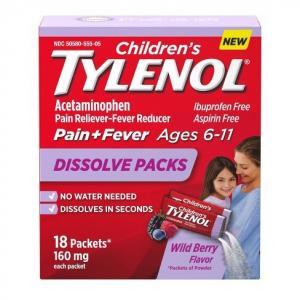 When taken in therapeutic doses, Tylenol (Acetaminophen or Paracetamol) is an analgesic-antipyretic with minimal adverse effects for the majority of people. However, when consumed in massive amounts, it is a strong hepatotoxin that can cause liver necrosis.
A massive, single overdose (> 10 g or > 30 regular-strength or > 15-20 extra-strength pills) taken in a suicide attempt is the primary cause of the majority of acetaminophen-related liver injuries. A therapeutic amount that is administered in tiny doses over time may accumulate to a level high enough to cause liver damage. Even a single therapeutic dosage of 3 g or several dosages of 4-8 g per day for two-seven days can cause liver damage in alcoholics. Patients may also be more vulnerable to hepatic harm from repeated therapeutic dosages of the drug if they have preexisting hepatic illness, malnutrition, or wasting conditions.
How Does It Work?
Acetaminophen is quickly absorbed when taken orally at therapeutic quantities; peak plasma concentrations are obtained in 30 to 60 minutes. It is metabolized in the liver by conjugating (70% to 80%) with sulfate or glucuronide, which is then eliminated in the urine. The medication is oxidized to produce catechol metabolites and 3-hydroxy- and 3-methoxy-acetaminophen in about 5% to 10% of cases.
The cytochrome P-450 mixed-function oxidase (MFO) system breaks down an additional 5-10% of the medication to produce the reactive metabolite N-acetyl-p-benzoquinone imine (NAPQI). Usually, the cysteine moiety of cytosolic glutathione interacts with this hazardous intermediate, resulting in the excretion of thioethers in the urine. The hazardous metabolite attaches to essential hepatocyte proteins and causes cell death if it exceeds the cellular glutathione level.
How to Take
It is recommended that oral tablets, capsules, or gel caps be taken with a full glass of water. Tylenol can be taken with or without food.
Rectal suppository:
- Open the suppository package.
- Place inside the rectum.
- If the suppository is overly soft, run some cold water over it or chill it for half an hour in the refrigerator.
Probability of Hepatic Damage
The following factors determine the possibility that a high dose of the medicine can cause liver damage.
Patient's Age
Compared to adults, young children often experience a far lower incidence of hepatotoxicity from acetaminophen overdose.
Total Amount Consumed
In most cases, the total hazardous single dose exceeds 15 g. However, lower single dosages of 3 to 6 g have occasionally been toxic.
Blood Level Reached
Blood levels four and ten hours after consumption are correlated with the degree of liver damage. The harm is frequently serious if blood levels are more than 300 mg/dL after four hours. Generally, levels less than 150 mg/dL are safe. A nomogram that aids in predicting liver damage linked to certain Tylenol blood levels was assessed four to twelve hours after use.
The Functions of the P-450 MFO Mechanism
When Tylenol is consumed in large dosages (> 10 mg), the pace of formation of the toxic metabolite influences the toxicity of the medicine. The drug's ability for the liver to sulfate and glucuronidate is exceeded, leading to an increase in the absolute and relative levels of the hazardous metabolite being metabolized by the P-450 MFO system. Additionally, the biotransformation of Tylenol to the hazardous metabolite is accelerated by prior activation of the P-450 MFO system by persistent alcohol consumption or by medications known to activate the P-450 system, such as barbiturates and phenytoin.
Sufficient Stocks of Glutathione
Glutathione levels in hepatic tissue are essential for the harmful effects of Tylenol when the toxic metabolite depletes more than 70% of the hepatic glutathione stores or when the tissue glutathione levels are low due to prior fasting, malnutrition, or alcohol use, toxicity, and cell necrosis result.
Alcoholics' Hepatotoxicity
Therapeutic dosages of Tylenol in alcoholics have been associated with severe hepatotoxicity in several cases. This is because starvation lowers the clearance of the poisonous metabolite since it lowers hepatic glutathione levels, and persistent alcohol consumption increases the synthesis of hazardous metabolite by the previously induced P-450 MFO system.
The centraxonial location of the hepatic injury is in line with the location of the enzymes in charge of the drug's metabolism. Centrally dilated and congested sinusoids are common. There is modest inflammatory infiltration and severe hemorrhagic hepatocellular necrosis but no steatosis.
Research on Diagnosis
With less significant increases in serum alkaline phosphatase, serum levels of glutamic-oxaloacetic transaminase (aspartate aminotransferase) and glutamic-pyruvic transaminase (alanine aminotransferase) are typically increased into the thousands. Most of the time, early and serious coagulation abnormalities are present together with an elevated prothrombin time. Values more than twice the normal range indicate a dire prognosis. Bilirubin levels are often somewhat high.
There is variation in the severity of the liver injury. Four to eighteen days following drug consumption, fulminant hepatic failure may progress and result in death.
Other Organs Damage
Overuse of Tylenol can harm other organs. It is possible to experience renal failure accompanied by acute tubular necrosis and cardiac injury, as shown by abnormalities in the ECG.
Recuperation
Within three months, the hepatic architecture returns to normal if the patient recovers from the acute episode.
Overdose
Treatments of overdose have included cholestyramine or activated charcoal administration to lessen the drug's absorption from the gastrointestinal tract, or hemodialysis or hemoperfusion to increase the drug's clearance from plasma. These methods are all ineffective.
Precautions
According to a study that examined umbilical cord blood samples, infants who were exposed to the most Acetaminophen were around three times as likely to receive an autistic spectrum disorder or ADHD diagnosis in childhood.
If you're using it to treat a fever, measure your temperature before taking any acetaminophen dose and record the result. If the temperature is 38° C (100° F) or above while you are getting chemotherapy, call your doctor immediately. Inform your doctor if the fever persists for more than two days if you are not undergoing chemotherapy.
Avoid taking more pills than your doctor has prescribed. Overdosing on pills can seriously harm the liver.
Inform your physician if you have severe renal disease or liver disease.
Restrict alcohol intake if you take Tylenol regularly.
Specific medical tests may be impacted by acetaminophen use. For instance, some blood sugar tests may give diabetic patients inaccurate results.
Acetaminophen is an active element in several combination drugs (such as cough and cold remedies). Before taking Tylenol, carefully read the labels of all other medications you take.
Keep out of children's reach and away from heat, direct light, and moisture.
Please call your doctor, pharmacist, or nurse for further information about this drug.
Side Effects
Here is the table with the most common side effects of Tylenol.
| Side Effect |
Description |
| Nausea |
A feeling of discomfort in the stomach, often leading to the urge to vomit. |
| Liver Damage |
Prolonged or excessive use of Tylenol can lead to liver toxicity. |
| Allergic Reaction |
Some individuals may experience allergic responses, such as rash, itching, or swelling. |
| Headache |
Ironically, one of the side effects can be a headache, although Tylenol is primarily used to relieve headaches. |
| Stomach Pain |
Abdominal discomfort or pain may occur, particularly if Tylenol is taken on an empty stomach. |
| Dizziness |
Feeling lightheaded or unsteady, especially when standing up quickly after taking Tylenol. |