


Erythromycin 250 mg and 500 mg Tablets

Dosages
Erythromycin 250 mg
| Quantity | Price per tablet | You save | Total price | |
|---|---|---|---|---|
| 90 | A$0.79 | - | A$70.86 | |
| 120 | A$0.73 | A$6.96 | A$87.52 | |
| 180 | A$0.67 | A$20.72 | A$120.99 | |
| 270 | A$0.65 | A$37.82 | A$174.75 | |
| 360 | A$0.63 | A$57.53 | A$225.90 |
Erythromycin 500 mg
| Quantity | Price per tablet | You save | Total price | |
|---|---|---|---|---|
| 60 | A$1.29 | - | A$77.52 | |
| 90 | A$1.17 | A$11.23 | A$105.05 | |
| 120 | A$1.10 | A$22.60 | A$132.44 | |
| 180 | A$1.05 | A$44.19 | A$188.37 | |
| 270 | A$1.00 | A$78.90 | A$269.95 | |
| 360 | A$0.98 | A$114.04 | A$351.09 |
Manufacturers
Payment & Delivery
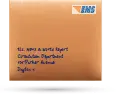
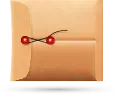
Your order is carefully packed and ships within 24 hours. Here's the typical package.
Sized like a regular personal letter (24x11x0.7 cm), with no indication of its contents.

| Delivery Method | Estimated delivery |
|---|---|
| Express Free for orders over A$434.70 | Estimated delivery to Australia: 4-7 days |
| Standard Free for orders over A$289.80 | Estimated delivery to Australia: 14-21 days |












Discount Coupons
- Australia Day - 26 January 2026 10% AUSDAY10
- Labour Day - 2 March 2026 6% LABOUR6
- ANZAC Day - 25 April 2026 8% ANZAC8
- King's Birthday - 8 June 2026 7% KING7
- Boxing Day - 26 December 2026 12% BOXING12
Brand Names
| Country | Brand Names |
|---|---|
 United Kingdom | Erythrocin |
 United States | Ery-Tab Erythrocin Stearate |
 Canada | Erythro-Base |
Description
Erythromycin Tablets: The Decision at a Glance
If you're comparing erythromycin with other macrolide antibiotics, the first thing worth weighing is how often you'll need to take it. Erythromycin's shorter half-life means it is commonly taken several times a day, while azithromycin is usually taken once daily and roxithromycin is commonly taken once or twice daily. That difference matters for anyone juggling a busy routine or wanting the simplest possible course. We stock erythromycin as 250 mg and 500 mg oral tablets in a range of pack sizes. Although this dosage form is classified as a prescription medicine in Australia, our checkout does not require you to upload a prescription before we accept your order. This ordering process does not replace professional advice about whether erythromycin is suitable for your infection.
What We Sell: Erythromycin's Identity and Role
Erythromycin is a macrolide antibiotic (ATC code J01FA01) that we supply as oral tablets in 250 mg and 500 mg strengths. It has been used in clinical practice for decades and remains a recognised option for susceptible bacterial infections, including in some people who cannot take penicillin-type antibiotics. It does not treat viral illnesses such as colds or influenza, and unnecessary antibiotic use can contribute to antimicrobial resistance.
- Respiratory tract infections caused by susceptible bacteria, including certain types of pneumonia
- Legionnaires' disease, for which a health professional may select an antibiotic with activity against Legionella
- Skin and soft tissue infections caused by susceptible bacteria
- Acne in selected cases, generally when other recommended antibiotic options are unsuitable
We offer the tablet form here, so these package options should not be confused with erythromycin suspensions, topical preparations or injectable presentations used in other settings. If you'd like to review other antibiotic options we carry, you can browse our Antibiotics range.
Who May Consider Erythromycin Tablets?
Erythromycin tends to come up in a health professional's discussion in fairly specific circumstances. The infection, likely organism, local resistance patterns, allergy history, other medicines and ability to follow the dosing schedule all affect whether it is a suitable choice.
- People who need treatment for a confirmed or strongly suspected infection caused by bacteria susceptible to erythromycin
- People with a confirmed penicillin allergy when a macrolide is an appropriate alternative for the infection
- Adults and children who have been given an age-appropriate and body-weight-appropriate regimen
- People being treated for acne who have been advised that an oral antibiotic is appropriate and that other preferred options are unsuitable
- Pregnant patients when erythromycin is clinically indicated; erythromycin is Australian Pregnancy Category A, although the exact product and individual circumstances should still be reviewed
- People who can comfortably swallow a solid tablet, since younger children or anyone with swallowing difficulties may need a more suitable formulation
Erythromycin should not be chosen solely because symptoms resemble a previous infection. Different infections can produce similar symptoms, and bacterial susceptibility cannot be determined from symptoms alone.
How Does Erythromycin Work?
Erythromycin binds to the 50S subunit of the bacterial ribosome and interferes with bacterial protein synthesis. Without the proteins needed for growth and multiplication, susceptible bacteria are held in check, allowing the immune system and antibiotic treatment to clear the infection. At usual concentrations erythromycin is mainly bacteriostatic, although its effect varies with the organism and drug concentration.

In practical terms, this mechanism gives erythromycin activity against a range of gram-positive bacteria and some atypical organisms, including Legionella and Mycoplasma. It will not work when the organism is inherently unaffected or has acquired macrolide resistance. This is why the likely cause of the infection and local treatment guidance matter when a health professional selects an antibiotic.
How Should You Take Erythromycin Tablets?
Erythromycin tablet regimens vary with the formulation, infection, age, body weight, kidney or liver function and clinical response. Adult regimens commonly use divided doses throughout the day, but the dose interval and course length must follow the directions supplied for the exact product and condition. Do not select a dose by comparing it with someone else's prescription or a previous course.
- Swallow the tablets with water and follow the directions on the dispensing label or product leaflet
- Check the exact food instructions for your tablets, because absorption and food recommendations can vary between erythromycin formulations
- Space doses as evenly as practical according to the prescribed schedule
- Complete the course as directed unless a health professional tells you to stop or you develop a reaction requiring urgent assessment
- If you miss a dose, take it when remembered unless it is nearly time for the next dose; do not take two doses together to make up for it
- Do not share leftover antibiotics or keep them for an unrelated future illness
For longer courses, including treatment for acne, review is important to check response, adverse effects and whether continued antibiotic treatment remains appropriate. Antibiotic acne treatment is usually combined with a suitable non-antibiotic topical regimen to reduce resistance risk, rather than used indefinitely on its own.
Strengths and Pack Sizes We Offer
Our options allow you to select the strength and quantity that match the regimen you have been advised to use. The two strengths are not automatically interchangeable: taking a different number of tablets may alter administration instructions and should only be done when a health professional or pharmacist confirms the equivalent regimen.
| Strength | Pack sizes available |
|---|---|
| 250 mg tablets | 90, 120, 180, 270, 360 tablets |
| 500 mg tablets | 60, 90, 120, 180, 270, 360 tablets |
Check both the strength and tablet quantity before completing checkout. A larger package may contain more tablets than one treatment course requires, so quantity should be based on the directions you have received rather than package value alone.
What to Expect: Outcomes and Timing
For many susceptible bacterial infections, symptoms may begin to improve within two to three days, but timing varies with the infection site, severity, organism and general health. Improvement does not necessarily mean every bacterium has been cleared, so continue for the directed course unless you are advised otherwise. Seek medical review if symptoms worsen, do not begin to improve within the expected period or return after treatment.
For acne, change is gradual and is generally assessed over several weeks rather than days. Oral erythromycin does not immediately clear existing lesions, and treatment should be reviewed rather than continued without reassessment. Urgent review is warranted if symptoms suggest a serious or spreading infection, such as breathing difficulty, confusion, severe weakness, persistent high fever or rapidly worsening redness and swelling.
Important Safety Priorities
Erythromycin has a well-established safety profile, but suitability depends on allergy history, heart rhythm risk, liver health and interacting medicines. Read the supplied medicine information and seek advice if anything in your history is relevant.
- Gastrointestinal effects such as nausea, vomiting, abdominal cramping and diarrhoea are the most commonly reported adverse effects
- Severe, persistent or bloody diarrhoea requires medical advice because antibiotic-associated colitis can occur during treatment or after the course has finished
- Rare but important reactions include cholestatic hepatitis, jaundice, severe skin reactions and serious allergic reactions
- Erythromycin can prolong the QT interval and increase the risk of an abnormal heart rhythm, particularly in people with known QT prolongation, significant electrolyte disturbances, slow heart rate or medicines that have the same effect
- Reversible hearing impairment has been reported, particularly with high doses or in people with significant kidney or liver impairment
- It must not be used by people with known hypersensitivity to erythromycin, other macrolides or an ingredient in the tablets
- Breastfeeding patients should seek advice because erythromycin passes into breast milk; gastrointestinal effects in the infant and rare reports of infantile hypertrophic pyloric stenosis should be considered
Stop taking the medicine and seek urgent help for swelling of the face or throat, breathing difficulty, fainting, a widespread blistering rash or other signs of a severe reaction. Contact a health professional promptly for yellowing of the skin or eyes, dark urine, severe abdominal pain, palpitations or new hearing changes.
Interactions and Practical Precautions
Erythromycin inhibits the liver enzyme CYP3A4 and can also affect drug transport pathways, so it may raise blood levels of several other medicines. Some combinations are contraindicated, while others require a temporary medicine change, dose adjustment or monitoring. Give a pharmacist or prescriber a complete list of prescription medicines, non-prescription products and supplements before starting it.
- Certain statins, particularly simvastatin and lovastatin, because increased concentrations can raise the risk of muscle injury and rhabdomyolysis
- Warfarin and related anticoagulants, because the blood-thinning effect may increase and clotting tests may need closer monitoring
- Medicines that prolong the QT interval, including certain antiarrhythmics, antipsychotics and other anti-infectives, because the combined rhythm risk may be unacceptable
- Digoxin and theophylline, whose concentrations or effects may increase in some patients
- Ergot alkaloids, where the combination is avoided because severe ergot toxicity can occur
- Carbamazepine, colchicine and certain benzodiazepines such as midazolam or triazolam, where clinically important increases in exposure can occur
People with liver disease, previous erythromycin-associated jaundice, myasthenia gravis, a history of significant rhythm disturbance or low potassium or magnesium should obtain individual advice. Depending on the situation, monitoring may include liver function, an electrocardiogram, electrolyte levels, anticoagulation tests or concentrations of an interacting medicine.
Erythromycin, Roxithromycin, Azithromycin and Clarithromycin
Erythromycin is not the only macrolide antibiotic available. Differences in dosing frequency, tissue distribution, gastrointestinal tolerability, interaction potential and activity against particular organisms can influence the choice. We do not currently stock the three macrolide alternatives compared below, but the distinctions provide useful context for a discussion with a health professional.
How does Erythromycin compare with Roxithromycin?
| Criterion | Erythromycin | Roxithromycin |
|---|---|---|
| Active ingredient | Erythromycin | Roxithromycin |
| Therapeutic class | Macrolide antibiotic | Macrolide antibiotic |
| Available strengths | 250 mg, 500 mg | 150 mg, 300 mg |
| Dosage form | Tablet | Tablet |
| Common uses | Respiratory tract, skin, and acne infections | Respiratory tract, ear, nose, throat, and skin infections |
| Practical difference | Usually taken multiple times daily | Typically taken once or twice daily with fewer drug interactions |
Roxithromycin is commonly dosed once or twice daily and may be easier for some people to fit into a routine than a more frequent erythromycin schedule. It remains a macrolide, so allergy, resistance and interaction considerations still need to be reviewed rather than assuming it is automatically suitable.
How does Erythromycin compare with Azithromycin?
| Criterion | Erythromycin | Azithromycin |
|---|---|---|
| Active ingredient | Erythromycin | Azithromycin |
| Therapeutic class | Macrolide antibiotic | Azalide (macrolide-subclass) antibiotic |
| Available strengths | 250 mg, 500 mg | 250 mg, 500 mg |
| Dosage form | Tablet | Tablet |
| Common uses | Respiratory infections, skin conditions, and acne | Respiratory, chest, skin, and genital bacterial infections |
| Practical difference | Requires dosing 2 to 4 times daily across standard courses | Features a long tissue half-life allowing once-daily dosing and shorter courses |
Azithromycin's long tissue half-life permits once-daily dosing and, for some indications, a shorter course than erythromycin. It generally has fewer CYP3A4 interactions, but it still has condition-specific uses and potential heart-rhythm effects. The two medicines are not interchangeable for every infection.
How does Erythromycin compare with Clarithromycin?
| Criterion | Erythromycin | Clarithromycin |
|---|---|---|
| Active ingredient | Erythromycin | Clarithromycin |
| Therapeutic class | Macrolide antibiotic | Macrolide antibiotic |
| Available strengths | 250 mg, 500 mg | 250 mg, 500 mg |
| Dosage form | Tablet | Tablet |
| Common uses | Chest infections, skin infections, and Legionnaires' disease | Upper and lower respiratory tract and skin infections |
| Practical difference | Short half-life requiring multiple daily doses | Extended half-life typically administered twice daily with enhanced acid stability |
Clarithromycin is often taken once or twice daily depending on the formulation and indication. It has a substantial CYP3A4 interaction profile and is used in some combination regimens, including treatment aimed at Helicobacter pylori. Erythromycin is not a routine substitute in those regimens.
If a health professional decides that a non-macrolide antibiotic is more appropriate, we also stock Doxycycline tablets. Doxycycline belongs to a different antibiotic class and has distinct indications, precautions and administration requirements.
Is a Prescription Required to Order Erythromycin in Australia?
Erythromycin is authorised as an active ingredient for human medicinal use in Australia, and oral erythromycin tablets are classified as prescription medicines. That regulatory classification is separate from our ordering process. Under our ordering policy, you do not need to submit a prescription before we accept an order for this product, so you can order through our checkout without uploading one.
Our policy does not make erythromycin a non-prescription medicine or replace diagnosis, susceptibility assessment and individual dosing advice. If you are unsure whether it is appropriate, consult a health professional before use. Our pharmacist-supported team is available 24/7 by email or online chat for medicine and ordering questions, but urgent or severe symptoms require appropriate medical care rather than online order support.
Ordering, Delivery and Receiving Your Erythromycin
Once you have chosen the advised strength and an appropriate pack size, our checkout is designed to be straightforward, with payment handled in Australian dollars. We pack orders discreetly and dispatch them promptly. Delivery across Australia is tracked so you can follow the order's progress, although the arrival time can vary with your location and the delivery option selected at checkout.
When your package arrives, check the product name, strength, tablet quantity, seal and expiry information before use. Contact our support team by email or online chat if the package is damaged, the supplied item does not match the order or you have a question about the delivery. Do not use tablets that appear damaged, discoloured or improperly sealed.
Store the tablets as directed, at room temperature between 20°C and 25°C in a tightly closed container protected from light and moisture. Keep them out of reach of children and do not use them after the stated expiry date.
Making Your Decision
Choosing erythromycin tablets comes down to several practical and clinical questions: is the suspected infection bacterial and susceptible to erythromycin, has a health professional recommended this antibiotic, can you follow the required dosing schedule and are your other medicines and health conditions compatible with it? For acne, the decision should also account for antimicrobial resistance and whether preferred alternatives are suitable.
We offer 250 mg tablets in quantities of 90, 120, 180, 270 and 360, and 500 mg tablets in quantities of 60, 90, 120, 180, 270 and 360. Select the exact strength and quantity that align with the regimen you have been advised to follow. If you are still weighing erythromycin against another macrolide or antibiotic class, our pharmacist-supported team is available around the clock to answer product and ordering questions before you place an order.

Product specifications
| Active ingredient | Erythromycin |
|---|---|
| Drug class | Macrolide antibiotic |
| Dosage form | Tablet |
| Available strengths | 250 mg, 500 mg |
| Route | Oral |
| Storage | Store at room temperature between 20°C and 25°C in a tightly closed container, protected from light and moisture. |
| ATC code | J01FA01 |
Regulatory information
More information
Reviews
No reviews or ratings yet. Share your experience and help other customers.


