


Erythromycin 250 mg and 500 mg Tablets

Dosages
Erythromycin 250 mg
| Quantity | Price per tablet | You save | Total price | |
|---|---|---|---|---|
| 90 | C$0.77 | - | C$68.87 | |
| 120 | C$0.71 | C$6.76 | C$85.07 | |
| 180 | C$0.65 | C$20.14 | C$117.60 | |
| 270 | C$0.63 | C$36.76 | C$169.85 | |
| 360 | C$0.61 | C$55.91 | C$219.57 |
Erythromycin 500 mg
| Quantity | Price per tablet | You save | Total price | |
|---|---|---|---|---|
| 60 | C$1.26 | - | C$75.35 | |
| 90 | C$1.13 | C$10.91 | C$102.11 | |
| 120 | C$1.07 | C$21.97 | C$128.73 | |
| 180 | C$1.02 | C$42.96 | C$183.09 | |
| 270 | C$0.97 | C$76.69 | C$262.38 | |
| 360 | C$0.95 | C$110.84 | C$341.25 |
Manufacturers
Payment & Shipping
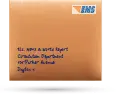
Your order is carefully packed and ships within 24 hours. Here's the typical package.
Sized like a regular personal letter (24x11x0.7 cm), with no indication of its contents.


| Shipping Method | Estimated delivery |
|---|---|
| Express Free for orders over C$422.51 | Estimated delivery to Canada: 4-7 days |
| Standard Free for orders over C$281.68 | Estimated delivery to Canada: 14-21 days |










Discount Coupons
- Victoria Day - May 18, 2026 8% VICTORIA8
- Canada Day - July 1, 2026 10% CANADADAY10
- Labour Day - September 7, 2026 6% LABOUR6
- Thanksgiving (Canada) - October 12, 2026 9% THANKS9
- Boxing Day - December 26, 2026 12% BOXING12
Brand Names
| Country | Brand Names |
|---|---|
 Canada | Erythro-Base |
 United States | Ery-Tab Erythrocin Stearate |
 United Kingdom | Erythrocin |
 France | Erythrocine |
 Germany | Eryhexal |
 Italy | Eritrocina |
FAQ
Description
Erythromycin tablets have been around far longer than most of today's antibiotics, and that history matters when you are comparing options. Unlike newer macrolides commonly chosen for once-daily convenience, erythromycin is typically dosed two to four times a day, depending on the formulation and indication. This is a real practical trade-off: erythromycin has a long, well-documented clinical track record, but it can ask more of your daily routine than a short azithromycin course would. If your priority is minimal dosing frequency, that difference alone may steer your decision. If your priority is an established antibiotic with decades of clinical use, flexible strengths, and a broad range of pack sizes, erythromycin tablets remain a practical option when they are appropriate for the infection.
What This Erythromycin Product Is, and Where It Fits
We sell erythromycin as an oral tablet, available in 250 mg and 500 mg strengths. This is the identity to keep in mind when comparing products: it is not a liquid suspension, a topical acne gel, or a capsule, even though erythromycin exists in other forms elsewhere. Erythromycin belongs to the macrolide antibiotic class (ATC code J01FA01) and has an established role in treating susceptible bacterial infections, including respiratory tract infections, certain skin and soft-tissue infections, pertussis, Legionnaires' disease, some sexually transmitted infections, and inflammatory acne when oral treatment is clinically appropriate. It may also be considered as an alternative for certain infections when a patient cannot take a penicillin-class antibiotic.
The word "susceptible" is important. Erythromycin does not cover every bacterial cause of these conditions, and resistance patterns differ by organism and location. A clinician may use the likely cause, local resistance information, or culture and susceptibility testing to decide whether erythromycin is a suitable choice.
Is Erythromycin the Right Antibiotic Choice for You?
Erythromycin tablets are prescribed for a specific, usually confirmed or strongly suspected bacterial infection, never for a cold, the flu, or another viral illness. A few practical factors tend to influence whether a prescriber reaches for erythromycin rather than another macrolide or antibiotic class:
- A documented penicillin allergy that rules out a preferred beta-lactam antibiotic for the particular infection.
- A diagnosis where erythromycin has a specific, well-studied role, such as pertussis exposure, Legionella infection, or certain chlamydial infections.
- A clinical situation where a tetracycline such as doxycycline is not selected because of the indication, pregnancy, age, or another individual factor.
- A preference, shared with your prescriber, for a long-established antibiotic with a well-characterized safety record over another suitable option.
- An inflammatory acne regimen where oral erythromycin is being used as part of a defined treatment plan and antibiotic resistance has been considered.
None of these factors replaces an actual clinical assessment. Erythromycin only makes sense once a prescriber has matched it to your specific infection, other medicines, allergy history, and relevant heart or liver risks.
How Erythromycin Works Against Bacteria
Erythromycin stops susceptible bacteria from growing by binding to the 50S subunit of the bacterial ribosome and blocking the translocation step of protein synthesis. Without the ability to keep building proteins, bacteria cannot multiply effectively. The effect is typically bacteriostatic at usual concentrations and may be bactericidal against some organisms at higher concentrations. This ribosomal target is shared across the macrolide class, which is why resistance mechanisms such as ribosomal methylation or efflux pumps can reduce the effectiveness of erythromycin and other macrolides at the same time.

The stages shown above support an important practical point: take erythromycin for the duration your prescriber specified and do not stop or extend the course on your own. If side effects make it difficult to continue, contact a pharmacist or prescriber rather than changing the regimen without advice.
Building a Practical Dosing Routine
Common adult regimens for susceptible infections use 250 mg every six hours or 500 mg every twelve hours, but the exact schedule depends on the erythromycin formulation, infection, severity, and individual patient factors. More severe infections may require a higher total daily dose under prescriber supervision. These examples describe general use and are not individual dosing instructions.
Food, Timing, and Missed Doses
- Food instructions can differ among erythromycin salts and tablet formulations. Follow the dispensing label or product leaflet for your tablets rather than assuming that every erythromycin tablet has the same food requirements.
- If your instructions permit taking the tablets with food, doing so may help reduce nausea or stomach upset.
- Space doses as evenly as practical through the day to maintain drug levels between doses. An alarm or written dose record can help with a two- to four-times-daily schedule.
- If you miss a dose, take it when you remember unless it is almost time for the next one. Do not take two doses together to make up for a missed dose.
- Finish the course your prescriber specified, even when symptoms improve, unless a clinician tells you to stop or change treatment.
If you vomit soon after taking a tablet, do not automatically repeat the dose because the amount already absorbed is uncertain. Ask a pharmacist or prescriber what to do. Children require weight-based dosing and a pediatric formulation or tablet strength appropriate to the prescribed amount; adult tablet schedules should not be applied to a child.
Strengths and Pack Sizes We Offer
We currently list erythromycin 250 mg tablets in quantities of 90, 120, 180, 270, and 360 tablets, and erythromycin 500 mg tablets in quantities of 60, 90, 120, 180, 270, and 360 tablets. Having both strengths available can help match the supplied quantity to the prescribed dose and duration without requiring one strength to cover every regimen. The number of tablets needed depends on both dosing frequency and course length, so strength alone does not determine the appropriate quantity.
A larger quantity should correspond to a legitimate prescribed treatment plan rather than open-ended stockpiling. Antibiotics should not be saved for a future undiagnosed illness, shared with another person, or reused simply because later symptoms seem similar.
How Soon Does Erythromycin Start Working, and How Long Should You Take It?
Many people taking erythromycin for a susceptible bacterial infection notice some improvement within 24 to 48 hours, although timing varies by infection type, severity, and response to treatment. A course for an acute bacterial infection often lasts about five to fourteen days, but some infections require a different duration. Oral antibiotic regimens for acne may be measured in weeks or months and should be reviewed periodically rather than continued indefinitely.
Symptoms can take longer to resolve than bacterial growth takes to slow, so early improvement is not a reason to stop treatment. Conversely, no improvement after the expected interval may indicate resistance, an incorrect diagnosis, a complication, or a need for another treatment. Contact the prescriber if symptoms worsen, do not begin to improve within the timeframe they gave you, or return after the course.
Safety Priorities Before You Start
Erythromycin has a long safety record, but several points deserve attention before starting treatment:
- Gastrointestinal upset, including nausea, cramping, and diarrhea, is the most common side effect and is partly dose-related.
- Erythromycin can prolong the QT interval, so it requires caution with other QT-prolonging medicines and in people with relevant rhythm disorders, slow heart rate, low potassium or magnesium, or other cardiac risk factors.
- Rare cholestatic liver injury has been reported, with risk varying among erythromycin salts. Unusual fatigue, persistent upper abdominal pain, jaundice, pale stools, or dark urine should be assessed promptly.
- Reversible hearing changes, dizziness, or vertigo can occur, mainly at higher doses or in people with reduced kidney or liver function. Anyone affected should avoid driving or operating machinery until the symptoms clear.
- Erythromycin is contraindicated in anyone with a known hypersensitivity to erythromycin or another macrolide antibiotic, including a relevant prior reaction to azithromycin or clarithromycin.
- Use during pregnancy or breastfeeding calls for an individual benefit-risk discussion. Erythromycin crosses the placenta and is excreted in human milk, and the specific formulation and clinical need should be reviewed.
Seek urgent medical help for trouble breathing, facial or throat swelling, a widespread blistering rash, fainting, or a fast or irregular heartbeat. Severe, persistent, or bloody diarrhea can occur during treatment or after an antibiotic course and requires medical assessment because it may indicate Clostridioides difficile-associated disease. Erythromycin can also worsen symptoms of myasthenia gravis in susceptible patients.
Which Medications and Habits Need a Second Look With Erythromycin?
Erythromycin is a notable inhibitor of the CYP3A4 enzyme, which means it can raise blood levels of several medicines metabolized through the same pathway. This is one of the more clinically significant features that distinguishes it from some other antibiotic options.
- Concurrent use with simvastatin or lovastatin is contraindicated because of the risk of serious muscle toxicity. A prescriber may temporarily pause the statin or choose another antibiotic or lipid-lowering medicine.
- Warfarin's anticoagulant effect can be enhanced, which may require closer monitoring of clotting status and signs of bleeding.
- Theophylline, carbamazepine, and ciclosporin levels can rise, increasing the risk of adverse effects from those medicines.
- Oral diabetes medicines such as sulfonylureas or repaglinide may have an enhanced glucose-lowering effect, so blood glucose monitoring is advisable during combined use.
- Ergot alkaloids must be avoided with erythromycin because markedly increased exposure can cause serious ergot toxicity.
Other medicines that prolong the QT interval can compound erythromycin's cardiac effects, while some enzyme-modifying medicines can change erythromycin exposure. Because the interaction list is extensive, tell your pharmacist or prescriber about every prescription medicine, over-the-counter product, and supplement you take before starting treatment. Alcohol does not have a unique direct interaction with erythromycin, but it may worsen nausea or dizziness and can complicate recovery from an infection.
Erythromycin, Azithromycin, and Clarithromycin Compared
Erythromycin shares its mechanism and part of its antibacterial spectrum with other macrolides, but differences in dosing frequency, tolerability, interactions, tissue distribution, and local resistance often determine which one a prescriber selects.
Erythromycin and Azithromycin Comparison
| Feature | Erythromycin | Azithromycin |
|---|---|---|
| Active ingredient | Erythromycin | Azithromycin |
| Medication class | Macrolide antibiotic | Macrolide (azalide) antibiotic |
| Dosage form | Tablet | Tablet |
| Available strengths | 250 mg, 500 mg | 250 mg, 500 mg, 600 mg |
| Common uses | Respiratory infections, skin infections, pneumonia, and acne | Respiratory infections, skin infections, and certain bacterial STIs |
| Dosing schedule | Requires frequent daily dosing across standard treatment courses | Extended tissue half-life allows once-daily dosing with shorter courses |
Azithromycin is frequently chosen for once-daily dosing and a shorter overall course, which can make it easier to complete without missed doses. It also tends to cause less gastrointestinal upset and has fewer CYP3A4-mediated interactions than erythromycin, although it still has relevant precautions, including QT-prolongation risk. The medicines are not automatically interchangeable because their approved and established uses, dosing schedules, and activity against particular organisms differ.
Erythromycin and Clarithromycin Comparison
| Feature | Erythromycin | Clarithromycin |
|---|---|---|
| Active ingredient | Erythromycin | Clarithromycin |
| Medication class | Macrolide antibiotic | Macrolide antibiotic |
| Dosage form | Tablet | Tablet |
| Available strengths | 250 mg, 500 mg | 250 mg, 500 mg |
| Common uses | Susceptible respiratory, skin, and legionella infections, and acne | Susceptible upper and lower respiratory tract and skin infections |
| Administration profile | Typically dosed multiple times daily | Often dosed twice daily with broad tissue penetration |
Clarithromycin sits closer to erythromycin in dosing frequency, commonly being taken twice daily, and it shares a strong potential for CYP3A4 interactions. Medication screening remains important for statins, anticoagulants, and other interacting medicines. Clarithromycin is also a standard component of some H. pylori eradication regimens when susceptibility and local guidance support it, a role erythromycin does not typically fill. A metallic or altered taste is a distinguishing side effect that some people notice with clarithromycin.
For some respiratory or skin indications, we also carry Doxycycline, a tetracycline-class antibiotic with once- or twice-daily dosing. Doxycycline has different pregnancy, pediatric, food, and sun-sensitivity considerations, so its suitability depends on the infection and the individual rather than convenience alone. Erythromycin may be considered when a tetracycline is not appropriate, but that choice still requires a clinical assessment.
What Does Prescription Status in Canada Mean for Ordering Erythromycin?
Erythromycin as an active ingredient is authorised for human medicinal use in Canada, and the oral tablet dosage form is classified as a prescription medicine. That classification describes how the medicine is regulated; it is separate from how we process an order. Our ordering policy does not require you to submit a prescription before we accept an order for erythromycin tablets, so you can order erythromycin without a prescription through our catalogue. Erythromycin still works as intended only when it matches the infection and patient, so clinician input remains the sensible way to confirm the diagnosis, regimen, and interaction risks. If you would rather compare options first, you can browse other treatments through our Antibiotics page.
Ordering, Delivery, and Receiving Your Erythromycin Tablets
We have operated as an online pharmacy catalogue since 2018. Our erythromycin listings let you choose the 250 mg or 500 mg strength and an available tablet quantity, with prices shown in Canadian dollars. If you are unsure which listed option corresponds to your treatment plan, our support team, with pharmacist support available, can assist 24/7 by email or online chat. Support can clarify product and ordering information, but it does not replace diagnosis or individualized prescribing.
Once an order is placed, we prepare and dispatch it, and we present delivery estimates at checkout so you have a practical expectation of when it should arrive. When you receive the order, check that the strength and quantity match the selection, that the packaging is intact, and that the expiry date is suitable for the intended course. Contact our support team before taking the tablets if the package appears damaged or the supplied product does not match the order.
Store the tablets between 20°C and 25°C in a tightly closed container, protected from light and moisture. Keep them out of reach of children and do not transfer them into an unlabelled container. Unused or expired tablets should be taken to a pharmacy or another appropriate medicine-return service rather than saved, shared, or flushed.
Are Erythromycin Tablets the Right Choice for You?
Choosing erythromycin tablets over another macrolide usually comes down to balancing a more frequent dosing routine against a long clinical track record, two available strengths, multiple package quantities, and the medicine's specific spectrum and interaction profile. The best choice depends on the likely organism, local resistance, your other medicines, allergies, pregnancy or breastfeeding status, and whether you can follow the required schedule.
If a prescriber has identified erythromycin as the right antibiotic for your infection, we offer 250 mg and 500 mg tablets in the listed quantities, with pharmacist-backed support available for questions about the product, interactions, storage, or your order.

Product specifications
| Active ingredient | Erythromycin |
|---|---|
| Drug class | Macrolide antibiotic |
| Dosage form | Tablet |
| Available strengths | 250 mg, 500 mg |
| Route | Oral |
| Storage | Store at room temperature between 20°C and 25°C in a tightly closed container, protected from light and moisture. |
| ATC code | J01FA01 |
Regulatory information
More information
Reviews
No reviews or ratings yet. Share your experience and help other customers.


