


Erythromycin 250 mg and 500 mg Tablets

Dosages
Erythromycin 250 mg
| Quantity | Price per tablet | You save | Total price | |
|---|---|---|---|---|
| 90 | $0.54 | - | $48.90 | |
| 120 | $0.50 | $4.80 | $60.40 | |
| 180 | $0.46 | $14.30 | $83.50 | |
| 270 | $0.45 | $26.10 | $120.60 | |
| 360 | $0.43 | $39.70 | $155.90 |
Erythromycin 500 mg
| Quantity | Price per tablet | You save | Total price | |
|---|---|---|---|---|
| 60 | $0.89 | - | $53.50 | |
| 90 | $0.81 | $7.75 | $72.50 | |
| 120 | $0.76 | $15.60 | $91.40 | |
| 180 | $0.72 | $30.50 | $130.00 | |
| 270 | $0.69 | $54.45 | $186.30 | |
| 360 | $0.67 | $78.70 | $242.30 |
Manufacturers
Payment & Shipping
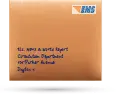
Your order is carefully packed and ships within 24 hours. Here's the typical package.
Sized like a regular personal letter (9.4x4.3x0.3 inches), with no indication of its contents.


| Shipping Method | Estimated delivery |
|---|---|
| Express Free for orders over $300.00 | Estimated delivery to the U.S.: 4-7 days |
| Standard Free for orders over $200.00 | Estimated delivery to the U.S.: 14-21 days |










Discount Coupons
- Independence Day - July 4, 2026 10% JULY410
- Labor Day - September 7, 2026 7% LABOR07
- Thanksgiving - November 26, 2026 9% THANKS09
Brand Names
| Country | Brand Names |
|---|---|
 United States | Ery-Tab Erythrocin Stearate |
 United Kingdom | Erythrocin |
 Canada | Erythro-Base |
FAQ
Description
Erythromycin tablets come in two strengths, 250 mg and 500 mg, and the practical choice between them usually comes down to the dosing schedule your condition calls for rather than price alone. When a prescribed dose can be supplied using either strength, the 500 mg tablet may reduce the number of pills needed, but the selected strength should match the clinician's directions. We offer 250 mg tablets in packages of 90, 120, 180, 270, and 360 pills, and 500 mg tablets in packages of 60, 90, 120, 180, 270, and 360 pills.
Oral erythromycin tablets are classified as prescription medicine in the United States, and that classification does not change based on which strength or package size you select. What does change is how easily you can place an order: our checkout does not require you to upload or fax a prescription before we process your purchase. Keeping those two facts separate matters because the medicine's prescription status is a regulatory fact about oral erythromycin tablets, while our ordering requirement is a fact about how we run our own store.
What Erythromycin Tablets Are and Where They Fit
Erythromycin belongs to the macrolide class of antibiotics, a family that also includes azithromycin and clarithromycin. We sell it as an oral tablet, taken by mouth, in 250 mg and 500 mg strengths. Erythromycin has long been used for susceptible respiratory tract infections, certain skin and soft-tissue infections, acne that has not responded adequately to topical treatment, and less common but important indications such as Legionnaires' disease. For some susceptible infections, it may also be considered when a penicillin-class antibiotic is unsuitable because of an allergy.
Because we sell only the oral tablet, it is worth being clear about what this product is not: it is not a topical acne gel, a capsule, or an intravenous formulation. If your clinician has specifically prescribed another erythromycin presentation, this tablet is not an automatic substitute, even though the active ingredient is the same.
Who Should Consider Erythromycin Tablets?
Erythromycin is typically considered when a clinician has identified or strongly suspects a bacterial infection that is known to respond to macrolide antibiotics, or when a first-choice option is not suitable. Reasonable circumstances in which a prescriber may consider erythromycin include when a person:
- Has a confirmed or suspected susceptible respiratory infection, including certain cases of community-acquired pneumonia.
- Has a documented penicillin allergy and needs an alternative antibiotic for a susceptible organism.
- Is being treated for inflammatory acne as part of a clinician-managed regimen that also addresses antibiotic resistance.
- Has been diagnosed with Legionnaires' disease or another macrolide-responsive infection.
Erythromycin is not the right choice for viral illnesses such as colds or flu, and it will not work against infections caused by organisms that are resistant to macrolides. A clinician's assessment, sometimes supported by culture and susceptibility testing, remains the deciding factor for any individual case.
How Erythromycin Works and What That Means in Practice
Erythromycin stops susceptible bacteria from multiplying by binding reversibly to the 50S subunit of the bacterial ribosome, which interferes with bacterial protein synthesis. Without the ability to produce the proteins they need to grow and divide, the bacterial population is suppressed, allowing the immune system to help clear the infection. At usual concentrations, this action is generally considered bacteriostatic, although its effect can vary with the organism and drug concentration. The medicine should be taken for the duration directed rather than stopped or extended without clinical advice.

In practical terms, this mechanism is why erythromycin does not work against viruses. Maintaining the clinician-selected dosing schedule helps sustain effective drug exposure, so doses should be taken at the prescribed intervals rather than clustered together.
How to Take Erythromycin and Build a Workable Routine
Oral erythromycin is commonly taken in divided doses, but the dose, interval, and duration depend on the infection, the specific tablet product, age, and other clinical factors. Follow the directions supplied with the tablets and the schedule selected by your clinician. Food instructions can vary among erythromycin products, so use the product-specific directions rather than assuming that every tablet should be taken the same way. Swallow the tablets as directed with water, and do not crush or chew them unless the product instructions or a pharmacist confirms that this is appropriate.
- Take each dose at the prescribed interval and use reminders if the schedule includes several doses per day.
- If a dose is missed, take it when remembered unless it is almost time for the next one; do not take two doses at once.
- Ask a pharmacist to review antacids, supplements, and other medicines if you are unsure whether they need to be separated from a dose.
- Complete the treatment as directed, even if symptoms improve sooner, unless a clinician tells you to stop or change it.
Strengths and Package Sizes We Offer
We currently offer erythromycin tablets in 250 mg and 500 mg strengths, counted and packaged by the pill. The 250 mg strength is available in packages of 90, 120, 180, 270, and 360 tablets, while the 500 mg strength is available in packages of 60, 90, 120, 180, 270, and 360 tablets. Choosing between strengths and package sizes means matching the prescribed dose, dosing frequency, and quantity rather than changing the regimen to fit a package. If a prescribed dose can be supplied with either strength, the 500 mg tablets may reduce the number of pills per dose, while the 250 mg strength may accommodate a regimen that specifically calls for smaller dose increments.
What to Expect and When
Many people notice some improvement in acute infection symptoms, such as reduced fever or less severe respiratory symptoms, within about two to three days of starting an effective antibiotic, although this varies by infection type and severity. For acne, visible improvement typically takes several weeks of consistent treatment rather than days because the response develops more gradually. If there is no improvement during the period indicated by the clinician, or if symptoms worsen, contact a clinician rather than simply continuing to wait or changing the dose.
What Are the Most Important Safety Considerations?
Erythromycin is generally well tolerated, but a few safety points deserve particular attention. Gastrointestinal upset, including nausea, abdominal cramping, vomiting, and diarrhea, is common and may be dose related. Less commonly, erythromycin has been associated with reversible hearing changes, particularly with high doses or in people with kidney or liver impairment, and with cholestatic hepatitis, which can present with jaundice, dark urine, pale stools, itching, or unusual fatigue. Erythromycin can also prolong the QT interval on an electrocardiogram, which is relevant for people with certain heart rhythm disorders, low potassium or magnesium, or use of other QT-prolonging medicines.
- Contact a clinician promptly for signs of liver problems such as yellowing skin or eyes, pale stools, dark urine, or severe itching.
- Seek medical advice for new palpitations, fainting, or severe dizziness, especially if other heart medicines are being taken.
- Erythromycin is contraindicated in anyone with known hypersensitivity to erythromycin or relevant product components.
- Use during pregnancy is generally reserved for situations where it is clearly needed following a clinician's benefit-risk assessment.
- Erythromycin passes into breast milk, and caution is advised because effects on a nursing infant must be considered.
Erythromycin has established pediatric use, but pediatric dosing is weight based and must follow age-appropriate dosing limits and formulation requirements. Exposure in early infancy has also been associated with infantile hypertrophic pyloric stenosis, so vomiting or unusual feeding difficulty in an exposed infant requires prompt medical assessment.
Interactions and Practical Precautions
Erythromycin inhibits CYP3A4 and can raise blood levels of medicines that rely on this enzyme for clearance. Concomitant use with simvastatin or lovastatin is contraindicated because of the risk of myopathy and rhabdomyolysis. Important interaction checks may also be needed for warfarin, theophylline, carbamazepine, colchicine, digoxin, certain calcium channel blockers, and ergot alkaloids. Erythromycin should not be combined with pimozide, and combining it with other medicines that prolong the QT interval can increase the risk of a dangerous heart rhythm. Anyone taking regular prescription medicines, over-the-counter products, or supplements should have the complete list reviewed by a pharmacist or physician before starting erythromycin.
- Mention all current prescription medicines, over-the-counter products, and supplements before starting erythromycin.
- Avoid combining erythromycin with other QT-prolonging drugs unless a clinician has reviewed and specifically directed the combination.
- Ask whether clinical monitoring or a dose adjustment is needed for medicines with a narrow therapeutic range.
Erythromycin Compared With Doxycycline, Azithromycin, and Clarithromycin
Erythromycin is one of several oral antibiotics considered for some overlapping types of infections, but the differences between them often drive a prescriber's choice. Compared with Doxycycline, a tetracycline-class antibiotic we also offer, erythromycin and doxycycline cover overlapping but not identical groups of bacteria. They also differ in dosing, food and mineral interactions, pregnancy considerations, and sun-sensitivity precautions.
Key Differences: Erythromycin vs. Doxycycline
| Feature | Erythromycin | Doxycycline |
|---|---|---|
| Active ingredient | Erythromycin | Doxycycline |
| Drug class | Macrolide antibiotic | Tetracycline antibiotic |
| Common uses | Acne, respiratory infections, and Legionnaires' disease | Acne, respiratory infections, and tick-borne illnesses |
| Dosage form | Tablet | Capsule or tablet |
| Available strengths | 250 mg, 500 mg | 50 mg, 100 mg |
Azithromycin is in the same macrolide family as erythromycin but is commonly dosed less frequently and has a longer half-life. Its interaction profile also differs, which is why a prescriber may favor it for convenience or suitability in certain infections.
Key Differences: Erythromycin vs. Azithromycin
| Feature | Erythromycin | Azithromycin |
|---|---|---|
| Active ingredient | Erythromycin | Azithromycin |
| Drug class | Macrolide antibiotic | Macrolide (azalide) antibiotic |
| Common uses | Respiratory infections, Legionnaires' disease, and acne | Respiratory, ear, and skin infections |
| Dosage form | Tablet | Tablet |
| Available strengths | 250 mg, 500 mg | 250 mg, 500 mg, 600 mg |
Clarithromycin is also a macrolide and shares some of erythromycin's antibacterial spectrum, but the two differ in typical dosing, gastrointestinal tolerability, and specific drug interactions. Those differences can affect the choice when a person takes other medicines or has particular risk factors.
Key Differences: Erythromycin vs. Clarithromycin
| Feature | Erythromycin | Clarithromycin |
|---|---|---|
| Active ingredient | Erythromycin | Clarithromycin |
| Drug class | Macrolide antibiotic | Macrolide antibiotic |
| Common uses | Susceptible respiratory tract, skin, and legionella infections | Susceptible respiratory tract and mycobacterial infections |
| Dosage form | Tablet | Tablet |
| Available strengths | 250 mg, 500 mg | 250 mg, 500 mg |
We offer Doxycycline, but we do not currently offer Azithromycin or Clarithromycin. None is an automatic substitute for erythromycin, and a clinician should choose among them based on the specific infection, susceptibility or local resistance patterns, contraindications, and the person's medical history. You can also browse our broader Antibiotics selection.
Do You Need a Prescription to Order Erythromycin Tablets in the US?
Erythromycin is authorized for human medicinal use in the United States, and oral erythromycin tablets are classified as prescription medicine. That regulatory status is separate from how we run our ordering process: you do not need to submit a prescription for us to accept and process your order for erythromycin tablets. One is the national classification of the dosage form, while the other is our checkout requirement.
If you have specific concerns about dosing for your situation, our pharmacist is available through chat or email to answer general product questions. Individual treatment decisions, including whether erythromycin is the right antibiotic for an infection, should come from a prescribing clinician who can assess the diagnosis and relevant medical history.
Ordering, Delivery, and Receiving Your Erythromycin Order
We have operated our online pharmacy catalog since 2018, and our support team, including a pharmacist, is reachable 24/7 through email or online chat for questions about our products, packaging, or order status. All prices on our site are listed in US dollars, and you can select the strength and package size that matches your prescribed quantity directly from our product listing. Once an order is placed, we pack it discreetly and provide order tracking so you can follow its progress to your address.
We treat any delivery estimate shown at checkout as an estimate rather than a guarantee because actual transit time can vary by destination and carrier conditions. If a package is delayed or an issue arises after dispatch, our support team is available to help track it and work toward a resolution.
Making Your Decision
Choosing erythromycin tablets from our catalog comes down to a few practical questions: does the selected regimen call for the 250 mg or 500 mg strength, what total quantity has been directed, and does one of the package sizes we offer match that quantity? Erythromycin has an established role against susceptible respiratory, skin, and other bacterial infections, but its interaction profile, QT-prolongation risk, and formulation-specific administration instructions make a clinical and medication review important. Once the treatment decision has been made, our role is straightforward: offer the available strength and package size, process your order without requiring a prescription upload, and get it packed and on its way with support available if you need it.

Product specifications
| Active ingredient | Erythromycin |
|---|---|
| Drug class | Macrolide antibiotic |
| Dosage form | Tablet |
| Available strengths | 250 mg, 500 mg |
| Route | Oral |
| Storage | Store at room temperature between 68°F and 77°F in a tightly closed container, protected from light and moisture. |
| ATC code | J01FA01 |
Regulatory information
More information
Reviews
No reviews or ratings yet. Share your experience and help other customers.


