


Erythromycin Tablets (250 mg & 500 mg)

Dosages
Erythromycin 250 mg
| Quantity | Price per tablet | You save | Total price | |
|---|---|---|---|---|
| 90 | £0.40 | - | £36.44 | |
| 120 | £0.38 | £3.58 | £45.01 | |
| 180 | £0.35 | £10.66 | £62.22 | |
| 270 | £0.33 | £19.45 | £89.87 | |
| 360 | £0.32 | £29.58 | £116.17 |
Erythromycin 500 mg
| Quantity | Price per tablet | You save | Total price | |
|---|---|---|---|---|
| 60 | £0.66 | - | £39.87 | |
| 90 | £0.60 | £5.78 | £54.03 | |
| 120 | £0.57 | £11.62 | £68.11 | |
| 180 | £0.54 | £22.73 | £96.87 | |
| 270 | £0.51 | £40.58 | £138.83 | |
| 360 | £0.50 | £58.65 | £180.56 |
Manufacturers
Payment & Delivery
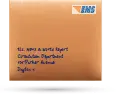
Your order is carefully packed and ships within 24 hours. Here's the typical package.
Sized like a regular personal letter (24x11x0.7 cm), with no indication of its contents.


| Delivery Method | Estimated delivery |
|---|---|
| Express Free for orders over £223.56 | Estimated delivery to the UK: 4-7 days |
| Standard Free for orders over £149.04 | Estimated delivery to the UK: 14-21 days |











Discount Coupons
- New Year's Day - 1 January 2026 9% NEWYEAR9
- Valentine's Day - 14 February 2026 6% VALENTINE6
- St David's Day - 1 March 2026 4% DAVID4
- St Patrick's Day - 17 March 2026 5% PATRICK5
- St George's Day - 23 April 2026 4% GEORGE4
- May Day - 1 May 2026 5% MAYDAY5
- Halloween - 31 October 2026 6% HALLOWEEN6
- Guy Fawkes Night - 5 November 2026 5% GUY5
- Christmas Eve - 24 December 2026 9% XMASEVE9
- Christmas Day - 25 December 2026 10% XMAS10
- Boxing Day - 26 December 2026 10% BOXING10
- New Year's Eve - 31 December 2026 8% NYE8
Brand Names
| Country | Brand Names |
|---|---|
 United Kingdom | Erythrocin |
 Canada | Erythro-Base |
 United States | Ery-Tab Erythrocin Stearate |
FAQ
Description
If you are weighing up erythromycin against another macrolide, the practical distinction that matters most is this: erythromycin tablets are classified as a prescription-only medicine in the United Kingdom, yet we do not require you to submit a prescription to place an order with us. This distinction shapes our ordering process, but it does not remove the need to confirm that the antibiotic, dose, and course are clinically appropriate before treatment begins.
Erythromycin Tablets: What Sets This Antibiotic Apart
We supply erythromycin as oral tablets in two strengths, 250 mg and 500 mg, sold by the pill in quantities ranging from 60 up to 360 depending on the strength you select. Erythromycin belongs to the macrolide class of antibiotics, a group that also includes azithromycin and clarithromycin, and it has been used in clinical practice for decades for respiratory tract infections, skin infections such as acne, and certain less common infections including Legionnaires' disease. Its long track record means prescribers and pharmacists are very familiar with its benefits and its limitations, which makes it a predictable choice rather than a novel one.
What Erythromycin Tablets Are and Why We Stock Them
Erythromycin works against a range of Gram-positive bacteria and some Gram-negative organisms, and it is frequently chosen when a patient cannot take a penicillin because of allergy. We stock the tablet form because oral dosing is a practical route for many community-treated infections, avoiding the need for injections while still achieving therapeutic blood levels when taken correctly. Keeping both 250 mg and 500 mg strengths in our catalogue allows customers to select the strength specified by their clinician rather than trying to adapt a single fixed strength to every course.
Who May Consider Erythromycin Tablets?
Erythromycin is most often considered when a bacterial infection has been identified or strongly suspected and the organism is known or likely to be susceptible to a macrolide. It is also a standard option for people with a genuine penicillin allergy who need an alternative class of antibiotic. Before starting a course, it helps to think through the following:
- Whether the infection being treated, such as a chest infection, skin infection, or acne, is one that responds well to macrolide antibiotics.
- Whether you have a known allergy to erythromycin or another macrolide, which would rule this medicine out.
- Whether you are pregnant or breastfeeding, since erythromycin is used in these situations only when clearly needed and with appropriate monitoring.
- Whether you are already taking medicines that interact with erythromycin, such as certain statins, warfarin, or theophylline.
- Whether a tablet is a suitable dosage form for the person who will take it, since young children who cannot swallow tablets may need a different formulation.
How Does Erythromycin Fight Bacterial Infection?
Erythromycin stops susceptible bacteria from multiplying by binding to the 50S subunit of the bacterial ribosome and blocking the translocation step of protein synthesis. Without the ability to build new proteins, bacteria cannot grow or repair themselves effectively, which gives the immune system the opportunity to clear the infection. At usual doses this action is mainly bacteriostatic, meaning it holds the bacterial population in check rather than killing every organism outright, though higher concentrations against particularly susceptible bacteria can be bactericidal.

This mechanism also explains why erythromycin is not effective against viral infections such as colds or flu. Take it for the duration prescribed and do not stop early simply because symptoms improve, unless a clinician advises you to stop because of side effects or another concern.
Building a Practical Erythromycin Routine
Adult dosing varies with the infection, its severity, and the specific formulation. A usual total adult dose is 1 to 2 g daily in divided doses, while severe infections may require up to 4 g daily under clinical direction. The exact dose, interval, and course length must follow the instructions supplied for the individual treatment. A practical routine usually looks like this:
- Take each dose with water at evenly spaced intervals, following the schedule on your label or treatment instructions.
- Follow the food instructions supplied with the tablets, because administration in relation to meals can depend on the particular erythromycin formulation. If stomach upset is troublesome, ask a pharmacist or prescriber what is appropriate for your tablets.
- Continue for the prescribed course unless a clinician tells you to stop, rather than ending treatment as soon as symptoms ease.
- Store tablets at room temperature between 20°C and 25°C in a tightly closed container, away from light and moisture, so the medicine remains stable until the course is finished.
- If you miss a dose, take it when you remember unless it is nearly time for the next dose. Do not take two doses together to make up for one you missed.
Strengths and Pack Sizes We Offer
We list erythromycin tablets in 250 mg and 500 mg strengths, with the 250 mg option available in packs of 90, 120, 180, 270, or 360 tablets, and the 500 mg option available in packs of 60, 90, 120, 180, 270, or 360 tablets. Two 250 mg tablets contain the same total amount of erythromycin as one 500 mg tablet, but you should not substitute one arrangement for the other unless your treatment instructions allow it, because the prescribed strength, tablet count, and schedule still matter. Choose a pack size that matches the prescribed quantity rather than estimating a course or keeping surplus antibiotic for future use. Longer treatment, including oral antibiotic treatment for acne, should be reviewed periodically to confirm that it remains appropriate.
How Soon Does Erythromycin Start Working?
Erythromycin begins acting on susceptible bacteria from the first dose, but noticeable symptom improvement for infections such as a chest infection or skin infection typically appears within 48 to 72 hours. Acne treated with erythromycin follows a much slower timeline, often taking several weeks of consistent use before visible improvement, and courses for acne are generally longer than those used for an acute infection. Oral antibiotics for acne are normally used as part of a planned regimen and reviewed rather than continued indefinitely. If symptoms have not improved within a few days of starting treatment for an acute infection, seek medical review rather than continuing to wait, since this may indicate resistance, an unsuitable antibiotic, or a different underlying cause.
Safety Priorities Before You Take Erythromycin
Gastrointestinal upset, including nausea, vomiting, abdominal cramping, and diarrhoea, is the most common group of side effects reported with erythromycin. Less commonly, erythromycin has been associated with:
- Reversible hearing changes at high doses, particularly in people with reduced kidney or liver function.
- Changes to heart rhythm, including QT interval prolongation, which is why it must be avoided with certain medicines that have the same effect.
- Liver effects, including a cholestatic type of liver inflammation that can develop during or shortly after a course.
- Allergic reactions ranging from mild skin rash to more serious hypersensitivity in people sensitised to macrolides.
Erythromycin has no routine adult-, diabetes-, or driving-specific restriction and is not normally sedating. Use in pregnancy and breastfeeding calls for a more cautious approach: it crosses the placenta and is used in pregnancy only when clearly needed, and breastfed infants exposed to erythromycin should be watched for gastrointestinal upset, oral thrush, or rash. Advice should also be sought promptly if a young infant develops persistent vomiting or feeding difficulty. Dosing in children must be adjusted carefully for age and weight, and a tablet may not suit a child who cannot yet swallow one reliably.
Interactions and Precautions to Plan Around
Erythromycin inhibits an enzyme pathway that several other medicines rely on for normal clearance, so combining it with certain drugs can raise their blood levels and risk of side effects. Some combinations are contraindicated, while others require a temporary treatment change, dose adjustment, or additional monitoring. Before starting erythromycin, check whether you take any of the following:
- Simvastatin, which is contraindicated with erythromycin because of the risk of muscle injury and serious muscle breakdown. Other statins may also require review or temporary interruption.
- Warfarin or other anticoagulants, since erythromycin can increase their effect and the risk of bleeding, making closer monitoring necessary.
- Theophylline, carbamazepine, or ciclosporin, where erythromycin can raise blood levels and may require monitoring or adjustment.
- Ergotamine, dihydroergotamine, or related migraine medicines, which must not be combined with erythromycin because of the risk of severe vasoconstriction.
- Other medicines known to prolong the QT interval, because combining them with erythromycin can increase the risk of a serious heart rhythm disturbance.
Anyone taking regular medication should have it reviewed before starting erythromycin so an interaction can be identified and managed in good time rather than discovered after symptoms appear.
Erythromycin or Roxithromycin: Which Macrolide Fits Your Situation?
Erythromycin and roxithromycin both belong to the macrolide family and share a similar mechanism, but they differ in dosing frequency, tolerability, and how they fit into a daily routine. The table below sets out the practical distinctions that tend to matter most when choosing between them.
Erythromycin and Roxithromycin: Key Differences
| Feature | Erythromycin | Roxithromycin |
|---|---|---|
| Active ingredient | Erythromycin | Roxithromycin |
| Antibiotic class | Macrolide | Semi-synthetic macrolide |
| Dosage form | Tablet | Tablet |
| Available strengths | 250 mg, 500 mg | 150 mg, 300 mg |
| Common indications | Respiratory infections, acne, skin infections | Respiratory tract, ear, nose, and throat infections |
| Typical daily regimen | Usually 2 to 4 doses daily | Usually 1 or 2 doses daily |
Roxithromycin is not part of our current range, but understanding the comparison helps explain why erythromycin's dosing schedule and gastrointestinal tolerability are worth factoring into your decision rather than assuming all macrolides behave identically. If gastrointestinal side effects or a different antibiotic class altogether is a concern, Doxycycline is a tetracycline-class alternative we also supply. It may be considered for some respiratory and skin infections, but it has a different safety and interaction profile and is not an automatic substitute for erythromycin.
Do We Need a Prescription to Order Erythromycin in the UK?
Erythromycin as an active ingredient is authorised for human use in the United Kingdom, and the tablet form we sell is classified as a prescription-only medicine under UK regulation. That regulatory classification is separate from our own ordering process: we do not require you to upload or send us a prescription to accept your order, so you can order erythromycin tablets from us without submitting a prescription at checkout. This ordering policy does not change the medicine's prescription-only status or establish that erythromycin is suitable for a particular infection, dose, or patient.
Ordering, Delivery, and Receiving Your Erythromycin
We have operated our catalogue since 2018, and our team, including a pharmacist, is available 24/7 through email and online chat to answer questions about dosing information, pack sizes, or your order before or after you place it. Prices on our site are shown in pounds sterling, and once an order is placed we pack it discreetly and dispatch it for delivery to your UK address. Delivery timeframes are estimates rather than guarantees, and we recommend ordering with enough lead time before your course is due to start, particularly if you are choosing a larger pack size such as 270 or 360 tablets for an extended course. If a package appears delayed or you have any concern once it arrives, our support team is reachable at any hour to help resolve it.
Making Your Decision
Erythromycin tablets remain a well-established choice when a macrolide antibiotic is appropriate, particularly for people who cannot take penicillin. We offer 250 mg and 500 mg strengths in quantities from 60 to 360 tablets, but the appropriate strength, quantity, and treatment duration depend on the infection, your medical history, and any interacting medicines you take. Confirm suitability with a qualified clinician before treatment begins, then choose the strength and quantity matching those instructions and allow realistic time for delivery.

Product specifications
| Active ingredient | Erythromycin |
|---|---|
| Drug class | Macrolide antibiotic |
| Dosage form | Tablet |
| Available strengths | 250 mg, 500 mg |
| Route | Oral |
| Storage | Store at room temperature between 20°C and 25°C in a tightly closed container, protected from light and moisture. |
| ATC code | J01FA01 |
Regulatory information
More information
Reviews
No reviews or ratings yet. Share your experience and help other customers.


