


Naltrexone 50 mg Tablets

Dosages
Naltrexone 50 mg
| Quantity | Price per tablet | You save | Total price | |
|---|---|---|---|---|
| 30 | A$10.35 | - | A$310.58 | |
| 60 | A$9.82 | A$32.13 | A$589.02 | |
| 90 | A$9.61 | A$67.28 | A$864.46 |
Manufacturers
Payment & Delivery
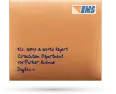
Your order is carefully packed and ships within 24 hours. Here's the typical package.
Sized like a regular personal letter (24x11x0.7 cm), with no indication of its contents.


| Delivery Method | Estimated delivery |
|---|---|
| Express Free for orders over A$430.36 | Estimated delivery to Australia: 4-7 days |
| Standard Free for orders over A$286.91 | Estimated delivery to Australia: 14-21 days |












Discount Coupons
- Australia Day - 26 January 2026 10% AUSDAY10
- Labour Day - 2 March 2026 6% LABOUR6
- ANZAC Day - 25 April 2026 8% ANZAC8
- King's Birthday - 8 June 2026 7% KING7
- Boxing Day - 26 December 2026 12% BOXING12
Brand Names
| Country | Brand Names |
|---|---|
 Australia Australia | Revia |
 United Kingdom United Kingdom | Adepend |
Description
The single biggest thing that separates Naltrexone from most other alcohol and opioid dependence options is what it actually does in the body: it blocks opioid receptors rather than creating an aversive response to alcohol or treating withdrawal symptoms. That matters in practice because taking our Naltrexone 50 mg tablets does not produce the disulfiram-like reaction associated with drinking alcohol, although alcohol can still cause intoxication, impaired coordination and other harm. The tablets also do nothing to ease opioid withdrawal on their own. Anyone comparing this tablet with disulfiram-style deterrents, injectable formulations or other oral therapies needs to weigh that mechanism first, because it changes who the tablets suit, how treatment begins and what a realistic daily routine looks like.
Why Naltrexone's Blocking Action Changes the Decision
Naltrexone is an opioid antagonist. It occupies opioid receptors in the brain without activating them, which blocks or blunts effects produced by opioid medicines and illicit opioids. Alcohol does not act in exactly the same way as an opioid, but endogenous opioid signalling contributes to its rewarding effects; blocking that pathway can reduce alcohol-related reinforcement and craving. For someone who has completed opioid withdrawal, receptor blockade can support abstinence by reducing the expected effects of subsequent opioid use. It must not be treated as permission to test the blockade, because attempts to overcome it with high opioid doses can cause fatal overdose.
This is a fundamentally different approach from a deterrent medicine. Naltrexone is used as one part of a comprehensive treatment program that may also include counselling, behavioural support and regular clinical review. It does not remove every urge, prevent intoxication or replace support for the underlying dependence.
What Our Naltrexone 50 mg Tablets Are
We offer Naltrexone as an oral tablet in a single strength, 50 mg, with pack options of 30, 60 or 90 tablets. This is the standard oral presentation used for daily dosing; it is not the same product as an extended-release injectable formulation, and our catalogue entry refers specifically to the oral tablet. The active ingredient, naltrexone, belongs to the opioid antagonist drug class and is taken by mouth as part of a broader treatment program for alcohol dependence or as maintenance therapy after opioid withdrawal.
The same active ingredient serves both roles, but the starting conditions differ. Alcohol-dependence treatment is planned around the person's drinking goals and clinical condition. Opioid-dependence treatment can begin only after opioids have been cleared and withdrawal has been completed, because taking naltrexone too soon can precipitate severe withdrawal.
Is Naltrexone the Right Option for You?
Naltrexone is generally considered by adults seeking pharmacological support for alcohol dependence or by adults who have completed opioid withdrawal and want relapse-prevention support. Whether it is appropriate depends on current opioid exposure, liver health, other medicines and the person's ability to follow a regular treatment plan. Typical candidates and considerations include:
- Adults seeking to reduce alcohol cravings or lower relapse risk as part of a structured recovery program, often alongside counselling.
- Adults who have completed opioid detoxification and have remained opioid-free for the interval specified by their prescriber.
- People whose liver function has been assessed, since naltrexone is processed by the liver and may be unsuitable in acute hepatitis or liver failure.
- People who are not pregnant or breastfeeding without first discussing treatment with a prescriber, since Australian product information places naltrexone in Pregnancy Category B3 and notes that it and its active metabolite pass into breast milk.
It is not suitable for someone currently using opioid pain medicines, opioid-containing cough medicines, methadone, buprenorphine or illicit opioids. If you are weighing this against other approaches to alcohol dependence, our Alcoholism section provides a useful route to related options.
How Naltrexone Works in the Brain
Opioid receptors sit on nerve cells involved in pain, reward and reinforcement. Opioid drugs activate these receptors directly, while endogenous opioid signalling is one component of alcohol's reward pathway. Naltrexone binds tightly to opioid receptors without switching on the usual opioid signal, effectively occupying the sites that opioids would otherwise activate. In alcohol dependence, reduced opioid-mediated reinforcement may help weaken the cycle of reward, craving and repeated drinking. The diagram below sets out that pathway step by step.

Because this blocking effect is receptor-based rather than an inhibition of alcohol metabolism, naltrexone does not cause the characteristic flushing, nausea and palpitations produced when alcohol is consumed with disulfiram. Naltrexone can still cause nausea and other adverse effects in its own right, and it does not protect against alcohol-related impairment or toxicity. This distinction is one reason some people find naltrexone-based treatment more manageable than an aversive approach.
Building a Daily Naltrexone Routine
Oral naltrexone is usually taken once daily, with or without food, at a dose set by the prescriber; 50 mg once daily is a common maintenance regimen for the tablet strength we supply. A clinician may use a lower initial dose to assess tolerability or confirm that treatment does not precipitate opioid withdrawal. A workable routine generally looks like this:
- Begin only after a prescriber has confirmed that the required opioid-free interval has passed. At least 7 to 10 days is commonly required after short-acting opioids, while a longer interval may be needed after methadone or buprenorphine.
- Take the tablet at a consistent time each day so it becomes part of an existing habit, such as with breakfast.
- Take the tablet exactly as directed. Do not split, crush or otherwise alter it unless the product instructions or your prescriber specifically permit this.
- Continue treatment according to the agreed plan rather than changing the dose around a drinking occasion or anticipated opioid exposure.
- Keep follow-up appointments so response, adverse effects, opioid abstinence and liver function can be reviewed.
If a dose is missed, take it when remembered unless it is nearly time for the next dose. In that case, skip the missed dose and resume the usual schedule; do not take a double dose. Food is not required for absorption, although taking the tablet with food may help if nausea occurs.
Pack Sizes and Strength We Offer
We keep the range simple: one strength, 50 mg, across three pack sizes, so you can match supply to the expected treatment period and planned clinical reviews.
| Pack size | Typically suited to |
|---|---|
| 30 tablets | A first month of daily treatment or a short review period before continuing |
| 60 tablets | Two months of once-daily dosing, reducing how often you need to reorder |
| 90 tablets | Longer-term maintenance once a stable routine and dose are established |
All three pack sizes contain the same 50 mg oral tablet; only the tablet count changes. Moving between pack sizes does not alter the strength or route of administration, and the appropriate treatment duration should still be reviewed with a prescriber.
How Soon Does Naltrexone Start Working?
Naltrexone begins occupying opioid receptors within hours of a dose, but receptor blockade and a noticeable treatment benefit are not the same thing. Some people notice a change in craving or drinking behaviour during the first days or weeks, while others need a longer period of consistent use and behavioural support before benefit can be judged. Response is usually assessed over several weeks rather than from a single dose.
For opioid dependence maintenance, the blocking action is present early in treatment, which is precisely why opioids must be cleared before the first dose. Naltrexone does not eliminate relapse risk, and its effect should never be tested by taking an opioid. Treatment duration varies according to response, relapse risk, tolerability and the broader recovery plan rather than being determined by pack size alone.
Safety Priorities Before You Start
Before starting naltrexone, several safety points deserve attention regardless of which pack size is chosen:
- Current opioid use: Naltrexone is contraindicated in people currently using or dependent on opioids and in those experiencing acute opioid withdrawal. A prescriber may use history, testing or a naloxone challenge where clinically appropriate before treatment begins.
- Overdose risk: Trying to overcome the blockade with large opioid doses is dangerous. Opioid tolerance is also reduced after detoxification and may remain lower after naltrexone is stopped, increasing overdose risk if opioid use resumes.
- Liver function: Naltrexone is processed by the liver and is contraindicated in acute hepatitis or liver failure. Baseline and follow-up liver assessment may be needed, particularly when symptoms or other risk factors are present.
- Pregnancy and breastfeeding: Use in pregnancy is assessed individually under Pregnancy Category B3. A case-by-case decision is needed about breastfeeding or continuing naltrexone because the medicine and its active metabolite pass into breast milk.
- Driving and machinery: Dizziness or drowsiness can occur, especially early in treatment, so caution is warranted until you know how you respond.
- Known hypersensitivity: A previous allergic reaction to naltrexone or an ingredient of the tablet rules out further use.
Common adverse effects can include nausea, abdominal discomfort, headache, dizziness, tiredness, nervousness and sleep disturbance. Seek prompt medical advice for persistent vomiting, severe abdominal pain, dark urine, pale stools, yellowing of the skin or eyes, or other signs that could indicate liver injury. Safety and efficacy in people under 18 have not been established, so oral naltrexone is intended for adult use.
What Interactions and Precautions Matter Most?
Because naltrexone blocks opioid receptors, its most important interactions are with opioid-containing medicines, including some prescription pain relief, anaesthetic and cough preparations. Their effects may be reduced, while starting naltrexone when an opioid is still present can provoke abrupt withdrawal. Practical precautions include:
- Telling every treating doctor, dentist and pharmacist that you are taking naltrexone before pain relief, surgery or a cough medicine is considered.
- Carrying a treatment card or other identification in case emergency pain relief is required and you cannot explain your medication history.
- Reviewing medicines that can affect the liver with your prescriber, because combined hepatic risk may require closer monitoring.
- Not using naltrexone as a reason to drink more, since it does not prevent impaired judgement, poor coordination, alcohol poisoning or other physical effects of alcohol.
- Seeking professional help rather than stopping naltrexone and self-treating pain with opioids, as sensitivity to opioids can change and overdose may occur.
Emergency pain management may require non-opioid options or specialist monitoring. If opioids are unavoidable, the treating team needs to know about naltrexone because attempts to override receptor blockade can produce unusually high opioid exposure and delayed respiratory depression as the blockade wanes.
Naltrexone, Disulfiram, Vivitrol and Acamprosate: Practical Differences
Several medicines may be considered alongside naltrexone, and the most useful comparison depends on whether the priority is mechanism, formulation, dosing frequency, liver or kidney health, or the conditions being treated. The tables below set out three relevant distinctions.
Naltrexone vs Disulfiram Comparison
| Feature | Naltrexone | Disulfiram |
|---|---|---|
| Active ingredient | Naltrexone hydrochloride | Disulfiram |
| Therapeutic class | Opioid receptor antagonist | Aldehyde dehydrogenase inhibitor |
| Available strengths | 50 mg | 200 mg, 500 mg |
| Dosage form | Tablet | Tablet |
| Primary action | Blocks opioid receptors to reduce cravings and alcohol reward | Inhibits alcohol breakdown, causing unpleasant physical reactions if alcohol is consumed |
| Treatment role | Reduces heavy drinking and supports abstinence | Enforces strict abstinence through deterrent effects |
Disulfiram, sold in our catalogue as Antabuse, works on a completely different principle: it blocks an enzyme involved in alcohol metabolism so that drinking causes an unpleasant and potentially serious physical reaction. That aversive effect can be a strong deterrent for some people, but disulfiram addresses alcohol rather than opioid dependence and requires strict avoidance of alcohol, including hidden sources. Naltrexone instead reduces opioid-mediated reward without creating that intentional alcohol reaction, which some people find easier to incorporate into ongoing treatment.
Naltrexone vs Vivitrol Comparison
| Feature | Naltrexone | Vivitrol |
|---|---|---|
| Active ingredient | Naltrexone | Naltrexone |
| Dosage form | Tablet | Extended-release suspension for injection |
| Administration route | Oral | Intramuscular injection |
| Available strengths | 50 mg | 380 mg |
| Dosing schedule | Once daily | Once every 4 weeks |
| Practical distinction | Self-administered daily tablet | Administered monthly by a healthcare professional |
Vivitrol uses the same active ingredient, naltrexone, but as a monthly extended-release injection rather than a daily tablet. We do not supply Vivitrol, but understanding the formulation difference is useful: an injection removes the need to remember a tablet each day, while oral tablets avoid an injection and allow the prescriber to reassess or change treatment without waiting for a monthly injection cycle to end. Availability, administration requirements and suitability differ between the two formulations.
Naltrexone vs Acamprosate Comparison
| Feature | Naltrexone | Acamprosate |
|---|---|---|
| Active ingredient | Naltrexone hydrochloride | Acamprosate calcium |
| Therapeutic class | Opioid receptor antagonist | GABA agonist and NMDA modulator |
| Available strengths | 50 mg | 333 mg |
| Dosage form | Tablet | Enteric-coated tablet |
| Primary mechanism | Blocks opioid receptor reinforcement and reduces cravings | Modulates glutamate and GABA neurotransmission to stabilise brain chemistry |
| Clinical focus | Reduces alcohol reward and relapse risk in active treatment | Helps maintain abstinence after successful alcohol withdrawal |
Acamprosate works through a different pathway involving glutamate and GABA signalling and is generally taken multiple times a day rather than once daily. It may be considered when liver disease makes naltrexone less suitable because acamprosate is cleared mainly by the kidneys, although significant renal impairment can make acamprosate unsuitable. Naltrexone may better suit an eligible person who values once-daily dosing or also needs opioid-relapse prevention, provided liver health and opioid-free status have been assessed.
Do You Need a Prescription to Order in Australia?
Naltrexone is authorised for human medicinal use in Australia, and oral naltrexone tablets are classified as prescription medicines under Australian regulation. That classification is separate from what we require at checkout: our ordering process does not require you to supply a prescription before we accept your order, so you can order without submitting one to us.
Our ordering policy does not change naltrexone's underlying prescription status or remove the need for appropriate medical care. Anyone starting or continuing treatment should discuss dosing, opioid-free timing, liver monitoring, interactions and suitability with a prescriber. This is particularly important if there has been recent methadone, buprenorphine or other opioid use, or if treatment may need to be interrupted for surgery or pain management.
Ordering, Delivery and Receiving Your Naltrexone
We have operated as an online pharmacy catalogue since 2018, and our support team is reachable 24/7 by email or online chat, with a pharmacist available to answer questions about naltrexone before or after you order. Ordering and receiving your tablets generally follows this pattern:
- Choose your preferred pack size of 30, 60 or 90 tablets based on the treatment period discussed with your prescriber.
- Complete checkout in Australian dollars using our standard secure payment process.
- Receive confirmation and tracking details once your order is packed for delivery.
- Have your tablets delivered to the address you provide, including an Australian postcode, with discreet packaging as standard practice.
When the order arrives, check that the label, 50 mg strength and tablet quantity match what you selected. Keep the medicine in its original, tightly closed container, protected from light, and store it at 20°C to 25°C; permitted temperature excursions are 15°C to 30°C. Keep it out of reach of children and do not use tablets that appear damaged or have passed their expiry date.
If a delivery estimate shown at checkout does not suit your timing, our support team can talk through practical alternatives before you confirm payment.
Making Your Decision
Choosing Naltrexone 50 mg tablets over a deterrent medicine, an injectable formulation or a different oral therapy comes down to how its receptor-blocking mechanism fits your situation. Its practical distinctions include a once-daily oral routine, no intentional disulfiram-like reaction with alcohol and potential roles in both alcohol and opioid dependence treatment. Against those benefits, the need to be opioid-free before starting, the possibility of liver-related risk and the importance of ongoing monitoring carry substantial weight.
We offer the tablets in packs of 30, 60 or 90 to suit different treatment periods. Pack size should support an established treatment plan rather than determine it. If you are still weighing naltrexone against disulfiram, injectable naltrexone or acamprosate, the comparisons above provide a starting point for discussing the safest and most practical option before you finalise your order with us.

Product specifications
| Active ingredient | Naltrexone |
|---|---|
| Drug class | Opioid antagonist |
| Dosage form | Tablet |
| Available strengths | 50 mg |
| Route | Oral |
| Storage | Store at 20°C to 25°C; excursions permitted between 15°C and 30°C. Keep the container tightly closed and protect from light. |
| ATC code | N07BB04 |
Regulatory information
More information
Reviews
No reviews or ratings yet. Share your experience and help other customers.
