


Naltrexone 50 mg Tablets

Dosages
Naltrexone 50 mg
| Quantity | Price per tablet | You save | Total price | |
|---|---|---|---|---|
| 30 | $7.22 | - | $216.50 | |
| 60 | $6.84 | $22.40 | $410.60 | |
| 90 | $6.70 | $46.90 | $602.60 |
Manufacturers
Payment & Shipping
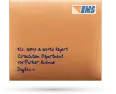
Your order is carefully packed and ships within 24 hours. Here's the typical package.
Sized like a regular personal letter (9.4x4.3x0.3 inches), with no indication of its contents.

| Shipping Method | Estimated delivery |
|---|---|
| Express Free for orders over $300.00 | Estimated delivery to the U.S.: 4-7 days |
| Standard Free for orders over $200.00 | Estimated delivery to the U.S.: 14-21 days |










Discount Coupons
- Independence Day - July 4, 2026 10% JULY410
- Labor Day - September 7, 2026 7% LABOR07
- Thanksgiving - November 26, 2026 9% THANKS09
Brand Names
| Country | Brand Names |
|---|---|
 United Kingdom United Kingdom | Adepend |
 Australia Australia | Revia |
FAQ
Description
When you're weighing medications to support long-term recovery from alcohol or opioid dependence, the biggest practical distinction with naltrexone is that it blocks the rewarding effects of opioids and dampens alcohol cravings without creating a physical reaction if a drink is taken anyway. That's different from disulfiram, which works by making drinking itself feel unpleasant. This single difference changes how each medicine fits into a daily routine and what happens if a lapse occurs, and it's the first thing worth understanding before you decide which approach suits you.
We offer Naltrexone 50 mg oral tablets in packs of 30, 60, and 90, giving you a simple way to match your supply to a prescribed course. Below, we walk through how naltrexone works, how it's typically used, what to expect and when, the safety points that matter most, how it compares with disulfiram, and what ordering and delivery look like when you choose us.
Naltrexone Tablets: Identity and Role in Recovery
Naltrexone is an opioid antagonist supplied here as an immediate-release oral tablet at a single strength of 50 mg. It is used in two related but distinct ways: as part of a treatment plan for alcohol dependence, and as blockade therapy to prevent relapse in people who have completed opioid detoxification. Unlike the extended-release injectable version some clinics administer monthly, we supply the standard oral tablet that is taken by mouth, typically once a day, which keeps dosing in the patient's own hands rather than tied to a clinic visit.
Because naltrexone doesn't punish alcohol use the way disulfiram does, and doesn't itself produce euphoria the way opioids do, its role is best understood as reducing the pull of cravings and blunting reward rather than creating an aversive consequence. That distinction matters when deciding which medicine fits a particular recovery plan.
Who May Consider Naltrexone Tablets?
Naltrexone tablets are generally considered for adults working on alcohol dependence or seeking to prevent relapse after opioid detoxification. Before starting, a prescriber typically confirms a few things to keep the medicine both safe and effective:
- The person has been opioid-free for an appropriate interval. At least 7 to 10 days is generally recommended after short-acting opioids, while people transitioning from methadone or buprenorphine may remain vulnerable to precipitated withdrawal for as long as two weeks.
- Clinical history and, when appropriate, a urine opioid screen or naloxone challenge support that opioids have cleared. No test completely eliminates the risk of precipitated withdrawal, so the prescriber determines when it is safe to start.
- There is no history of hypersensitivity to naltrexone or to any tablet ingredient.
- Liver function has been assessed, since naltrexone can cause liver injury and may not be suitable for someone with acute hepatitis or liver failure.
- The person and prescriber have discussed mood history, since the label calls for monitoring for depression or suicidality during treatment.
If you're exploring broader treatment approaches for alcohol dependence, our Alcoholism category page is a useful place to compare related options.
How Naltrexone Works, and What That Means Day to Day
Naltrexone works by binding tightly to mu-opioid receptors in the brain and blocking them. While this blockade is active, the usual euphoric and analgesic effects of opioids are reduced or blocked. For someone drinking alcohol, blocking these same receptors interrupts part of the reward pathway that alcohol activates, which is believed to reduce the urge to keep drinking once it has started and to blunt the reinforcing pull of cravings over time.

In practice, this mechanism means naltrexone doesn't eliminate cravings instantly or guarantee abstinence on its own. It works best as one part of a broader plan that includes counseling, support groups, or a structured program, with the medicine reducing the physiological pull that makes those other supports harder to use consistently.
Building a Daily Routine With Naltrexone
Naltrexone 50 mg tablets are generally taken once daily, with or without food, although the exact schedule should follow the prescriber's instructions. Choosing a consistent time that's easy to remember can help with adherence. Starting a bottle of pills on day one of a new routine, rather than midweek, may also make the schedule easier to track. Missing doses can leave gaps in receptor blockade and reduce the consistency of treatment, so a reminder or pill organizer may be useful. A missed dose should not be replaced with a double dose unless a clinician specifically directs otherwise.
Store the tablets at room temperature, between 68°F and 77°F, with brief excursions down to 59°F or up to 86°F considered acceptable. Keep the container tightly closed and protect it from light. A dry cabinet away from a stove or direct sunlight is a better choice than a windowsill or a humid bathroom medicine cabinet.
Choosing Your Pack Size
We offer Naltrexone 50 mg tablets in three package quantities: 30, 60, and 90 tablets. At a once-daily schedule, a 30-tablet pack provides a 30-day supply and may suit someone starting treatment and confirming tolerability before ordering more. The 60- and 90-tablet packs may suit people continuing an established routine, since a larger quantity means fewer reorders and less risk of running out between orders. We don't offer other strengths or dosage forms of naltrexone, so every pack you see reflects the same 50 mg oral tablet.
What Can You Expect, and When?
Naltrexone is absorbed quickly after an oral dose, and opioid-receptor blockade begins within the first few hours. A single 50 mg tablet generally provides meaningful blockade for about 24 hours. The effect on alcohol-related cravings and drinking patterns is less predictable: some people notice a change early, while others need several weeks of consistent use before they and their clinician can judge the response. Progress is usually evaluated through changes in cravings, drinking or relapse patterns, adherence, side effects, and engagement with counseling or other recovery support rather than by expecting an immediate or guaranteed result.
Safety Priorities to Keep Front of Mind
Naltrexone carries several warnings that are worth understanding before starting, not just reading in passing:
- Precipitated withdrawal: starting naltrexone while opioids are still active in the body can trigger sudden, severe withdrawal symptoms, which is why the opioid-free period before the first dose matters. It should not be started during current opioid use, opioid dependence, or acute opioid withdrawal, or when an opioid screen or naloxone challenge indicates that starting is unsafe.
- Liver effects: naltrexone has been associated with liver injury, particularly at doses higher than recommended, so baseline assessment and follow-up liver function checks may be used. Symptoms such as persistent abdominal pain, dark urine, or yellowing of the skin or eyes require prompt medical advice.
- Reduced opioid tolerance after stopping: if naltrexone is discontinued and opioids are used afterward, the body's tolerance will have dropped, raising a real risk of accidental overdose at doses that were previously tolerated.
- Attempts to overcome the blockade: taking large amounts of opioids in an effort to bypass naltrexone is dangerous and can result in a fatal overdose, particularly as the blockade wanes or after treatment stops.
- Mood monitoring: depression and suicidal thoughts have been reported during treatment, so ongoing check-ins with a prescriber are part of safe use. New or worsening mood symptoms require prompt attention.
- Pregnancy and breastfeeding: human pregnancy data are limited, and naltrexone and its active metabolite pass into breast milk, so both situations call for an individualized discussion with a clinician rather than a default answer.
- Driving and machinery: dizziness, drowsiness, or fainting can occur, so it's sensible to know how the tablets affect you before driving or operating machinery.
Naltrexone's safety and effectiveness in children have not been established. It should also be avoided by anyone with known hypersensitivity to naltrexone or a tablet ingredient, and it is not appropriate for someone with acute hepatitis or liver failure unless a qualified clinician determines otherwise.
What Interactions and Practical Precautions Matter Most?
Because naltrexone blocks opioid receptors, it will also block or reduce pain relief from opioid-containing medications, including many prescription painkillers and some cough or diarrhea medicines. This is important information to give any treating clinician, surgeon, dentist, or emergency team before a procedure or new treatment. People taking naltrexone should carry a medical alert card or another form of treatment notification in case emergency pain management is needed. Emergency opioid pain treatment may require specialist monitoring because unusually high opioid doses can cause severe respiratory depression once the blockade is overcome or begins to wear off.
It's also sensible to use caution with other medications that can stress the liver and to check with a pharmacist or prescriber before adding any new prescription medicine, over-the-counter product, or supplement. This review is especially important when a product may contain an opioid that is not obvious from its brand name. Naltrexone does not cause a disulfiram-like reaction with alcohol, but drinking can still worsen liver risk and work against treatment goals.
Naltrexone vs. Disulfiram: Choosing the Right Approach
Naltrexone vs. Disulfiram Comparison
| Feature | Naltrexone | Disulfiram |
|---|---|---|
| Active ingredient | Naltrexone | Disulfiram |
| Therapeutic class | Opioid receptor antagonist | Aldehyde dehydrogenase inhibitor |
| Available strengths | 50 mg | 250 mg, 500 mg |
| Dosage form | Tablet | Tablet |
| Primary action | Blocks opioid receptors to diminish alcohol reward | Inhibits alcohol breakdown, causing unpleasant physical reactions |
| Treatment role | Reduces cravings and reinforcing effects of alcohol | Deters alcohol intake through physical aversion |
Naltrexone and Antabuse (disulfiram) both support alcohol recovery programs, but through very different mechanisms. Disulfiram works by making alcohol consumption itself unpleasant through an aversive reaction, which can be a strong deterrent for someone who responds well to that kind of accountability but requires strict avoidance of alcohol in any form, including alcohol in some foods, medicines, and personal care products. Naltrexone instead reduces the underlying craving and reward response without causing a disulfiram-like reaction if alcohol is consumed. Some people find this approach more forgiving during an imperfect recovery process, but it depends on consistent use and does not make drinking risk-free. Neither approach is inherently better for everyone; the right choice usually comes down to medical suitability, treatment goals, adherence, liver health, and whether someone responds better to an aversive deterrent or to craving reduction. That's a conversation worth having with a prescriber familiar with your history.
Do You Need a Prescription to Order Naltrexone in the United States?
Naltrexone is authorized for human medicinal use in the United States, and the oral tablet form is classified as a prescription medicine under US regulation. That classification describes the medicine's legal status, not what we require to process an order. Our ordering policy does not require you to submit a prescription before we accept an order, so you can order Naltrexone from us without a prescription if that's your preference. Because naltrexone involves an opioid-free waiting period before the first dose and may require monitoring of liver function, mood, and treatment response, we still encourage involving a clinician in the decision and ongoing care, even when we do not require a prescription at checkout.
Ordering, Delivery, and Receiving Your Naltrexone
We've been operating as PocketDrugGuide since 2018, and our support team is available 24/7 by email and online chat, with a pharmacist on hand to answer questions about this medicine before or after you order. Here's what the process looks like:
- Choose a pack of 30, 60, or 90 Naltrexone 50 mg tablets.
- Complete checkout in US dollars; our ordering policy does not require a prescription upload to accept the order.
- We pack and dispatch your order through our fulfillment process, and we provide an estimated delivery window at checkout so you can plan around it.
- If anything about your order or delivery needs attention, our support team is reachable around the clock.
Because delivery windows are estimates, we'd rather you see the current timeframe shown at checkout for your specific order than rely on a generic promise here. When the package arrives, check that the label shows Naltrexone 50 mg oral tablets and that the quantity matches the pack you selected. Keep the tablets in their original, tightly closed container and store them as directed.
Making Your Decision
If what you need is a medicine that reduces cravings and blocks opioid reward without an aversive reaction to alcohol, Naltrexone 50 mg tablets are a well-established choice backed by decades of clinical use. If an aversive deterrent fits your situation better, disulfiram is worth discussing instead. Either way, matching the pack size to your treatment schedule, completing an appropriate opioid-free interval before starting, and keeping up with liver and mood monitoring are the practical steps that turn this medicine into a working part of a recovery plan rather than just a bottle of pills on a shelf. We're glad to supply the tablets and support the ordering and delivery side, while the clinical decisions stay where they belong, with you and your prescriber.

Product specifications
| Active ingredient | Naltrexone |
|---|---|
| Drug class | Opioid antagonist |
| Dosage form | Tablet |
| Available strengths | 50 mg |
| Route | Oral |
| Storage | Store at 68°F to 77°F; excursions permitted between 59°F and 86°F. Keep the container tightly closed and protect from light. |
| ATC code | N07BB04 |
Regulatory information
More information
Reviews
No reviews or ratings yet. Share your experience and help other customers.
