


Naltrexone 50 mg Tablets

Dosages
Naltrexone 50 mg
| Quantity | Price per tablet | You save | Total price | |
|---|---|---|---|---|
| 30 | £5.45 | - | £163.58 | |
| 60 | £5.17 | £16.93 | £310.24 | |
| 90 | £5.06 | £35.44 | £455.31 |
Manufacturers
Payment & Delivery
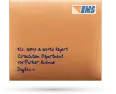
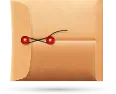
Your order is carefully packed and ships within 24 hours. Here's the typical package.
Sized like a regular personal letter (24x11x0.7 cm), with no indication of its contents.

| Delivery Method | Estimated delivery |
|---|---|
| Express Free for orders over £226.68 | Estimated delivery to the UK: 4-7 days |
| Standard Free for orders over £151.12 | Estimated delivery to the UK: 14-21 days |











Discount Coupons
- New Year's Day - 1 January 2026 9% NEWYEAR9
- Valentine's Day - 14 February 2026 6% VALENTINE6
- St David's Day - 1 March 2026 4% DAVID4
- St Patrick's Day - 17 March 2026 5% PATRICK5
- St George's Day - 23 April 2026 4% GEORGE4
- May Day - 1 May 2026 5% MAYDAY5
- Halloween - 31 October 2026 6% HALLOWEEN6
- Guy Fawkes Night - 5 November 2026 5% GUY5
- Christmas Eve - 24 December 2026 9% XMASEVE9
- Christmas Day - 25 December 2026 10% XMAS10
- Boxing Day - 26 December 2026 10% BOXING10
- New Year's Eve - 31 December 2026 8% NYE8
Brand Names
| Country | Brand Names |
|---|---|
 United Kingdom United Kingdom | Adepend |
 Australia Australia | Revia |
Description
The main distinction between Naltrexone 50 mg tablets and several other treatments for alcohol dependence is that naltrexone does not cause a disulfiram-like aversive reaction if alcohol is consumed. Instead, it blocks opioid receptors and can reduce the rewarding, reinforcing effects associated with drinking. That difference matters when comparing a reward-blocking medicine with an aversive treatment such as disulfiram or an abstinence-support medicine such as acamprosate. The right mechanism depends on the person's recovery plan, medical history, and ability to follow a daily tablet routine.
We supply Naltrexone as 50 mg oral tablets, offered in packs of 30, 60, and 90 tablets, so the identity and strength stay consistent across every pack size we list. This guide explains what the tablets are for, how they work, how a typical routine is structured, what results to expect, the safety points worth knowing before starting, how availability and prescription handling work in the UK, and what happens after placing an order with us.
What Naltrexone tablets are and where they fit
Naltrexone is an opioid antagonist. In tablet form, it is used as an adjunctive treatment for alcohol dependence alongside counselling or a structured support programme. It is also used to help people maintain abstinence from opioids after detoxification. It does not treat acute alcohol or opioid withdrawal, and it should not be viewed as a substitute for detoxification, psychological support, or continuing clinical follow-up.
The 50 mg oral tablet is the strength we stock, and every pack we sell - 30, 60, or 90 tablets - has the same strength, dosage form, and route. There is no liquid, injectable, or extended-release version in our listing, so comparisons with long-acting injectable naltrexone products do not describe the product we supply.
For a wider view of medicines used in this area, you can browse our Alcoholism page before deciding which approach to discuss with a prescriber.
Who may consider this tablet, and what decides suitability?
Naltrexone is generally considered for adults receiving continuing treatment for alcohol dependence or for people who have completed opioid detoxification and want help maintaining opioid abstinence. Suitability is not determined by the diagnosis alone. A prescriber will usually consider several practical and medical factors:
- Whether the person is currently opioid-free, because starting naltrexone too soon after opioid use can precipitate sudden, severe withdrawal.
- Liver function, since naltrexone is contraindicated in acute hepatitis and severe hepatic impairment and requires baseline and periodic liver checks.
- Kidney function, particularly if there is severe renal impairment or another condition that may affect medicine handling.
- Age, as these tablets are not recommended for anyone under 18 because safety and efficacy have not been established in that group.
- Pregnancy or breastfeeding status, both of which require individual clinical assessment rather than routine use.
- Whether driving, operating machinery, or other alertness-dependent tasks form part of the daily routine, given the possibility of dizziness or drowsiness.
- Whether the person can follow a daily tablet routine and continue with counselling, monitoring, or another agreed support programme.
People who expect to need opioid pain relief also need a specific plan. Naltrexone can prevent opioid analgesics from working normally, so foreseeable surgery, dental treatment, or treatment for chronic pain should be discussed before therapy begins.
How does Naltrexone work in the body?
Naltrexone binds to opioid receptors and blocks them. If someone takes an opioid painkiller or an illicit opioid while naltrexone is active, the expected euphoric, sedative, or pain-relieving effect may be substantially reduced or blocked. Attempting to overcome that blockade by taking larger opioid quantities is dangerous and can result in a life-threatening overdose.
For alcohol dependence, opioid-receptor blockade is thought to reduce alcohol-related reward signalling in the brain. This may lessen craving or reduce the reinforcing pull that encourages continued drinking. It is a pharmacological support mechanism rather than a cure, and treatment works best as part of a wider plan that includes counselling, social support, or another structured recovery programme.

In practice, naltrexone does not deliberately produce the flushing, palpitations, nausea, or other aversive interaction associated with drinking alcohol while taking disulfiram. Alcohol can still cause its own harmful effects, however, and drinking may worsen nausea, dizziness, judgement, or liver risk. The absence of a disulfiram-like reaction should not be interpreted as making alcohol use safe during treatment.
How should Naltrexone be used and built into a routine?
Naltrexone tablets are commonly taken once daily, with or without food, at a consistent time that is easy to remember. The prescribed regimen must be followed because clinicians may use an introductory dose or a supervised alternative schedule in some circumstances. Food is not required for absorption, although taking the tablet with food may be more comfortable if nausea occurs.
Before the first dose, a clinician will usually confirm an adequate opioid-free interval. Around seven to ten days may be sufficient after many short-acting opioids, but a longer interval may be needed after long-acting opioids such as methadone or buprenorphine. The interval should not be guessed. Clinical assessment, urine testing, or a naloxone challenge may be used when recent opioid exposure is uncertain.
- Take the tablet at the same time each day to build a steady routine.
- If a dose is missed, follow the patient information leaflet or prescriber's advice and do not take a double dose to compensate.
- Tell the prescriber if opioids were used during a treatment break, as restarting may require another opioid-free interval and clinical assessment.
- Keep follow-up appointments for liver function monitoring, particularly during the early months or if symptoms suggest liver injury.
- Do not try to overcome the blockade with larger opioid doses, as this can cause serious or fatal overdose.
- Store the tablets at 20°C to 25°C, with excursions permitted between 15°C and 30°C. Keep the container tightly closed and protect it from light.
It can help to link the dose to a reliable daily event, such as breakfast or brushing your teeth. A reminder on a phone or calendar can support adherence, but any change to the prescribed schedule should be agreed with the treating clinician rather than improvised to fit missed doses.
Available pack options
We list Naltrexone 50 mg tablets in three pack sizes - 30, 60, and 90 tablets - so a shorter supply, a standard monthly quantity, or a longer-running supply can be matched to an individual plan without changing the strength or formulation. The active ingredient, strength, oral route, and tablet form are identical across all three options.
The most suitable quantity depends on the prescribed schedule, planned review dates, and whether treatment is newly starting or already established. A smaller pack may be more practical when the response and tolerability still need review. A larger pack may suit an established daily routine, but it should not replace scheduled clinical monitoring or be used to extend treatment beyond the agreed plan.
What results and timing can realistically be expected?
Naltrexone begins blocking opioid receptors after an oral dose, but the treatment benefit is not usually experienced as a dramatic physical sensation. For alcohol dependence, progress may instead appear as a gradual reduction in craving, less reward associated with drinking, fewer heavy-drinking episodes, or improved ability to follow an abstinence plan. Individual responses differ, and not noticing an immediate sensation does not by itself mean the medicine is inactive.
Clinical use often continues for a period of months and is reviewed alongside counselling progress, adherence, adverse effects, and liver function. People maintaining opioid abstinence may also remain on treatment for an extended, individually determined period rather than a fixed short course. If cravings, drinking, or relapse risk do not improve, the response should be reviewed rather than the dose being changed without advice.
Important safety priorities before starting
The most significant immediate safety issue is the opioid-free interval. Taking naltrexone while physically dependent on opioids can trigger rapid, severe withdrawal. A clinician also needs to review liver health, kidney health, recent opioid exposure, current medicines, and circumstances in which opioid pain relief might be required.
Commonly reported adverse effects include nausea, abdominal discomfort, headache, dizziness, tiredness, anxiety, difficulty sleeping, and reduced appetite. These effects are not experienced by everyone, but persistent or troublesome symptoms should be discussed with a healthcare professional.
- Naltrexone is contraindicated in current opioid dependence, a positive opioid screen where dependence has not been excluded, acute hepatitis, and severe hepatic impairment.
- Urgent advice is needed for possible liver injury, including persistent upper abdominal pain, dark urine, pale stools, unusual tiredness, or yellowing of the skin or eyes.
- Breastfeeding is generally best avoided because naltrexone and its metabolite pass into breast milk and experience in breastfed infants is limited.
- Pregnancy requires individual clinical judgement, as adequate human safety data are limited.
- Dizziness or drowsiness can occur, so the individual response should be known before driving or operating machinery.
- Use in children and adolescents under 18 is not recommended because safety and efficacy have not been established.
After naltrexone is stopped, opioid tolerance may be lower than it was previously. Returning to a formerly tolerated opioid dose can therefore cause overdose. This loss of tolerance is important after missed treatment, discontinuation, or completion of a course.
Interactions and practical precautions worth knowing
Naltrexone interacts most importantly with opioid-containing medicines. This includes some prescription painkillers, cough preparations, and medicines used for diarrhoea, as well as illicit opioids. Opioid pain relief may be ineffective while receptor blockade is active, and taking more in an attempt to obtain an effect is unsafe.
Anyone expecting surgery, dental treatment, or another procedure should tell the treating team about naltrexone well in advance so a suitable pain-management plan can be arranged. In an emergency, healthcare professionals must know when the last dose was taken. Non-opioid approaches may be considered, while any essential opioid administration requires specialist monitoring because unusually high doses can create profound respiratory risk as the blockade changes.
Other medicines that affect the liver should be reviewed, and alcohol use should be discussed honestly with the prescriber. Keeping an up-to-date medicine list or carrying a treatment card can help clinicians avoid ineffective or unsafe opioid treatment. Routine liver function monitoring remains an important practical check throughout therapy rather than a one-off test at the start.
Naltrexone vs Acamprosate for alcohol dependence
Acamprosate is another medicine used alongside counselling and psychosocial support for alcohol dependence, but it works differently. It is generally used to support continued abstinence after alcohol withdrawal, whereas naltrexone acts through opioid-receptor blockade and may reduce alcohol-related reward and craving. The comparison below sets out the practical distinction while keeping our Naltrexone 50 mg tablets separate from the acamprosate alternative.
Naltrexone vs Acamprosate Comparison
| Feature | Naltrexone | Acamprosate |
|---|---|---|
| Active ingredient | Naltrexone hydrochloride | Acamprosate calcium |
| Medicine class | Opioid receptor antagonist | GABA agonist and NMDA modulator |
| Primary action | Reduces alcohol-induced euphoria and cravings | Restores neurochemical balance to maintain abstinence |
| Dosage form | Tablet | Gastro-resistant tablet |
| Available strengths | 50 mg | 333 mg |
In broad terms, naltrexone may be considered when reducing alcohol-related reward or supporting continued opioid abstinence is relevant. Acamprosate may be considered when the goal is maintaining alcohol abstinence through a non-opioid mechanism, particularly when opioid blockade would be unsuitable. Kidney and liver function, adherence, treatment goals, and the possible need for opioid pain relief can all influence the choice.
Some people also consider disulfiram, which creates an aversive interaction with alcohol rather than using either of the mechanisms above. Our Antabuse listing explains that approach if a clinician considers it more suitable than a reward-blocking or abstinence-support option.
Prescription status and access in the United Kingdom
Naltrexone is authorised for human medicinal use in the United Kingdom, and oral naltrexone tablets are classified as prescription-only medicine. That regulatory classification is separate from how we handle orders: under our ordering policy, we do not require you to submit a prescription document before we accept an order for Naltrexone 50 mg tablets.
Our ordering requirement does not change the medicine's prescription-only classification or remove the need for appropriate clinical assessment. The opioid-free interval, liver and kidney status, possible interactions, and follow-up plan should be settled with a qualified prescriber or other appropriate healthcare professional before treatment begins.
Ordering, delivery, and receiving your pack
We have operated PocketDrugGuide since 2018, and our team supports customers by email and online chat 24 hours a day. A pharmacist is also available for medicine-related questions. When ordering, select the required pack size of 30, 60, or 90 tablets and check that the product is Naltrexone 50 mg oral tablets before completing checkout.
Once the order is accepted, we pack it discreetly and dispatch it for delivery within the UK. Enter the complete delivery address and postcode carefully to reduce avoidable delays. On arrival, check the medicine name, 50 mg strength, tablet quantity, packaging condition, and expiry information against the order before use.
Keep the tablets in their supplied container and store them under the stated conditions. If the pack appears damaged, has been exposed to unsuitable conditions, or does not match the order, contact our support team before taking a tablet. Questions about delivery or the supplied pack can be handled through our support channels, while decisions about suitability, dosing changes, or treatment interruption require an appropriate healthcare professional.
Bringing the decision together
Choosing Naltrexone 50 mg tablets generally comes down to whether opioid-receptor blockade fits the treatment goal. It may support treatment for alcohol dependence or help maintain opioid abstinence after detoxification, but it is not a withdrawal treatment and it does not replace counselling, monitoring, or a structured recovery programme.
The opioid-free interval, liver function, kidney function, possible need for opioid pain relief, and the under-18, pregnancy, and breastfeeding precautions are the main points to settle before starting. Once those issues and the treatment schedule are clear, our 30-, 60-, and 90-tablet pack options, support team, and UK delivery service make the ordering and receiving process straightforward.

Product specifications
| Active ingredient | Naltrexone |
|---|---|
| Drug class | Opioid antagonist |
| Dosage form | Tablet |
| Available strengths | 50 mg |
| Route | Oral |
| Storage | Store at 20°C to 25°C; excursions permitted between 15°C and 30°C. Keep the container tightly closed and protect from light. |
| ATC code | N07BB04 |
Regulatory information
More information
Reviews
No reviews or ratings yet. Share your experience and help other customers.
