Antabuse (disulfiram) 250 mg and 500 mg tablets are an oral alcohol-deterrent medicine that produces an unpleasant reaction if alcohol is consumed, helping to support abstinence alongside counselling for alcohol dependence.
This tool only estimates pack size from the values you enter.
×
You need: 21 tabsRecommended packs: 1 x 90 = 90 tabs
Manufacturers
Alphapharm Pty LtdDamor FarmaceuticiIntas Pharmaceuticals Ltd.Laboratorios Rubió, S.A.Paladin Labs Inc.Sanofi Winthrop IndustrieTeva PharmaceuticalsTeva Pharmaceutical Works Private Limited Company
Payment & Delivery
Package Example
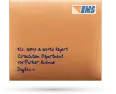
Your order is carefully packed and ships within 24 hours. Here's the typical package.
Sized like a regular personal letter (24x11x0.7 cm), with no indication of its contents.
Front View
Side View
Back View
Delivery Times
Delivery Method
Estimated delivery
Express Free for orders over £225.08
Estimated delivery to the UK: 4-7 days
Standard Free for orders over £150.05
Estimated delivery to the UK: 14-21 days
Payment Methods
Discount Coupons
New Year's Day - 1 January 2026 9%NEWYEAR9
Valentine's Day - 14 February 2026 6%VALENTINE6
St David's Day - 1 March 2026 4%DAVID4
St Patrick's Day - 17 March 2026 5%PATRICK5
St George's Day - 23 April 2026 4%GEORGE4
May Day - 1 May 2026 5%MAYDAY5
Halloween - 31 October 2026 6%HALLOWEEN6
Guy Fawkes Night - 5 November 2026 5%GUY5
Christmas Eve - 24 December 2026 9%XMASEVE9
Christmas Day - 25 December 2026 10%XMAS10
Boxing Day - 26 December 2026 10%BOXING10
New Year's Eve - 31 December 2026 8%NYE8
FAQ
In the United Kingdom, disulfiram is a prescription-only medicine and requires a prescription when bought from a local pharmacy. Our store policy allows you to order these tablets without a prescription and have them sent by mail.
Take the missed dose when you remember unless it is nearly time for the next dose. In that case, skip the missed dose and continue with the usual schedule; do not take two doses together.
The manufacturer of the supplied product may vary. The manufacturer's name is shown on the product packaging.
Disulfiram tablets are taken by mouth, usually once daily, exactly as prescribed. They can be taken with or without food. Treatment should begin only after a period without alcohol, and alcohol must be avoided throughout treatment and for up to 14 days after the last dose, including alcohol in medicines, foods and toiletries.
Description
Antabuse is the brand name for disulfiram, an oral tablet used as part of a structured programme to help people who are dependent on alcohol stay abstinent. It does not reduce craving directly; instead, it works by making a drink of alcohol genuinely unpleasant, which turns willpower into a predictable physical consequence. We stock Antabuse as 250 mg and 500 mg tablets, and this article explains how disulfiram works, how it is generally used, and what to consider before ordering.
Understanding Antabuse and Alcohol Dependence
Alcohol dependence is a chronic relapsing condition in which the brain's reward and stress systems adapt to repeated alcohol exposure, making continued drinking feel necessary and stopping feel physically and psychologically uncomfortable. Medically assisted withdrawal (detoxification) removes alcohol from the body, but it does not on its own prevent a return to drinking. Disulfiram is one of several medicines used after withdrawal to support relapse prevention, alongside counselling, structured support groups, and follow-up with a prescriber. It is best understood as a deterrent rather than a cure: it does not alter the underlying dependence, but it adds a strong, near-immediate disincentive to drinking that can help someone hold to a decision they have already made to stay sober.
How Disulfiram Works
Disulfiram blocks aldehyde dehydrogenase, the liver enzyme responsible for breaking down acetaldehyde, the toxic intermediate produced when the body metabolises alcohol. Normally, acetaldehyde is converted quickly into harmless acetate. With aldehyde dehydrogenase inhibited, acetaldehyde accumulates rapidly in the blood if alcohol is consumed, producing the disulfiram-alcohol reaction: facial flushing, throbbing headache, nausea, vomiting, sweating, a rapid pulse, and a drop in blood pressure. In more severe cases this can extend to chest pain, arrhythmia, breathing difficulty, and collapse. The reaction typically begins within ten to fifteen minutes of alcohol reaching the bloodstream and can last from thirty minutes to several hours depending on how much alcohol has been consumed. Because the person knows this reaction will occur, disulfiram works largely through anticipation and deterrence rather than through any direct effect on mood or craving.
What the Evidence Shows
Clinical experience with disulfiram spans more than seventy years, making it one of the oldest medicines used in addiction treatment. Randomised trials have produced mixed results overall, in part because outcomes depend heavily on whether tablet-taking is supervised. Studies that included supervised or witnessed dosing, such as observed daily administration by a partner, family member, or clinic, have generally shown better rates of continuous abstinence than trials relying on unsupervised self-administration, where adherence tends to fall away. NICE guidance on alcohol-use disorders in the United Kingdom recognises disulfiram as an option for relapse prevention after assisted withdrawal, used within a supervised treatment plan alongside psychological support, rather than as a stand-alone prescription. The practical lesson from this evidence is that disulfiram works best as part of a structured plan with regular review, not as medicine taken in isolation.
Active Ingredient and Tablet Formulation
The active ingredient in Antabuse is disulfiram, classed as an alcohol-deterrent medicine and, more precisely, as an aldehyde dehydrogenase inhibitor. We supply it as oral tablets in two strengths, 250 mg and 500 mg, which are taken by mouth and swallowed whole or as directed. The tablets contain no alcohol themselves and are not flavoured or chewable products, so palatability is not a significant consideration; the relevant practical point is consistent daily intake rather than taste. Disulfiram tablets are distinct from other formulations used in some countries, such as subcutaneous implants, which are not the product supplied here.
When Antabuse Is Prescribed
Disulfiram is prescribed for adults with a diagnosis of alcohol dependence who have already completed, or are not currently undergoing, alcohol withdrawal, and who have made an informed decision to aim for total abstinence. It is not used to treat acute alcohol withdrawal itself, nor is it a treatment for occasional heavy drinking without a dependence diagnosis. It is typically introduced once someone has been alcohol-free for at least 24 hours, following a medical assessment that confirms there is no unsafe underlying heart, liver, kidney, or psychiatric condition, and after the person clearly understands and accepts the nature of the reaction that will follow any alcohol intake, including alcohol hidden in some foods, tonics, mouthwashes, and toiletries.
Strengths, Pack Sizes and General Dosing Principles
We offer Antabuse 250 mg tablets in packs of 90, 120, 180, 270, and 360, and Antabuse 500 mg tablets in packs of 60, 90, 120, 180, 270, and 360, so that a course can be matched to the length of treatment planned with a prescriber. Established UK dosing guidance for disulfiram describes a short loading schedule that may begin at 800 mg on the first day and reduce progressively over five days, followed by a maintenance dose usually in the range of 100 mg to 200 mg once daily. The prescribed schedule must be compatible with the particular tablet strength and formulation supplied, and tablets should not be divided unless the product information or a pharmacist confirms that this is appropriate. Maintenance therapy may continue for at least six months and sometimes longer where it is well tolerated and alcohol has been avoided, with regular review of whether it remains appropriate. Because the exact loading and maintenance schedule depends on individual factors such as liver function, other medicines, and response, this is general background information rather than a specific regimen, and the precise dose and duration should always follow a prescriber's individualised instructions.
Elimination and Half-life
Disulfiram is absorbed from the gut and extensively metabolised in the liver into several active and inactive breakdown products, including diethylthiocarbamate and carbon disulfide, some of which are eliminated through the lungs and can occasionally be smelled on the breath. The plasma half-life of unchanged disulfiram itself is relatively short, but its effect on aldehyde dehydrogenase is what matters clinically, and that inhibition is essentially irreversible: the enzyme has to be regenerated by new protein synthesis in the liver rather than simply cleared from the blood. As a result, sensitivity to alcohol can persist for one to two weeks after the last tablet is taken, which is an important practical point for anyone stopping treatment or planning any event involving alcohol. Elimination of disulfiram's metabolites occurs mainly via the kidneys and, to a lesser extent, through the lungs, over a period of days following each dose.
Important Safety Information
The distinctive safety issue with disulfiram is the predictable and potentially hazardous reaction it causes when alcohol is consumed, but the medicine can also produce adverse effects independently of alcohol exposure. Before starting, a prescriber normally checks liver function and reviews cardiac, psychiatric, and kidney health. Liver function is commonly monitored about every two weeks for the first two months and then every three to six months during continued treatment, with more frequent testing where clinically indicated, because disulfiram has rarely been associated with serious, sometimes severe, hepatic reactions. People with diabetes may need closer blood glucose monitoring, since disulfiram can affect glycaemic control and any accidental alcohol exposure adds further metabolic stress. Anyone with a documented allergy to thiuram compounds, found in some rubber products and pesticides, should mention this specifically, as disulfiram is chemically related. Because disulfiram can cause drowsiness, dizziness, or visual disturbance in some people, particularly when treatment is first started, driving and operating machinery call for caution until individual response is known.
Prescription Status and Ordering With Us
In the United Kingdom, disulfiram is classified as a prescription-only medicine, reflecting the clinical assessment, baseline testing, and ongoing monitoring that responsible use of an alcohol-deterrent medicine requires. Because Antabuse involves a genuine safety reaction by design, we encourage anyone considering it to have that assessment carried out by a doctor or an alcohol treatment service familiar with their health history. Within our own ordering process at PocketDrugGuide, we do not require a prescription to be submitted before we accept an order for Antabuse, which some customers use where they are already established on treatment or have obtained clinical advice elsewhere; this describes our checkout process rather than the medicine's underlying UK classification, which remains prescription-only. Our pharmacist-supported team is available every day of the week by email and online chat to answer questions about a current order or general use. As with any prescription medicine bought without submitting a prescription, we recommend confirming suitability with a doctor first, particularly given the cardiac, hepatic, and psychiatric checks involved. It is also worth noting that the exact Antabuse pack and strength should be checked against the current MHRA Products register, since listing a strength for sale does not by itself confirm an active UK marketing authorisation for every presentation.
Who Should Not Take Antabuse
Disulfiram should not be started until at least 24 hours after the last alcoholic drink, and alcohol must then be avoided throughout treatment and for up to two weeks after the final dose. It is contraindicated in people with severe heart disease, a recent heart attack, coronary insufficiency, or significant hypertension, because the cardiovascular strain of a reaction could be dangerous. It should not be used in severe liver or kidney impairment, in active psychosis or a history of psychotic illness, or during pregnancy, where animal studies have shown toxicity and the risk of a severe reaction combined with alcohol raises concern for the developing baby. It is not recommended while breastfeeding, since there is not enough information about whether disulfiram passes into breast milk, and it is not considered suitable for children, as safety and effectiveness in that age group have not been established. A known hypersensitivity to disulfiram or to thiuram derivatives is also a contraindication.
Interactions With Other Medicines and Substances
Beyond alcohol itself, disulfiram inhibits several liver enzymes and can raise blood levels of other medicines metabolised through the same pathways. Notable interactions include warfarin and other anticoagulants, where anticoagulant effect can be increased and clotting tests may need closer monitoring; phenytoin, where levels can rise significantly; and theophylline, where clearance can be reduced. Metronidazole and certain other nitroimidazole antibiotics should generally be avoided together with disulfiram, as the combination has been linked to confusion and psychotic reactions. Isoniazid combined with disulfiram has occasionally been associated with coordination and behavioural changes. Because many everyday products contain small amounts of alcohol, including some cough syrups, tonics, mouthwashes, and aftershaves, these should also be checked, since even modest exposure can trigger a reaction in someone taking disulfiram.
Side Effects and When to Seek Help
Ordinary side effects reported with disulfiram include drowsiness, fatigue, headache, a metallic or garlic-like taste, and mild gastrointestinal upset, especially during the first couple of weeks. Peripheral neuropathy, causing tingling or numbness in the hands or feet, and rarely optic neuritis affecting vision, have been reported with longer use and should be mentioned to a prescriber promptly if noticed. Because of the small risk of serious liver injury, symptoms such as persistent nausea, yellowing of the skin or eyes, dark urine, unusual tiredness, or abdominal pain need urgent medical assessment rather than being managed at home. Any confusion, unusual mood change, or signs of psychosis should also be reported without delay. The disulfiram-alcohol reaction itself, with flushing, a pounding headache, breathlessness, chest discomfort, or a fainting sensation, should be treated as an emergency if severe, and UK patients or their carers should call 999 or attend the nearest A&E department if symptoms are significant, or use NHS 111 for urgent but less severe concerns.
Overdose and the Alcohol Reaction
Taking too much disulfiram itself, without alcohol, can cause drowsiness, gastrointestinal upset, and, in significant overdose, more serious hepatic or neurological effects, and medical assessment should be sought if an overdose is suspected. In practice, the more common and more dangerous scenario is a substantial alcohol intake in someone taking disulfiram, which can escalate a mild flush-and-headache reaction into severe hypotension, cardiovascular collapse, or arrhythmia, particularly with larger amounts of alcohol or in people with underlying heart disease. This combination should always be treated as a medical emergency: the person should not be left alone, and emergency care, by calling 999 or attending A&E, should be sought without waiting to see whether symptoms settle. Suspected adverse reactions to disulfiram, whether from ordinary use or from the alcohol reaction, can also be reported to the MHRA through the Yellow Card scheme, which supports ongoing monitoring of the medicine's safety.
Storage
Antabuse tablets should be stored at 20°C to 25°C, with brief excursions between 15°C and 30°C during transport or short periods considered acceptable. Keep the tablets in their original, tightly closed container, away from direct light and moisture, and out of reach of children, since accidental ingestion by a child who has also been exposed to alcohol-containing products could provoke an unexpected reaction. Do not use tablets beyond their printed expiry date, and dispose of any unused or expired medicine through a pharmacy take-back scheme rather than household waste.
Benefits and Trade-offs
The clear benefit of disulfiram is the strength and immediacy of its deterrent effect: because the consequence of drinking is fast, physical, and unpleasant, it provides a concrete daily reminder of a commitment to abstinence that purely psychological motivation can lack on a difficult day. Its main trade-offs are that it does nothing to reduce underlying craving, it depends heavily on consistent daily adherence, and it carries genuine safety requirements, including baseline health checks, monitoring, and strict avoidance of hidden alcohol sources. For some people, this combination of a demanding safety profile and its all-or-nothing nature makes it less suitable than treatments that work by reducing craving or blunting alcohol's rewarding effects, which is why it is generally reserved for individuals who have specifically chosen an abstinence-based approach and can manage the associated precautions. Anyone weighing up treatment more broadly can explore our Alcoholism page for an overview of the different approaches available.
Generic Disulfiram and Other Treatment Options
Disulfiram is also available as a generic medicine under its non-proprietary name in some markets, and under other brand names such as Esperal, which use the same active ingredient and mechanism as Antabuse; the choice between a branded pack and a generic equivalent generally comes down to formulation consistency and personal preference rather than a difference in how the medicine works. Disulfiram differs fundamentally from craving-reduction medicines used for alcohol dependence, such as naltrexone, which blocks opioid receptors involved in alcohol's rewarding effects, and acamprosate, marketed as Campral, which helps stabilise glutamate activity disrupted by chronic drinking; nalmefene, sold as Selincro, works similarly to naltrexone but is licensed for reducing alcohol consumption rather than maintaining strict abstinence. The table below summarises how these approaches differ in principle, to help place Antabuse's deterrent mechanism in context alongside other options a prescriber might discuss.
Medicine
Main mechanism
Typical goal
Antabuse (disulfiram)
Blocks alcohol breakdown, causing a reaction if alcohol is drunk
Deterrence, supporting abstinence
Naltrexone
Blocks opioid receptors involved in alcohol reward
Reduced craving, relapse prevention
Acamprosate (Campral)
Modulates glutamate activity altered by chronic drinking
Reduced craving, maintaining abstinence
Nalmefene (Selincro)
Opioid receptor modulation, taken as needed
Reduced alcohol consumption
None of these alternatives are interchangeable substitutes for Antabuse, since they work through different biological pathways and suit different treatment goals; a prescriber's assessment of dependence severity, treatment aims, and general health remains the appropriate way to choose between them. Whichever option is used, disulfiram's distinctive place in this group is that it does not quiet the urge to drink, it simply makes acting on that urge a genuinely uncomfortable experience, which is precisely why supervision, honest alcohol avoidance, and regular medical review matter so much throughout treatment.
I'm ordering from Manchester and may need to reorder later. Will the tablets definitely come from the same manufacturer each time?
A
Answered by Support team
We cannot guarantee the same manufacturer for every order. When you receive a repeat order, check that the label confirms disulfiram, the prescribed strength, tablets as the dosage form, and the relevant batch and expiry details.
Q
Asked by Poppy K, Lisburn, United Kingdom
I live in Lisburn, Northern Ireland. Can I check whether this medicine can be delivered to my address before I pay?
A
Answered by Support team
Yes. Enter your Lisburn delivery address and postcode during checkout to see the delivery options available for that destination before payment. Availability can vary by address and option.
Q
Asked by Grace T, Nottingham, United Kingdom
My order to Nottingham has been dispatched. Does that mean it should arrive tomorrow?
A
Answered by Support team
Not necessarily. Dispatch means the order has been sent; delivery time then depends on the delivery option selected and your location. Most orders are dispatched within 24 hours on Monday to Friday.
Q
Asked by Joseph W, Cardiff, United Kingdom
Before ordering to Cardiff, can I use my postcode to check whether delivery is available?
A
Answered by Support team
Yes. Add your Cardiff address and postcode at checkout to view the delivery options available for your destination. This is the best way to confirm availability before placing the order.
Q
Asked by Joshua D, London, United Kingdom
I'm taking disulfiram and have been offered a non-alcoholic beer at a work event. Is that safe to drink?
Do not assume that "non-alcoholic" means alcohol-free: some beers still contain alcohol, which can trigger a disulfiram-alcohol reaction. Avoid any drink containing alcohol and check the label carefully; this precaution also applies for up to 14 days after your last dose.