Antabuse is an oral disulfiram tablet, supplied in 250 mg and 500 mg strengths, used within structured alcohol-dependence treatment to cause an aversive and potentially dangerous reaction if alcohol is consumed and support continued abstinence.
This tool only estimates pack size from the values you enter.
×
You need: 21 tabsRecommended packs: 1 x 90 = 90 tabs
Manufacturers
Alphapharm Pty LtdDamor FarmaceuticiIntas Pharmaceuticals Ltd.Laboratorios Rubió, S.A.Paladin Labs Inc.Sanofi Winthrop IndustrieTeva PharmaceuticalsTeva Pharmaceutical Works Private Limited Company
Payment & Shipping
Package Example
Your order is carefully packed and ships within 24 hours. Here's the typical package.
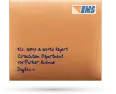
Sized like a regular personal letter (24x11x0.7 cm), with no indication of its contents.
Front View
Side View
Back View
Shipping Times
Shipping Method
Estimated delivery
Express Free for orders over C$424.73
Estimated delivery to Canada: 4-7 days
Standard Free for orders over C$283.15
Estimated delivery to Canada: 14-21 days
Payment Methods
Discount Coupons
Victoria Day - May 18, 2026 8%VICTORIA8
Canada Day - July 1, 2026 10%CANADADAY10
Labour Day - September 7, 2026 6%LABOUR6
Thanksgiving (Canada) - October 12, 2026 9%THANKS9
Boxing Day - December 26, 2026 12%BOXING12
Brand Names
Also known as (by country):
Country
Brand Names
France
Esperal
Italy
Etiltox
Belgium
Esperal
FAQ
A prescription is required to obtain disulfiram from local Canadian pharmacies. Our store policy allows you to order these disulfiram tablets without a prescription and have them sent by mail.
Take unused or expired tablets to a pharmacy or authorized medication take-back program when one is available. Keep them out of reach of children and pets, and do not flush them unless local disposal instructions specifically say to do so.
Yes. These tablets contain disulfiram, the active ingredient used in brand-name disulfiram medicines such as Antabuse. The manufacturer, tablet appearance, and inactive ingredients can differ between products, so check the received package if any of those details matter to you.
Disulfiram is used as part of treatment for alcohol dependence in selected adults who want to remain abstinent. It causes an unpleasant and potentially dangerous reaction if alcohol is consumed, so it is used alongside counselling, support, and a plan to avoid alcohol completely.
Description
Antabuse is the brand under which we supply disulfiram, an oral tablet used as part of structured programs for treating alcohol dependence. Rather than reducing craving directly, disulfiram causes an aversive and potentially dangerous reaction if alcohol is consumed, reinforcing a person's day-to-day commitment to staying abstinent. We supply Antabuse as 250 mg and 500 mg tablets in several pack sizes, and this article explains how the medicine works, how it is generally used and monitored, and how it compares with other alcohol-dependence treatments.
What Antabuse Is and How It Fits Into Alcohol-Dependence Care
Antabuse contains disulfiram, an aldehyde dehydrogenase inhibitor classified as an alcohol deterrent (ATC code N07BB01). We offer it as oral tablets in 250 mg and 500 mg strengths. Disulfiram has been used in alcohol-dependence treatment since the early 1950s, and it remains one of the few medicines that acts as a genuine deterrent rather than a craving-reduction agent. It is prescribed alongside counselling, support groups, or structured recovery programs, not as a stand-alone cure, and it works best when a person has already decided to stop drinking and wants a concrete, physical reason to avoid a lapse.
Understanding Alcohol Dependence and Why a Deterrent Medicine Helps
Alcohol dependence is a chronic condition marked by an impaired ability to control drinking despite harmful consequences, and relapse is common even after a period of successful abstinence. Medicines used in this area generally take one of two approaches: reducing the underlying urge to drink, or making drinking itself immediately unpleasant. Disulfiram takes the second approach. By building in an unpleasant physical consequence, it gives a person a tangible, immediate reason to decline a drink at a vulnerable moment, which can be a valuable complement to counselling and behavioural support rather than a substitute for it.
How Disulfiram Works in the Body
Disulfiram irreversibly inhibits aldehyde dehydrogenase, the liver enzyme responsible for breaking down acetaldehyde, the intermediate compound produced when alcohol is metabolized. When someone taking disulfiram drinks alcohol, acetaldehyde accumulates in the blood far beyond normal levels. This produces the disulfiram-alcohol reaction: facial flushing, a throbbing headache, nausea, vomiting, sweating, chest discomfort, a fast heartbeat, and a drop in blood pressure. Reactions can range from mildly unpleasant to genuinely dangerous, and the anticipation of this reaction is what discourages drinking. Because the enzyme inhibition is irreversible, the deterrent effect does not depend on having taken a dose that same day; it persists until the body produces enough new enzyme to replace what was inhibited.
What the Evidence Shows
The best-known controlled evaluation, the US Veterans Affairs Cooperative Study led by Fuller and colleagues and published in 1986, found that disulfiram did not reduce the overall rate of relapse compared with placebo, but among people who did drink, it reduced the number of drinking days, and outcomes were clearly better in patients who took their doses reliably. This pattern has been echoed in later research: disulfiram's practical effectiveness is closely tied to adherence, and outcomes tend to improve substantially when dosing is supervised, whether by a partner, a pharmacist, or a treatment program, rather than left entirely to unsupervised self-administration. This is a key practical takeaway rather than a reason to dismiss the medicine: it works best as part of a structured plan with accountability built in.
Formulation and Available Strengths
We supply Antabuse as oral tablets in two strengths, 250 mg and 500 mg. The tablets are taken by mouth and are generally swallowed whole with water; if swallowing a whole tablet is difficult, tablets can be crushed and mixed into a beverage immediately before taking, as guided by a pharmacist or prescriber. There is no injectable, patch, or liquid version of Antabuse itself, so the strength and tablet form are consistent across every pack size we list.
Established Uses
Disulfiram is used as an adjunct in the management of selected patients with chronic alcohol dependence who want to maintain a state of enforced sobriety. It is not used to treat acute alcohol intoxication, and it is not a treatment for the physical symptoms of alcohol withdrawal, which require separate, medically supervised management. It is only appropriate once a person has already stopped drinking, typically for at least 12 hours, and has no current features of intoxication or withdrawal.
Strengths, Package Sizes, and General Dosing Principles
Because individual regimens should always be set by a treating prescriber, the following reflects general, established dosing principles rather than a recommendation for any particular reader. Treatment is usually started with a loading dose, commonly around 500 mg once daily for the first one to two weeks, followed by a lower maintenance dose, often in the range of 125 mg to 500 mg once daily, adjusted according to response and tolerability. Disulfiram is only started after a person has abstained from alcohol for a minimum of about 12 hours, and it is generally taken once a day, at the same time, often in the morning if a person anticipates evening drinking situations or at night if drowsiness is an issue.
We list Antabuse in the following pack sizes so that customers can match the listing to an agreed treatment plan:
250 mg tablets: packs of 90, 120, 180, 270, or 360 pills
500 mg tablets: packs of 60, 90, 120, 180, 270, or 360 pills
Prices and current stock for each pack size are shown on this page in Canadian dollars; the dosing pattern above is general medical background, not a substitute for a prescriber's individual instructions.
Elimination and Half-Life
Disulfiram is well absorbed from the gastrointestinal tract, with roughly 80% oral bioavailability, and it is extensively metabolized in the liver into several active and inactive breakdown products, including diethyldithiocarbamate. Because it inhibits aldehyde dehydrogenase irreversibly, its practical duration of action does not track its plasma half-life in the usual way; some effect can persist for one to two weeks after the last dose, until the body regenerates sufficient new enzyme. This is why prescribers generally advise continuing to avoid alcohol for a period after stopping disulfiram, not only while actively taking it. Elimination occurs mainly through the kidneys and, to a smaller extent, through the lungs as exhaled carbon disulfide-related compounds.
The diagram above traces this journey step by step, from swallowing the tablet through absorption, liver metabolism, enzyme inhibition, and eventual elimination, which helps explain why the deterrent effect outlasts any single dose.
Important Safety Information
The central safety issue with disulfiram is the disulfiram-alcohol reaction, and it is not limited to drinks. Alcohol hidden in cough syrups, tonics, mouthwash, some sauces, vinegar-based condiments, and topical products such as aftershave or certain liniments can trigger a reaction as well, so label-checking becomes a habit for anyone taking this medicine. Before and periodically during treatment, prescribers typically order liver function tests and blood counts, because disulfiram has been associated with rare but serious hepatotoxicity; warning signs include yellowing of the skin or eyes, unusually dark urine, persistent fatigue, or abdominal pain, and any of these calls for prompt medical assessment. Disulfiram can also cause drowsiness, fatigue, dizziness, or visual changes in some people, which is worth keeping in mind before driving or operating machinery until individual tolerance is known.
Prescription Status and Ordering Antabuse Through Us
Disulfiram is classified as a prescription medicine in Canada, and Health Canada's Drug Product Database is the authoritative place to check current Drug Identification Number listings, product monographs, and manufacturers for disulfiram products; at the time of writing, a confirmed current Canadian DIN specifically tied to this Antabuse listing has not been verified in the public database, which is worth knowing even though disulfiram itself is an established and widely studied medicine used in other countries as well. Within our own ordering process, we do not require a prescription to be submitted before we accept an order for Antabuse, and our pharmacist-supported team, reachable by email or online chat 24/7, is available to answer questions about the medicine, its use, and its safety profile. Suspected adverse reactions to any medicine can also be reported to Health Canada's Canada Vigilance Program, which helps regulators track real-world safety signals over time.
Contraindications
Disulfiram should not be used by anyone who is currently intoxicated or who has consumed alcohol within the preceding 12 hours. Established labelling contraindicates its use in severe myocardial disease, coronary artery occlusion, and psychoses, and in anyone with a known hypersensitivity to disulfiram or to thiuram derivatives, the same class of chemicals found in some rubber products and pesticides, so a documented rubber-accelerator or thiuram allergy is relevant history to share with a prescriber. Safety and effectiveness in children have not been established, and use in pregnancy is not recommended unless there is a specific clinical need, partly because a disulfiram-alcohol reaction would also expose a developing fetus to acetaldehyde toxicity. Because there is no published data on disulfiram in human milk, an alternative treatment is generally preferred while breastfeeding.
Interactions
Alcohol in any form, including hidden sources in food, medicine, and topical products, is the interaction that matters most. Disulfiram can also increase the anticoagulant effect of warfarin, raise phenytoin blood levels, and cause confusion or psychotic-like reactions when combined with metronidazole or isoniazid. Combining disulfiram with other central-nervous-system depressants can add to drowsiness. People with diabetes should use disulfiram with particular caution, since a disulfiram-alcohol reaction can be severe and liquid diabetes medicines or tonics occasionally contain alcohol as a solvent.
Side Effects and Actions to Take
Away from alcohol, disulfiram's own side effects are usually mild: drowsiness, fatigue, headache, a metallic or garlic-like taste, mild digestive upset, and occasional skin rash are the most commonly reported. These often ease as the body adjusts. Some effects call for prompt medical attention rather than simply waiting them out, including yellowing skin or eyes, dark urine, tingling or numbness in the hands or feet, changes in vision, or any sign of confusion or unusual behaviour. A severe disulfiram-alcohol reaction, marked by chest pain, severe or prolonged low blood pressure, irregular heartbeat, or difficulty breathing, is a medical emergency and needs immediate emergency care.
Overdose and Alcohol-Interaction Toxicity
Taking more disulfiram than intended, without alcohol involved, can cause nausea, vomiting, drowsiness, confusion, impaired coordination, seizures, or loss of consciousness, and any suspected overdose warrants urgent medical assessment. The more common and more dangerous scenario is combining disulfiram with alcohol, since the resulting reaction can escalate quickly to severe hypotension, arrhythmia, or seizures in susceptible individuals. If a severe reaction occurs, emergency medical services should be contacted immediately; treatment is supportive and focuses on stabilizing blood pressure and heart rhythm while the reaction runs its course.
Storage
Store Antabuse tablets at 20°C to 25°C; brief excursions between 15°C and 30°C are permitted during transport or short-term handling. Keep tablets in a tightly closed container, away from direct light and moisture, and out of reach of children, since accidental ingestion by a child who has also been exposed to alcohol-containing products could be particularly hazardous.
Benefits and Trade-Offs
Disulfiram's main advantage is that it offers a concrete, physical deterrent rather than relying purely on willpower, which many people find genuinely helpful during vulnerable periods, and once-daily dosing keeps the routine simple. The trade-offs are equally real: it requires strict, ongoing avoidance of alcohol in all its hidden forms, it does not reduce craving the way some other medicines do, it calls for periodic liver and blood monitoring, and its effectiveness depends heavily on consistent adherence, ideally with some form of supervision or accountability. It is also unsuitable for anyone with certain heart conditions, a history of psychosis, or specific allergies, so a prescriber's individual assessment matters more here than with many other medicines.
Generics and Similar Medicines
Generic disulfiram tablets contain the same active ingredient and work the same way as Antabuse; where a generic and a branded pack are both available, the choice often comes down to price and packaging preference rather than any difference in effect. Some countries also use an implantable form of disulfiram placed under the skin, which is a different route of administration from the oral tablets we supply. Beyond disulfiram itself, other medicines used for alcohol dependence work through entirely different mechanisms: naltrexone and nalmefene are opioid-receptor antagonists that reduce the rewarding effect of drinking rather than punishing it, while acamprosate helps rebalance glutamate and GABA signalling to ease persistent craving after abstinence has begun. None of these functions as a direct substitute for disulfiram's deterrent action, and a prescriber may consider combining approaches or switching between them depending on how a person responds. Readers who want to compare these options more broadly are welcome to browse our Alcoholism treatments for a wider view of what is available alongside Antabuse.
I live in Halifax. Can I enter my postal code before ordering to see whether disulfiram tablets can be shipped to my address?
A
Answered by Support team
Yes. Enter your Halifax postal code at checkout to check whether delivery is available for your address before you complete the order.
Q
Asked by Nicholas C, Barrie, Canada
My tablets arrived in Barrie after very cold winter weather. What should I check before taking them?
A
Answered by Support team
Check that the outer package and tablets are dry, intact, and unchanged in appearance, then review the label. Store the tablets at 20°C to 25°C; brief excursions from 15°C to 30°C are permitted. Do not use them if the package or tablets appear compromised.
Q
Asked by Grace F, Yellowknife, Canada
I am in Yellowknife and live outside the main delivery area. How can I find out whether you can send these tablets to me?
A
Answered by Support team
Use your full Yellowknife address and postal code at checkout to check whether shipping is available. Remote-route availability can vary, so it should be confirmed for the specific address.
Q
Asked by William M, Saskatoon, Canada
Before I choose an option for my order in Saskatoon, which strengths of disulfiram tablets are available?
A
Answered by Support team
The available tablet strengths are 250 mg and 500 mg. Choose only the strength that matches your prescribed treatment plan.
Q
Asked by Amelia D, Calgary, Canada
I have started disulfiram and need a cough medicine. Do I need to avoid liquid products that contain alcohol?
Yes. Avoid alcohol-containing cough syrups and other medicines, as even small amounts of alcohol can trigger a disulfiram-alcohol reaction. Check the ingredient label and ask a pharmacist to help identify an alcohol-free option if needed.














 Belgium