Antabuse (disulfiram) tablets are an oral alcohol-deterrent medicine that helps people committed to staying sober by producing an unpleasant reaction if alcohol is consumed. We carry 250 mg and 500 mg tablets in several package sizes to match different treatment plans.
This tool only estimates pack size from the values you enter.
×
You need: 21 tabsRecommended packs: 1 x 90 = 90 tabs
Manufacturers
Alphapharm Pty LtdDamor FarmaceuticiIntas Pharmaceuticals Ltd.Laboratorios Rubió, S.A.Paladin Labs Inc.Sanofi Winthrop IndustrieTeva PharmaceuticalsTeva Pharmaceutical Works Private Limited Company
Payment & Shipping
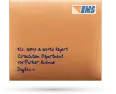
Package Example
Your order is carefully packed and ships within 24 hours. Here's the typical package.
Sized like a regular personal letter (9.4x4.3x0.3 inches), with no indication of its contents.
Front View
Side View
Back View
Shipping Times
Shipping Method
Estimated delivery
Express Free for orders over $300.00
Estimated delivery to the U.S.: 4-7 days
Standard Free for orders over $200.00
Estimated delivery to the U.S.: 14-21 days
Payment Methods
Discount Coupons
Independence Day - July 4, 2026 10%JULY410
Labor Day - September 7, 2026 7%LABOR07
Thanksgiving - November 26, 2026 9%THANKS09
FAQ
In the United States, disulfiram tablets are prescription-only medicines when purchased from local pharmacies. Our store policy allows you to order them without submitting a prescription, and the tablets can be sent by mail.
A short-term pill organizer can be practical, but keep the original labeled container for identification, lot, and expiration information. Protect tablets from moisture and light, and do not fill an organizer far in advance if it will be stored in a humid bathroom or other unsuitable location.
The manufacturer of the supplied product may vary. The manufacturer's name is shown on the product packaging.
Disulfiram tablets are taken by mouth, usually once daily, with or without food. Treatment should not start until at least 12 hours after the last alcohol intake, and the prescribed dose is selected for the individual; do not change it independently. Avoid alcohol in drinks, foods, medicines, and personal-care products during treatment and for up to 14 days after the last dose.
Description
Antabuse is the brand name for disulfiram, an oral tablet that has supported alcohol-abstinence programs for decades by making drinking physically unpleasant rather than by reducing cravings directly. We carry it in 250 mg and 500 mg tablets, the two strengths most commonly used in ongoing deterrent therapy. This article walks through how disulfiram works, what a typical course of treatment involves, and how the safety profile, interactions, and storage requirements shape everyday use, so that anyone considering it, or supporting someone who is, understands what to expect.
What Antabuse Is and Why It's Used
Disulfiram belongs to a small class of medicines called alcohol deterrents. Unlike naltrexone or acamprosate, which act on brain chemistry to blunt cravings or reward, disulfiram works by blocking the normal metabolism of alcohol and causing acetaldehyde to accumulate if alcohol is consumed. It is indicated as an aid for selected adults with chronic alcohol dependence who have already committed to abstinence and want a concrete deterrent to reinforce that decision. It is not a cure for alcohol use disorder and is not intended to be started during active, unplanned drinking; it works best as one part of a broader plan that usually includes counseling, peer support, or a structured recovery program. Readers who want to compare it with other approaches to alcohol dependence can browse our Alcoholism category for related treatment options.
Alcohol Use Disorder and the Role of a Deterrent
Alcohol use disorder is a chronic condition in which drinking continues despite health, social, occupational, or personal harm. Treatment goals vary, but disulfiram is intended for people pursuing abstinence rather than controlled drinking. It does not treat alcohol withdrawal, so anyone at risk of withdrawal symptoms such as tremor, sweating, agitation, hallucinations, or seizures needs appropriate medical assessment and withdrawal management before disulfiram is considered. The medicine is most useful when the person understands the consequences of drinking, agrees to treatment, and takes each dose consistently. Supervised dosing by a trusted family member, caregiver, or treatment program can improve adherence for some patients, but disulfiram should never be given secretly or without the person's full knowledge.
How Disulfiram Works in the Body
When alcohol is consumed normally, the liver breaks it down in two steps: alcohol dehydrogenase converts ethanol into acetaldehyde, and then aldehyde dehydrogenase converts acetaldehyde into acetate. Disulfiram and its metabolites inhibit that second enzyme, aldehyde dehydrogenase. With the enzyme blocked, acetaldehyde builds up in the blood, usually producing symptoms within about 10 to 30 minutes of drinking. This disulfiram-alcohol reaction can include flushing, throbbing headache, nausea, vomiting, chest tightness, rapid heartbeat, low blood pressure, sweating, and a sense of anxiety or dread. The reaction is intentionally unpleasant, and its severity generally tracks with how much alcohol is consumed and how much disulfiram is active in the body. Because enzyme activity recovers slowly, sensitivity to alcohol can continue for up to one to two weeks after the last tablet.
Evidence Behind Disulfiram Therapy
Clinical experience with disulfiram spans more than 70 years, making it one of the oldest pharmacologic tools for alcohol dependence still in use. Controlled trials, including the landmark US Department of Veterans Affairs cooperative study published in the late 1980s, found that supervised or highly motivated use was linked with more abstinent days, even though total abstinence rates did not always differ sharply from comparison groups. The consistent finding across decades of research is that disulfiram's practical effectiveness depends heavily on adherence and on the person's own motivation to avoid the reaction altogether. It therefore tends to work best when someone actively wants a deterrent in place rather than when treatment is imposed without buy-in. Modern guidelines still describe it as a reasonable option for selected, motivated patients, generally after medications such as acamprosate or naltrexone have been considered or found unsuitable for the individual.
Active Ingredient and Tablet Formulation
Each Antabuse tablet contains disulfiram as its sole active ingredient and is formulated as an immediate-release oral tablet. We offer 250 mg and 500 mg strengths, the two dosage points typically used during initial and maintenance therapy. There is no liquid, injectable, extended-release, or implant version in our current catalog; the oral tablet is the exact dosage form and route we supply. People who have difficulty swallowing a tablet should ask a pharmacist or prescriber about an appropriate administration method rather than altering it without guidance.
Strengths, Package Options, and General Dosing Principles
We stock disulfiram 250 mg tablets in packages of 90, 120, 180, 270, and 360 pills, and 500 mg tablets in packages of 60, 90, 120, 180, 270, and 360 pills, giving customers flexibility to match a package size to the length of therapy a prescriber has outlined. Under established US prescribing guidance, treatment may begin at up to 500 mg once daily for one to two weeks. The usual maintenance dose is 250 mg once daily, with an individualized maintenance range of 125 mg to 500 mg daily; the daily dose should not exceed 500 mg. The 125 mg figure describes a recognized clinical dose and is not an additional strength offered in our current package options.
Disulfiram must not be administered until the person has abstained from alcohol for at least 12 hours, and it should never be given to someone who is intoxicated or unaware that they are receiving it. The tablet is generally taken once daily, usually in the morning. If it causes drowsiness, a prescriber may advise taking it in the evening instead. It may be taken with or without food, but taking it consistently at the same time each day can make adherence easier. The prescriber determines the dose and duration according to response, tolerability, medical history, and the wider recovery plan; these general principles are not a personalized dosing recommendation.
Elimination and Half-Life
Disulfiram is absorbed from the gastrointestinal tract, distributed into fat and other tissues, and extensively metabolized in the liver into several active and inactive products, including diethyldithiocarbamate, diethylthiomethylcarbamate, and carbon disulfide. Some metabolites are eliminated in urine, while carbon disulfide may also be exhaled. The parent drug and its metabolites have complex, variable pharmacokinetics, so a single simple plasma half-life does not fully describe the duration of action. More importantly, inhibition of aldehyde dehydrogenase outlasts measurable blood concentrations. After treatment stops, the body can remain sensitized to alcohol for up to one to two weeks. This prolonged effect is why alcohol must still be avoided after the final dose and why disulfiram use should be disclosed before surgery, anesthesia, or a new medical procedure.
Important Safety Information
The central safety issue with disulfiram is the disulfiram-alcohol reaction. Anyone taking it needs to understand that even small amounts of alcohol can cause symptoms. Potential sources include certain cough syrups and liquid medicines, mouthwash, cooking wine, some sauces and vinegars, aftershave, and other alcohol-containing products. Labels should be checked carefully, and alcohol should be avoided during treatment and for up to 14 days after the last dose. A reaction can cause flushing, headache, nausea, vomiting, sweating, rapid heartbeat, breathing difficulty, and a marked drop in blood pressure. Severe reactions can include chest pain, abnormal heart rhythm, cardiovascular collapse, seizures, loss of consciousness, or death. Chest pain, severe shortness of breath, fainting, confusion, seizures, or loss of consciousness requires emergency medical care.
Disulfiram can also cause drowsiness and fatigue, particularly during the first two weeks of treatment. People should avoid driving or operating machinery until they know how the medicine affects them. Extreme caution is advised for people with diabetes mellitus, hypothyroidism, epilepsy, kidney disease, or liver disease. Safe use in pregnancy has not been established, so use requires a clinician's judgment that the probable benefit outweighs the possible fetal risk. It is unknown whether disulfiram is excreted in human milk; a clinical decision is needed about whether to discontinue nursing or discontinue the medicine. Safety and effectiveness in pediatric patients have not been established.
Monitoring During Treatment
A prescriber commonly reviews liver health before treatment and during therapy because disulfiram can rarely cause serious hepatitis. Baseline liver function tests and follow-up testing after roughly 10 to 14 days are commonly recommended, with additional monitoring guided by symptoms and clinical circumstances. Monitoring may also include adherence, alcohol exposure, mood or behavioral changes, numbness or tingling, and the response of any coexisting diabetes, seizure disorder, kidney disease, or thyroid condition. People taking warfarin or phenytoin may need additional laboratory or concentration monitoring because disulfiram can alter their effects.
Prescription Status and Ordering Antabuse
In the United States, disulfiram tablets are prescription-only medicines, meaning assessment by a licensed prescriber is the standard medical pathway to starting therapy. Our ordering process does not require a prescription document to be submitted before we accept an order. This is our ordering policy and does not change the medicine's prescription-only classification in the United States. We encourage anyone unsure whether disulfiram is appropriate for them to discuss it with a doctor first, since the deterrent reaction, contraindications, interactions, and monitoring needs make an individualized medical opinion important. The Antabuse name and listed strengths alone do not confirm that a particular product is currently FDA-approved or marketed under that exact brand in the United States; product-specific labeling can be checked in the National Library of Medicine's DailyMed database. Our support team is available 24/7 by email and online chat, with a pharmacist available to answer general questions about ordering, packaging, and shipping.
Who Should Not Take Disulfiram
Disulfiram is contraindicated for anyone with a known hypersensitivity to disulfiram or related thiuram derivatives, including compounds used in some pesticides and rubber vulcanization. People with a history of rubber contact dermatitis should be evaluated for possible thiuram sensitivity. It must not be used while a person is intoxicated or consuming alcohol, and it is contraindicated with alcohol-containing preparations, metronidazole, and paraldehyde. It is also contraindicated in severe myocardial disease or coronary occlusion and in psychosis.
Liver impairment is not listed in the same formal contraindication category, but disulfiram must be used with extreme caution in hepatic cirrhosis or insufficiency because serious liver injury can occur. Similar caution applies to diabetes mellitus, hypothyroidism, epilepsy, cerebral damage, and chronic or acute kidney inflammation. A prescriber should review these conditions, the person's mental health history, and all current medicines before treatment begins.
Drug and Substance Interactions
Disulfiram interacts with substances beyond beverage alcohol. It can inhibit phenytoin metabolism and increase phenytoin concentrations, so levels and clinical effects may need to be checked and the phenytoin dose adjusted. It can prolong the effect of warfarin and increase bleeding risk; coagulation monitoring and warfarin dose adjustment may be required when disulfiram is started or stopped. Combining disulfiram with metronidazole can cause confusion or psychotic reactions and is contraindicated. Isoniazid used with disulfiram can produce unsteady walking or marked changes in mental state, which requires prompt clinical review.
Disulfiram can reduce the clearance of some benzodiazepines, particularly diazepam and chlordiazepoxide, potentially increasing sedation; a clinician may choose an alternative that is less affected. Alcohol-containing liquid medicines, tonics, mouthwash, sauces, toiletries, and topical products can also be relevant. Anyone taking disulfiram should check labels and tell every prescriber, dentist, and pharmacist about the treatment before starting a medicine or undergoing a procedure.
Common and Serious Side Effects
Outside an alcohol reaction, disulfiram most commonly causes a metallic or garlic-like taste, mild drowsiness, fatigue, headache, and occasional gastrointestinal upset such as nausea or stomach discomfort, especially during the first couple of weeks. Skin reactions, including acneiform eruptions, allergic dermatitis, or rash, can occur. Some people experience temporary mood or behavioral changes. Mild early effects may improve as treatment continues, but persistent or troublesome symptoms should be discussed with a clinician rather than managed by changing the dose without guidance.
Less common but more serious effects include peripheral neuropathy, optic neuritis, psychotic reactions, and potentially severe liver injury. Warning signs of hepatitis include unusual fatigue, weakness, loss of appetite, nausea, vomiting, yellowing of the skin or eyes, dark urine, or pale stools. Persistent numbness or tingling, vision changes, severe confusion, hallucinations, or signs of an allergic reaction such as facial swelling or difficulty breathing also require prompt medical attention. A person with possible liver injury or another serious reaction should stop taking the medicine and obtain urgent clinical advice.
Overdose and Accidental Exposure
Taking more disulfiram than intended can cause vomiting, drowsiness, impaired coordination, abnormal behavior, neurological symptoms, or reduced consciousness. There is no specific home treatment, and symptoms may be delayed. In the United States, a suspected overdose should be reported promptly to Poison Control or evaluated in an emergency department; severe symptoms such as seizures, breathing difficulty, collapse, or loss of consciousness require emergency services immediately.
A severe disulfiram-alcohol reaction is also a medical emergency. It can cause dangerously low blood pressure, abnormal heart rhythm, respiratory depression, cardiovascular collapse, seizures, or unconsciousness. Hospital treatment is supportive and may include oxygen, intravenous fluids, cardiac monitoring, and treatment of complications. Anyone caring for a person with severe symptoms should seek emergency help rather than waiting for the reaction to pass.
Storage
Store disulfiram tablets at 68°F to 77°F, with brief excursions permitted between 59°F and 86°F. Keep the tablets in a tightly closed container away from light and moisture, and keep them out of reach of children. Do not use tablets that are expired, damaged, or stored in unsuitable conditions. Unused or expired tablets are best disposed of through a medicine take-back program when one is available rather than kept indefinitely or given to another person.
Benefits and Trade-offs of Disulfiram Therapy
The main advantage of disulfiram is its simplicity as a deterrent: one daily tablet creates a clear potential consequence for drinking, which some people find easier to plan around than a craving-reduction strategy that works more subtly in the background. The medicine does not produce physical dependence, and its long duration of alcohol sensitivity can reinforce abstinence even when a dose has recently been missed. Its long history of use also means that its major risks, interactions, and practical limitations are well characterized.
The central trade-off is that disulfiram depends heavily on motivation and adherence. It does not directly reduce cravings or treat withdrawal, and stopping treatment removes its continuing deterrent once enzyme activity recovers. Deliberately drinking while taking it can be dangerous rather than merely uncomfortable. Hidden alcohol in medicines or household products adds a practical burden, and liver, cardiovascular, neurological, and psychiatric risks make it unsuitable for some people. These limitations explain why treatment usually works best with informed consent, medical review, ongoing support, and a broader recovery plan.
Antabuse, Generic Disulfiram, and Other Treatments
Antabuse and generic disulfiram contain the same active ingredient and use the same alcohol-deterrent mechanism. Approved generic products are expected to meet applicable standards for pharmaceutical equivalence and bioavailability, although inactive ingredients, tablet appearance, manufacturer, and packaging can differ. A switch between products should preserve the prescribed dose, but anyone with allergies or sensitivity to excipients should check the specific product information.
Other medicines for alcohol use disorder work differently. Naltrexone blocks opioid receptors and can reduce alcohol's rewarding effects and heavy-drinking risk, but it is unsuitable for people currently using opioids and requires attention to liver health. Acamprosate supports abstinence by modulating neurotransmission altered by chronic alcohol exposure; it is taken several times daily and is unsuitable in severe kidney impairment. Nalmefene is used in some countries to reduce alcohol consumption but is not a direct equivalent to disulfiram. These alternatives do not reproduce the disulfiram-alcohol reaction. The most appropriate choice depends on whether the goal is abstinence or drinking reduction, prior treatment response, likely adherence, opioid use, kidney and liver function, cardiovascular and psychiatric history, and personal preference. A prescriber can weigh those differences and determine whether a deterrent, a craving-focused medicine, or a non-drug approach best fits the treatment plan.
Before I place my order, how can I tell how many disulfiram tablets are in each package?
A
Answered by Support team
Choose from the package quantities listed with the product: 60, 90, 120, 180, 270, or 360 tablets. The selected quantity should be shown with the option before you add it to your order.
Q
Asked by Nicholas M, Los Angeles, United States
Will the disulfiram package include instructions in English?
A
Answered by Support team
The leaflet language for a specific package is not confirmed before shipment. Check the package insert when it arrives, and use the package label and current US disulfiram prescribing information to verify instructions.
Q
Asked by Cynthia V, Austin, United States
I used disulfiram in a different form in the past. What form do you sell?
A
Answered by Support team
This product is supplied as oral tablets. The available tablet strengths are 250 mg and 500 mg.
Q
Asked by Susan F, Phoenix, United States
I found what looks like the same generic at another online store for about half the price. Why should I order from you?
A
Answered by Support team
We stand behind the quality of the generic medicines we offer. We cannot verify another seller's sourcing, manufacturer, handling, or whether a lower-priced listing is truly equivalent; a similar name and price do not establish the same origin or product quality. The choice is yours, but it is reasonable to decide whether the savings outweigh that uncertainty.
Q
Asked by Thomas W, Boston, United States
I drive for work. Can disulfiram affect my ability to drive?
It can cause drowsiness or fatigue, particularly early in treatment, and some people may have other effects that impair driving. Do not drive or operate machinery if you feel sleepy, dizzy, fatigued, or otherwise impaired.