Motilium contains domperidone 10 mg in an oral film-coated tablet. We offer one strength in quantities ranging from 10 to 360 tablets. The appropriate quantity should match the dose and shortest treatment duration advised for you, with particular attention to heart-rhythm risks and interacting medicines.
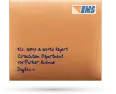
Your order is carefully packed and ships within 24 hours. Here's the typical package.
Sized like a regular personal letter (24x11x0.7 cm), with no indication of its contents.
Front View
Side View
Back View
Shipping Times
Shipping Method
Estimated delivery
Express Free for orders over C$427.75
Estimated delivery to Canada: 4-7 days
Standard Free for orders over C$285.17
Estimated delivery to Canada: 14-21 days
Payment Methods
Discount Coupons
Victoria Day - May 18, 2026 8%VICTORIA8
Canada Day - July 1, 2026 10%CANADADAY10
Labour Day - September 7, 2026 6%LABOUR6
Thanksgiving (Canada) - October 12, 2026 9%THANKS9
Boxing Day - December 26, 2026 12%BOXING12
Brand Names
Also known as (by country):
Country
Brand Names
Canada
Apo-DomperidoneTeva-Domperidone
France
Peridys
Italy
Peridon
Belgium
DocdomperiDomperitopZilium
FAQ
A prescription is required to obtain domperidone from local pharmacies in Canada. However, PocketDrugGuide's store policy allows you to order these domperidone 10 mg film-coated tablets without a prescription and have them sent by mail.
Take the missed dose when you remember unless it is nearly time for the next dose. If it is nearly time, skip the missed dose and return to the usual schedule; do not take two doses together to make up for one missed dose.
The manufacturer of the supplied product may vary. The manufacturer's name is shown on the product packaging.
Store the tablets below 30 °C in their original package, protected from light and moisture. Keep them out of the reach of children and do not use tablets that are damaged or past their expiry date.
Domperidone is a dopamine-antagonist antiemetic used mainly for short-term relief of nausea and vomiting. It also has prokinetic effects, meaning it can help promote stomach emptying and gastrointestinal movement in appropriate clinical situations.
These tablets are taken by mouth, preferably 15 to 30 minutes before meals. For adults, a common regimen is 10 mg up to three times daily, with a maximum of 30 mg per day and use at the lowest effective dose for the shortest possible time; the individual regimen should follow the prescriber's directions.
Description
Peripheral action is Motilium's key distinction
Motilium contains domperidone, an antiemetic and gastrointestinal motility medicine that blocks dopamine receptors. It enters the brain only to a limited extent compared with some other dopamine-blocking antiemetics, so sedation and movement-related adverse effects may be less prominent. They can still occur, however, and this difference does not make domperidone the safest choice for everyone.
The main trade-off is cardiac safety. Domperidone is associated with QT-interval prolongation, serious ventricular arrhythmias, and, rarely, sudden cardiac death. The risk is higher at total daily doses above 30 mg, in people older than 60 years, and in those with heart disease, electrolyte abnormalities, or interacting medicines. Any decision about Motilium therefore needs to balance its potential benefit for the specific cause of symptoms against these risks, rather than focusing only on whether it is less sedating than another antiemetic.
Product identity and form
Our Motilium listing is for oral film-coated tablets containing 10 mg of domperidone per tablet. We currently offer this product in one strength and do not list a liquid, orally disintegrating, or modified-release version under this product page. A plan that calls for another strength or dosage form does not match this listing.
Domperidone is a dopamine-antagonist antiemetic that can also promote movement through the upper digestive tract. Depending on the cause and the prescriber's assessment, it may be considered for nausea, vomiting, or symptoms associated with delayed stomach emptying. These symptoms can have many causes, and domperidone is not an appropriate treatment for all of them. Persistent vomiting, unexplained weight loss, gastrointestinal bleeding, severe abdominal pain, dehydration, or worsening symptoms require clinical assessment rather than repeated self-treatment.
Who might consider domperidone?
Suitability depends on more than the presence of nausea. Relevant decision factors include the likely cause of symptoms, age, heart health, other medicines, and whether a fixed 10 mg tablet fits the intended dose.
Adults: Domperidone may be considered when its anti-nausea or gastrointestinal motility effects fit the clinical problem, but cardiac risks must be reviewed first.
People older than 60 years: Age is an important risk factor for serious ventricular arrhythmias and sudden cardiac death associated with domperidone.
People with heart or electrolyte problems: A history of abnormal heart rhythms, QT prolongation, significant heart disease, fainting, slow heart rate, or low potassium or magnesium can make domperidone unsuitable.
People with diabetes: Diabetes does not itself create a domperidone-specific metabolic restriction, but symptoms attributed to delayed stomach emptying still need an appropriate diagnosis and treatment plan.
People with allergies: An unrelated allergy history is not automatically a restriction. Motilium must not be used by someone with known hypersensitivity to domperidone or another tablet ingredient.
Children: Paediatric use requires weight-based assessment. A fixed 10 mg tablet is generally unsuitable for smaller children and should not be selected by adapting an adult routine without professional direction.
Pregnancy also requires an individual benefit-risk assessment because human data are limited. Domperidone passes into breast milk, and Canadian labelling does not recommend its use in nursing women. Health Canada has also warned against off-label domperidone use to stimulate milk production because of the risk of QT prolongation and serious ventricular arrhythmia.
How does domperidone work?
Domperidone blocks dopamine receptors in the upper digestive tract, helping coordinate the contractions that move food onward from the stomach. It also acts at the chemoreceptor trigger zone, an area involved in initiating nausea and vomiting that is more accessible to domperidone than deeper brain structures. These combined effects explain why it can address both nausea signalling and certain symptoms related to slow stomach emptying.
This mechanism does not establish the cause of a person's symptoms. Nausea caused by an infection, migraine, medicine, bowel obstruction, vestibular disorder, pregnancy, chemotherapy, or another condition may need a different approach. Domperidone should therefore be selected for a defined reason, not simply because it belongs to the broad antiemetic category.
A routine built around the prescribed plan
Take Motilium exactly as directed by the prescriber or pharmacist. Domperidone is commonly timed before meals because food can delay its absorption, but the exact timing and frequency should come from the treatment instructions supplied for the individual. Do not take extra tablets because symptoms continue, and do not exceed a total daily amount of 30 mg.
The central safety principle is to use the lowest effective dose for the shortest necessary duration. Domperidone should not be turned into an open-ended routine without reassessment. If a dose is missed, do not double the next dose; follow the missed-dose instructions provided with the medicine or ask a pharmacist what to do.
Store the tablets below 30°C in the original package to protect them from light and moisture. Keep them out of the reach of children, and do not use tablets past the expiry date shown on the package.
Which quantity fits the treatment plan?
Every Motilium option we offer contains the same 10 mg film-coated tablet, so quantity does not change the strength or provide a way to adjust the dose. We offer quantities of 10, 20, 30, 60, 90, 120, 180, 270, and 360 tablets. The appropriate choice is the quantity that matches the intended dose and treatment duration, not automatically the lowest cost per tablet or the longest possible supply.
A smaller quantity may align with a short, defined course, while a larger quantity is relevant only when the planned duration genuinely calls for it. Large quantities should not be used to support prolonged treatment without review, particularly because cardiac risk and interacting medicines can change over time. Before choosing, calculate the required number of tablets from the directions you have been given and avoid ordering extra tablets as a substitute for reassessment.
Expected response and follow-up
Response varies with the cause of the symptoms, dose timing, treatment duration, and other health factors. Domperidone is generally timed before meals so it is available when its effects on upper gastrointestinal motility are needed, but no precise relief time can be promised for an individual. A lack of immediate improvement is not a reason to increase the dose or take doses closer together.
Keep track of whether nausea, vomiting, fullness, or other targeted symptoms are actually improving. If treatment is ineffective, symptoms return repeatedly, or continued use seems necessary beyond the original plan, seek advice from a prescriber or pharmacist. Domperidone cannot be expected to resolve nausea from every cause, and suppressing symptoms for an extended period can delay evaluation of the underlying problem.
Cardiac safety and other adverse effects
The most important concern is an abnormal heart rhythm. Risk is greater with daily doses above 30 mg, age over 60 years, existing cardiac disease, QT prolongation, electrolyte imbalance, and medicines that increase domperidone exposure or independently affect cardiac rhythm.
Stop taking domperidone and seek urgent medical attention for symptoms that may indicate a serious reaction, including:
a fast, pounding, or irregular heartbeat;
fainting, collapse, or severe unexplained dizziness;
chest discomfort accompanied by palpitations or weakness;
swelling of the face or throat, difficulty breathing, or another sign of a severe allergic reaction; or
unusual involuntary movements or a severe neurological reaction.
Other possible adverse effects include dry mouth, headache, dizziness, drowsiness, abdominal discomfort, and diarrhoea. Domperidone can also increase prolactin, which may cause breast tenderness, breast enlargement, milk discharge, or menstrual changes. Because dizziness or drowsiness can occur, avoid driving or operating machinery until you know how the medicine affects you.
Interactions and organ-function precautions
A medication review is essential before domperidone is started. The medicine is substantially metabolized through the CYP3A4 enzyme pathway, and some medicines can raise its concentration. Combining that effect with another medicine that prolongs the QT interval can further increase the risk of a dangerous arrhythmia.
Strong CYP3A4 inhibitors: Certain azole antifungals, macrolide antibiotics, antiviral medicines, and other strong inhibitors can substantially increase domperidone exposure. Some combinations are contraindicated.
QT-prolonging medicines: Some antiarrhythmics, antipsychotics, antidepressants, antibiotics, and other medicines can add to domperidone's cardiac effects.
Medicines or conditions that alter electrolytes: Diuretics, severe vomiting or diarrhoea, and other causes of low potassium or magnesium may heighten arrhythmia risk.
Liver impairment: Domperidone is contraindicated in moderate or severe hepatic impairment rather than being merely a situation that requires casual monitoring.
Kidney impairment: Severe renal impairment can affect repeat dosing and may require a reduced dosing frequency during longer treatment.
This is not a complete interaction list. Provide the prescriber or pharmacist with all prescription medicines, non-prescription products, and supplements being used. Do not rely on spacing doses apart to solve a contraindicated interaction.
Alternatives depend on the cause of nausea
Metoclopramide, ondansetron, prochlorperazine, promethazine, and cyclizine are among the antiemetics that may be considered in different circumstances. They do not simply replace domperidone tablet for tablet. Their mechanisms, indications, sedating effects, neurological risks, cardiac cautions, and suitability in pregnancy or other health conditions differ.
The following comparisons are conditional decision aids. They can help identify questions to discuss with a prescriber or pharmacist, but they do not establish that one medicine is universally safer or more effective.
Motilium vs Reglan
Feature
Motilium
Reglan
Active ingredient
Domperidone
Metoclopramide
Therapeutic class
Dopamine antagonist
Dopamine antagonist + 5-HT4 agonist
Common use
Nausea and vomiting
Nausea, vomiting, gastroparesis
Dosage form
Film-coated tablet
Tablet
Available strengths
10 mg
10 mg
Compare these antiemetic options
Motilium vs Ondansetron ODT
Attribute
Motilium
Ondansetron ODT
Active ingredient
Domperidone
Ondansetron
Dosage form
Film-coated tablet
Orally disintegrating tablet
Administration
Swallowed whole with water
Dissolves on tongue, no water needed
Route
Oral
Oral
Available strengths
10 mg
4 mg, 8 mg
Compare tablet and orally disintegrating forms
Motilium vs Meclizine
Feature
Motilium
Meclizine
Active ingredient
Domperidone
Meclizine
Mechanism
Dopamine antagonist
Antihistamine (H1 antagonist)
Common use
Nausea and vomiting
Motion sickness, nausea
Dosage form
Film-coated tablet
Tablet
Available strengths
10 mg
25 mg
Sedation risk
Low
May cause drowsiness
Compare different mechanisms for nausea relief
When comparing options, start with the cause of the symptoms and the risks that matter most for the individual. A medicine associated with less sedation may still be unsuitable because of cardiac risk, while an alternative with a different mechanism may have cautions of its own.
Is a prescription required in Canada?
Domperidone products, including 10 mg tablets, are prescription medicines in Canada and require authorization from a prescriber when dispensed through the Canadian prescription-drug system. That regulatory classification is separate from our ordering policy.
Under our current policy for this product, we do not require a prescription document to accept a Motilium order through our checkout. This does not change domperidone's Canadian classification, confirm that the medicine is suitable for a particular person, or replace clinical advice. Given the cardiac contraindications and interaction risks, involving a prescriber or pharmacist remains important even though our checkout does not request that document.
Our ordering and support process
After selecting the required quantity, review the product strength and tablet count carefully before submitting the order through our checkout. Our site uses Canadian dollars. We do not list another strength under this product page, so changing the quantity does not change the 10 mg dose in each tablet.
We have supported customers through PocketDrugGuide since 2018. Our pharmacist-supported team is available 24/7 by email and online chat for questions about the product information, the quantities we offer, or our ordering process. Because no specific shipping or delivery estimate is supplied for this listing, customers should obtain current practical information from our support team rather than relying on an assumed arrival date.
When an order is received, check that the product name, 10 mg strength, tablet quantity, and package information match the order before use. Do not use a package that appears damaged, has unclear labelling, or does not match what was ordered; contact our support team instead.
The decision in summary
Motilium offers domperidone as a 10 mg oral film-coated tablet. Its limited entry into the brain may make sedation and movement-related effects less prominent than with some centrally acting dopamine antagonists, but its cardiac risk is the decisive limitation. Age over 60 years, heart disease, QT prolongation, electrolyte abnormalities, liver impairment, and interacting medicines can materially change whether it is appropriate.
We offer one strength in nine tablet quantities. Choose among them according to the defined dose and shortest intended treatment duration, not as a way to alter the strength or extend treatment without review. Domperidone's prescription status in Canada remains distinct from our policy of accepting an order without a prescription document. Before ordering, confirm that the medicine, strength, quantity, and planned duration fit the clinical advice relevant to your situation.
My order arrived in Kitchener, but the outer seal looks torn. Can I still take the tablets if the blister pack seems intact?
A
Answered by Support team
Do not use the tablets until the packaging discrepancy has been checked. Keep the package and inspect the blister cavities, tablet condition, active ingredient, strength, lot number, and expiry date; a torn seal or uncertain package integrity should be resolved before use.
Q
Asked by Amelia, Windsor, Canada
I'm ordering from Windsor and need to read the instructions in English. Will the package leaflet definitely be in English?
A
Answered by Support team
The leaflet language for a specific package is not confirmed and may vary. Check the package when it arrives, and use the label details to obtain or verify English instructions before taking the tablets if needed.
Q
Asked by Priya, Barrie, Canada
I'm pregnant and have been feeling nauseated. Can I start taking these domperidone 10 mg tablets?
Do not start domperidone during pregnancy without an individual assessment from your prescriber. Human pregnancy data are limited, and it should be used only when the expected benefit justifies the potential risk.
Product specifications
Active ingredient
Domperidone
Drug class
Dopamine antagonist antiemetic
Dosage form
Film-coated tablet
Available strengths
10 mg
Route
Oral
Storage
Store below 30°C in the original package to protect from light and moisture.
ATC code
A03FA03
Regulatory information
Market AuthorizationDomperidone is officially approved for human medicinal use in Canada.
Dispensing RequirementThis film-coated tablet is a prescription drug and requires an authorized healthcare practitioner's prescription.














 Belgium