Motilium contains domperidone 10 mg in an oral film-coated tablet for short-term treatment of nausea and vomiting in adults. We offer quantities from 10 to 360 tablets; select a quantity that matches the treatment plan agreed with your prescriber.
Your order is carefully packed and ships within 24 hours. Here's the typical package.
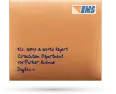
Sized like a regular personal letter (24x11x0.7 cm), with no indication of its contents.
Front View
Side View
Back View
Delivery Times
Delivery Method
Estimated delivery
Express Free for orders over A$430.25
Estimated delivery to Australia: 4-7 days
Standard Free for orders over A$286.83
Estimated delivery to Australia: 14-21 days
Payment Methods
Discount Coupons
Australia Day - 26 January 2026 10%AUSDAY10
Labour Day - 2 March 2026 6%LABOUR6
ANZAC Day - 25 April 2026 8%ANZAC8
King's Birthday - 8 June 2026 7%KING7
Boxing Day - 26 December 2026 12%BOXING12
Brand Names
Also known as (by country):
Country
Brand Names
Canada
Apo-DomperidoneTeva-Domperidone
FAQ
Domperidone is a Schedule 4 prescription-only medicine, so a prescription is required when buying it from an Australian pharmacy. Our store policy allows you to order these domperidone 10 mg film-coated tablets without a prescription and have them sent by mail.
Domperidone can cause dizziness or drowsiness in some people. Do not drive, operate machinery or do work requiring alertness if you feel affected, especially when first taking the medicine.
The active ingredient is domperidone 10 mg, but the exact colour, shape, size, imprint and packaging of the supplied tablets cannot be guaranteed in advance. A different appearance alone does not mean a medicine is incorrect; check the package label for the active ingredient, strength and dosage form.
Store the tablets below 30 °C in their original package, protected from light and moisture. Keep them out of reach of children and check the expiry date on the package before use.
These tablets are taken by mouth, preferably 15-30 minutes before meals. For adults and adolescents aged 12 years or older who weigh at least 35 kg, the usual general regimen is 10 mg up to three times daily, with a maximum of 30 mg daily and usually no more than 7 days. Use the lowest effective dose for the shortest time and follow the directions provided for your treatment.
Domperidone is a dopamine-antagonist antiemetic used for short-term relief of nausea and vomiting. It can also increase stomach movement, but it is not suitable for every cause of stomach symptoms and has important heart-rhythm precautions.
Description
Motilium 10 mg at a glance
Motilium is an oral film-coated tablet containing 10 mg of domperidone. It is an anti-nausea medicine, also known as an antiemetic, used for the short-term treatment of nausea and vomiting in adults. The practical buying decision is therefore specific: this product suits a treatment plan calling for a fixed-strength 10 mg tablet, not a liquid or a tablet of another strength.
We offer Motilium in one strength and dosage form, with quantity options ranging from 10 to 360 tablets. The quantity selected should follow the dose and duration set by a prescriber rather than determine them. Domperidone should be used at the lowest effective dose for the shortest necessary time because it can affect the heart's electrical rhythm, especially in people with additional risk factors.
Product identity and clinical role
Each Motilium tablet contains 10 mg of domperidone and is intended to be swallowed for oral administration. Domperidone belongs to a group of medicines called dopamine antagonists. It has both antiemetic and prokinetic actions: it can reduce nausea and vomiting signals while influencing movement in the upper digestive tract.
Those actions do not make Motilium suitable for every cause of nausea. Symptoms can arise from infection, migraine, medicines, pregnancy, motion sickness, bowel conditions or other causes, and the best treatment depends on the underlying problem. Motilium should not be chosen solely because nausea is present. Its role, dose and duration should be confirmed by a clinician who can consider the likely cause and the person's cardiac and medicine history.
The 10 mg strength is the strength of each tablet, not a universal dose. The number of tablets taken and the timing of doses must follow the prescribed directions and current product information.
Who may consider Motilium?
Motilium may be considered for an adult whose clinician has recommended short-term domperidone for nausea and vomiting. The decision requires more than matching a symptom to a product name because cardiac risk, other medicines and the suitability of a fixed-strength tablet can all change the balance of benefits and risks.
Adults with short-term nausea or vomiting: this is the main group for whom the supplied 10 mg tablet is intended, provided no contraindication or important interaction is present.
Older adults: age can increase vulnerability to QT-interval prolongation and serious abnormal heart rhythms, so dose, duration and interacting medicines need particularly careful review.
Children and adolescents: paediatric dosing is weight-based. A fixed 10 mg tablet is unsuitable for smaller children, including those below about 35 kg, for whom a suitable liquid formulation may be needed. A clinician must choose the formulation and dose.
Pregnant people: human pregnancy data are limited. Domperidone should be used only when a clinician considers that the expected benefit justifies the potential risk.
People who are breastfeeding: small amounts pass into breast milk. Use requires an individual assessment, particularly if the infant has risk factors for QT prolongation.
People taking regular medicines: a doctor or pharmacist should review the complete medicine list because some combinations can substantially increase domperidone exposure or cardiac risk.
A previous allergy to domperidone or any tablet ingredient rules out use. An unrelated or unspecified allergy does not automatically do so, but the ingredients should still be checked before treatment.
How does domperidone work in practice?
Domperidone blocks dopamine receptors, mainly outside the central nervous system. In the area involved in vomiting signals, this can reduce nausea and the urge to vomit. Its action in the upper digestive tract can also promote coordinated movement of stomach contents.
Domperidone enters the brain less readily than metoclopramide and some older antiemetics. As a result, central nervous system effects such as drowsiness or movement-related reactions may be less prominent, but they are not impossible. Some people experience dizziness or sleepiness and should not drive or operate machinery until they know how the medicine affects them.
The prokinetic action should not be interpreted as a reason to self-treat unexplained abdominal symptoms. Increasing gut movement may be unsafe when there is gastrointestinal bleeding, obstruction or perforation. Severe pain, abdominal swelling, blood in vomit or stool, fainting, dehydration or persistent vomiting needs prompt medical assessment rather than another dose.
A practical short-term routine
Take Motilium exactly as directed by the prescriber and the product information. Domperidone is commonly directed for use before meals because food can affect how quickly it is absorbed, but the instructions supplied for the individual treatment plan should take priority. Keep the timing consistent and do not take extra tablets to make up for a missed dose unless a clinician has specifically advised this.
The film-coated tablet provides a fixed 10 mg unit. Do not improvise a lower, weight-based or otherwise altered regimen from this product without professional advice. A person who cannot swallow the tablet or who needs a more flexible dose should discuss another formulation rather than assume this tablet can meet that need.
Treatment should have a clear purpose and endpoint. Continuing because tablets remain in a pack is not an appropriate basis for extending a course. If symptoms persist, repeatedly return or worsen, the cause and treatment need reassessment. Increasing the dose or prolonging treatment without review can increase risk without addressing the reason for ongoing nausea or vomiting.
Keep a current list of prescription medicines, non-prescription products and supplements. This makes it easier for a doctor or pharmacist to identify combinations that may alter heart rhythm or domperidone levels.
Choosing among the quantities we offer
We currently offer Motilium 10 mg tablets in quantities of 10, 20, 30, 60, 90, 120, 180, 270 and 360 tablets. These are ordering quantities, not recommended course lengths. A larger quantity does not mean that prolonged or continuous use is appropriate, and a smaller quantity does not establish the correct dose.
Confirm the prescribed regimen first. The intended number of doses and treatment duration provide the soundest basis for selecting a quantity.
Allow for clinical review. When a prescriber wants to assess response or tolerability after a short course, a smaller quantity may align more closely with that plan.
Do not stock up for unexplained recurring symptoms. Repeated nausea or vomiting may require investigation rather than repeated self-treatment.
Check the product identity. Every option on this page is for Motilium 10 mg film-coated tablets; we do not offer a liquid or another strength as an option for this product.
Our range of quantities provides flexibility at checkout, but the medicine's cardiac precautions remain the same for every option. Choose according to an established treatment plan rather than price per tablet or the convenience of having excess tablets available.
What outcomes and timing should you expect?
Domperidone is intended to reduce nausea and vomiting, but the extent and timing of relief vary with the cause of the symptoms, the individual response and whether the treatment is clinically appropriate. It should not be presented as a guaranteed or instant solution. Some people may notice improvement after a dose, while others may obtain little benefit if the cause of their symptoms does not respond to domperidone.
The useful outcome is not simply being able to continue taking tablets. It is improvement during a short, appropriately directed course without unacceptable adverse effects. If vomiting prevents fluids from being retained, signs of dehydration develop, symptoms are severe or treatment is not working, seek medical advice rather than increasing the dose or continuing indefinitely.
Palpitations, fainting, marked dizziness or a fast or irregular heartbeat require urgent medical attention because they may indicate a serious rhythm disturbance. These symptoms should not be treated as an expected adjustment period.
Cardiac and other safety priorities
The most important safety issue with domperidone is QT-interval prolongation. The QT interval is part of the heart's electrical cycle; excessive prolongation can lead to serious ventricular arrhythmias. Risk is greater with higher exposure, longer or excessive dosing, older age, existing heart disease, disturbed potassium or magnesium levels and medicines that have similar effects.
Discuss any history of an abnormal heart rhythm, heart failure, fainting or a known prolonged QT interval before taking Motilium.
Tell the clinician about significant diarrhoea, vomiting or medicines such as diuretics that may contribute to low potassium or magnesium.
Moderate or severe liver impairment can alter clearance of domperidone and requires specific medical assessment.
Do not use domperidone when stimulation of gastrointestinal movement could be dangerous, including suspected obstruction, perforation or gastrointestinal bleeding.
Do not take it after a previous allergic reaction to domperidone or a tablet ingredient.
Domperidone may increase prolactin. Effects can include breast discomfort, milk production or menstrual changes, and persistent or concerning effects should be discussed with a clinician. Neurological effects are less common than with some dopamine-blocking medicines that enter the brain more readily, but unusual movements, severe restlessness or pronounced sleepiness still warrant advice.
People with diabetes do not have a specific domperidone-related glucose-monitoring requirement in the supplied Australian product information. However, nausea and vomiting can disrupt eating, fluid intake and medicine routines, so an individual diabetes management plan may still need adjustment during illness.
Interactions and everyday precautions
Domperidone is metabolised through pathways that can be strongly inhibited by other medicines. An inhibitor may raise the amount of domperidone in the body and increase the risk of QT prolongation. Other medicines may prolong the QT interval independently, creating an additive risk even when they do not affect domperidone metabolism.
Certain azole antifungals and macrolide antibiotics can cause important interactions.
Some medicines for heart rhythm, mental health conditions, infections and other illnesses can also prolong the QT interval.
Medicines that activate dopamine receptors may oppose some effects of a dopamine antagonist.
New medicines prescribed during a Motilium course should be checked rather than assumed to be compatible.
This is not a complete interaction list. Give a doctor or pharmacist the names and doses of everything being taken, including non-prescription medicines and supplements. Do not stop an essential regular medicine solely because an interaction is possible; a clinician should decide whether Motilium, the other medicine or the treatment schedule needs to change.
Dizziness or sleepiness can affect driving and the use of machinery. Wait until the personal response is clear. Alcohol may make dizziness or drowsiness more troublesome for some people, so caution is sensible even though sedation is not domperidone's defining effect.
How does Motilium compare with alternatives?
The best anti-nausea medicine depends on the cause, required formulation, contraindications and previous response. Brand preference alone is not enough to establish which option is safest or most effective.
A generic 10 mg domperidone film-coated tablet contains the same active ingredient at the same strength and has the same core pharmacological action as Motilium. Differences may include the manufacturer, inactive ingredients, appearance and package presentation. These details can matter when a person has an ingredient allergy or needs to identify a familiar product, but they do not remove domperidone's cardiac precautions.
Metoclopramide also has dopamine-blocking and prokinetic effects, but it enters the central nervous system more readily and has a different adverse-effect profile, including a greater concern about movement-related reactions. Ondansetron acts on serotonin receptors rather than dopamine receptors and is used in clinical settings such as chemotherapy-related or postoperative nausea. Antihistamine-type medicines may be considered for motion-related symptoms. These alternatives are not interchangeable simply because each can be described as an antiemetic.
Motilium and ondansetron: key differences
Compare
Motilium
Ondansetron
Active ingredient
Domperidone
Ondansetron
Medicine class
Dopamine receptor antagonist
5-HT3 receptor antagonist
Common use
Nausea and vomiting
Nausea and vomiting, including after surgery or chemotherapy
Dosage form
Film-coated tablet
Tablet
Effect on gut motility
Increases stomach emptying
No direct effect on gut movement
Available strengths
10 mg
4 mg, 8 mg
Compare how these medicines work before discussing a change with your clinician.
A prescriber should choose among these options after considering the likely cause of the symptoms, cardiac risk, neurological risk, other medicines and the formulation required. Do not substitute another antiemetic at checkout on the assumption that it offers equivalent dosing or safety.
Australian access and our ordering policy
In Australia, domperidone is a Schedule 4 prescription-only medicine. Motilium 10 mg tablets are included in the Australian Register of Therapeutic Goods, and the listing identifies Janssen-Cilag Pty Ltd as the Australian sponsor. The Therapeutic Goods Administration monitors medicine safety, including the recognised cardiac risks associated with domperidone.
That Australian regulatory classification is separate from our product-specific ordering requirement. Under our current ordering policy, we do not require a customer to upload a prescription document at checkout for this product. This checkout setting does not change Motilium's Schedule 4 status in Australia, replace advice from an authorised prescriber or establish that domperidone is appropriate for an individual.
Because the medicine has clinically important contraindications and interactions, medical assessment remains especially relevant even though our checkout does not request a prescription upload. Customers should follow the laws and professional directions that apply to them.
Ordering, support and storage
When an appropriate treatment plan has been established, select Motilium 10 mg and the quantity that corresponds to that plan. Our listed options run from 10 to 360 tablets. Review the strength, tablet count and delivery details shown during our checkout before confirming the order; do not rely on the appearance of a previous pack because presentations can differ.
Our support team is available 24/7 by email and online chat for help with our product listing or ordering process. Pharmacist support is also available for medicine-related questions. Support can clarify the product we offer, but it cannot diagnose the cause of nausea or replace an individual assessment by the treating clinician.
After receiving the tablets, keep them in the original package below 30°C to protect them from light and moisture. Store them where children cannot reach them, and do not use tablets after the stated expiry date or if the packaging appears damaged. Unused medicine should be disposed of according to advice from a pharmacist rather than kept for an unrelated future illness.
Is this the right Motilium option for your plan?
Motilium on this page is a specific product: domperidone 10 mg in an oral film-coated tablet. It may fit an adult's short-term treatment plan when a prescriber has selected domperidone, a fixed 10 mg tablet is suitable and cardiac and interaction risks have been reviewed. Our range of tablet quantities can then be matched to that established plan.
It is less likely to be the right option when a child or another person needs weight-based or flexible dosing, when the cause of nausea has not been assessed, when important heart-rhythm risks or interacting medicines are present, or when symptoms suggest obstruction, bleeding, perforation or another urgent condition. Pregnancy and breastfeeding also require an individual benefit-risk discussion.
The final decision should prioritise the correct medicine, formulation, dose and duration before package quantity. If those points are uncertain, consult a prescriber or pharmacist before placing an order rather than using a larger pack as a substitute for clinical review.
I'm in Coffs Harbour and concerned about parcels spending time in transit. Can these domperidone tablets normally be sent through the mail without being damaged?
A
Answered by Support team
Film-coated tablets can normally travel by mail when packed to protect them from light, moisture and excessive heat. Keep them in the original package after arrival and check that the package and tablets are intact before use.
Q
Asked by Callum, Broome, Australia
I live in Broome. How can I check whether you can deliver these tablets to my postcode before I order?
A
Answered by Support team
Enter your Broome delivery address and postcode at checkout to check whether the order can be accepted for your location. Delivery time depends on the delivery option selected and your location in Australia.
Q
Asked by Sophie, Bunbury, Australia
I've noticed breast tenderness since starting domperidone for nausea. Could the tablets be causing it?
Possibly. Domperidone can raise prolactin and may cause breast tenderness, milk leakage, menstrual changes or breast enlargement in some people. Arrange a review if this occurs or persists; seek urgent care for palpitations, fainting or severe dizziness.
Product specifications
Active ingredient
Domperidone
Drug class
Dopamine antagonist antiemetic
Dosage form
Film-coated tablet
Available strengths
10 mg
Route
Oral
Storage
Store below 30°C in the original package to protect from light and moisture.
ATC code
A03FA03
Regulatory information
Market authorisationDomperidone is formally authorised for therapeutic human use in Australia.
Supply requirementsDomperidone film-coated tablets are scheduled as a prescription-only medicine in Australia and require a valid prescription from a registered healthcare practitioner.