I have used domperidone as a liquid before. What form do you sell now?
Our catalogue listing is for domperidone 10 mg film-coated tablets for oral use. We cannot confirm other dosage forms from this product listing.


| Quantity | Price per tablet | You save | Total price | |
|---|---|---|---|---|
| 10 | £2.49 | - | £24.85 | |
| 20 | £1.44 | £20.85 | £28.85 | |
| 30 | £1.06 | £42.75 | £31.80 | |
| 60 | £0.58 | £114.13 | £34.97 | |
| 90 | £0.27 | £199.48 | £24.17 | |
| 120 | £0.35 | £256.59 | £41.62 | |
| 180 | £0.23 | £405.69 | £41.62 | |
| 270 | £0.22 | £612.58 | £58.39 | |
| 360 | £0.21 | £819.77 | £74.85 |
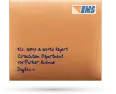
Your order is carefully packed and ships within 24 hours. Here's the typical package.
Sized like a regular personal letter (24x11x0.7 cm), with no indication of its contents.


| Delivery Method | Estimated delivery |
|---|---|
| Express Free for orders over £226.60 | Estimated delivery to the UK: 4-7 days |
| Standard Free for orders over £151.07 | Estimated delivery to the UK: 14-21 days |











| Country | Brand Names |
|---|---|
| Canada | Apo-Domperidone Teva-Domperidone |
Motilium contains domperidone, an antiemetic used for the short-term relief of nausea and vomiting. The product we offer is a 10 mg film-coated tablet taken by mouth. Domperidone acts mainly outside the brain, so drowsiness and movement-related adverse effects tend to be less prominent than with some centrally acting antiemetics. That distinction can be useful when comparing options, but it does not make Motilium a low-caution medicine.
The central trade-off is its recognised effect on the heart's electrical activity. Treatment should use the lowest effective dose, must remain within the maximum daily dose, and is usually limited to no more than one week. Motilium is therefore most appropriately considered as a tightly controlled short-course option, not as a general remedy for recurring sickness or a medicine to continue indefinitely. Before choosing a quantity from our catalogue, it is important to check that the product, intended course, current medicines, and individual risk factors all fit the clinical advice received.
Each Motilium film-coated tablet contains 10 mg of domperidone. Domperidone is a dopamine-antagonist antiemetic with prokinetic effects, meaning that it can also promote movement through the upper digestive tract. In the United Kingdom, however, its authorised role is specifically limited to relieving nausea and vomiting. It should not be selected merely to treat bloating, heartburn, indigestion, delayed stomach emptying, or another digestive complaint unless a prescriber has identified an appropriate reason for using it.
The tablet is intended for adults and for adolescents aged 12 years or older who weigh at least 35 kg. This age and weight threshold matters because the fixed 10 mg tablet is not suitable for younger children or adolescents below that weight. A generic domperidone tablet may contain the same active ingredient, but brand, excipients, packaging, and product information can differ. Anyone changing between products should still check the leaflet supplied with the particular medicine.
Motilium may be discussed when short-term medicine is needed for nausea or vomiting and a clinician has considered the likely cause, expected duration, and relevant risks. It is not possible to decide suitability from the symptom alone. Vomiting can have many causes, and suppressing it is not always the right response, particularly if symptoms are persistent, severe, unexplained, or accompanied by signs that need assessment.
The following factors can materially change the decision:
Medical advice is also important if nausea or vomiting repeatedly returns. A short antiemetic course may relieve the symptom without addressing its underlying cause.
Domperidone blocks dopamine receptors in the digestive tract and in the chemoreceptor trigger zone involved in the vomiting reflex. It crosses the blood-brain barrier poorly compared with medicines such as metoclopramide or prochlorperazine. As a result, central nervous system effects such as marked sedation and movement disorders are generally less prominent, although adverse effects can still occur.
The practical benefit is not that Motilium is universally better tolerated, but that it offers a different balance of effects. Someone for whom drowsiness is a particular concern may find that distinction relevant when speaking with a prescriber. Conversely, a person with cardiac risk factors or interacting medicines may need a different option even if that alternative is more likely to cause sedation.
Domperidone also helps food move from the stomach into the intestine. Taking it before food supports absorption because a dose taken after a meal may take longer to enter the bloodstream. This prokinetic action is part of how the medicine works, but it does not broaden its authorised UK indication beyond nausea and vomiting.
Motilium should be used exactly as directed by the prescriber and the patient information leaflet. For adults and eligible adolescents, the usual maximum is one 10 mg tablet up to three times daily, giving a maximum total dose of 30 mg in 24 hours. A lower effective dose should be used when it controls symptoms, and treatment should not normally continue for longer than seven days.
Antacids and medicines that reduce stomach acid should not generally be taken at the same time as oral domperidone because they can reduce its absorption. Where both are required, domperidone is normally taken before meals and the antacid or acid-suppressing medicine after meals, but the exact schedule should be checked with a pharmacist or prescriber.
Store Motilium below 30°C in the original package to protect it from light and moisture. Keep it out of the sight and reach of children, and do not use tablets after the expiry date shown on the packaging.
We offer Motilium 10 mg tablets in quantities of 10, 20, 30, 60, 90, 120, 180, 270, and 360 pills. The correct quantity depends on the directions provided and should not be used to justify a longer course. At the maximum recommended schedule of three tablets daily, a seven-day course would use no more than 21 tablets, although the prescribed dose and duration may be lower.
A smaller quantity may therefore be more closely aligned with one short course. Larger quantities should only be considered where there is a clear, clinically appropriate plan; they do not make continuous treatment or repeated self-directed courses safer. Our current product listing covers one strength and one dosage form, so the choice is about quantity rather than selecting between different strengths, routes, or release types. Prices shown during our ordering process correspond to the quantity selected.
Domperidone generally starts working within about 30 to 60 minutes. The response will vary with the cause of the symptoms, the timing of the dose, and individual factors. Relief may be noticeable after a dose, but that does not establish that the underlying problem has resolved. Motilium controls nausea and vomiting rather than treating every condition that can cause them.
Seek medical advice if symptoms do not improve during the short recommended course, return repeatedly, or require treatment beyond one week. Earlier assessment is important for persistent vomiting, inability to keep fluids down, signs of dehydration, blood or material resembling coffee grounds in vomit, severe abdominal pain, abdominal swelling, a severe headache, confusion, fainting, chest symptoms, or suspected poisoning. These features should not be managed simply by increasing the dose or choosing a larger quantity.
If nausea is connected with a known treatment, pregnancy, migraine, vertigo, motion sickness, or a recurring digestive disorder, the most suitable antiemetic may differ. The cause and clinical setting are therefore more informative than how quickly one previous dose appeared to work.
Domperidone is associated with a small increased risk of QT prolongation, ventricular arrhythmia, and sudden cardiac death. The risk has been observed more often in people over 60 years old, those taking daily doses above 30 mg, and those using interacting medicines, but the recommended limits apply to everyone. Remaining within the dose limit reduces avoidable exposure; it does not eliminate risk.
Other possible adverse effects include dry mouth, headache, sleepiness, anxiety, diarrhoea, breast tenderness, breast discharge, and menstrual changes. Domperidone can increase prolactin levels, which accounts for some breast and reproductive effects. A severe allergic reaction requires urgent care. The leaflet supplied with the medicine provides the full list of adverse effects and advice on what to do.
The most important interactions either increase the amount of domperidone in the blood or add to its effect on the heart's electrical rhythm. Potent inhibitors of the CYP3A4 enzyme can raise domperidone exposure. Relevant medicines may include certain antifungals, macrolide antibiotics, HIV treatments, and other specialist drugs. Many medicines from different classes can prolong the QT interval, so a complete medication check is more reliable than trying to recognise one category.
Before taking Motilium, disclose prescription medicines, pharmacy medicines, supplements, and recently completed treatments. Particular care is needed with:
Domperidone has no or negligible influence on driving and using machinery for most people, but individual reactions still matter. Do not drive or operate machinery if sleepiness, dizziness, faintness, or another symptom affects alertness or control. Alcohol does not resolve the interaction concerns and may worsen nausea or impair judgement, so it should not be used as a way to test whether driving feels safe.
No antiemetic is best for every cause of nausea. Domperidone's relatively limited entry into the brain may make central sedation and movement effects less prominent, but its cardiac restrictions are decisive for some people. Alternatives differ in receptor action, common adverse effects, and the clinical situations in which they are usually considered.
Metoclopramide is also a dopamine antagonist with prokinetic activity, but it enters the brain more readily and has more prominent movement-related risks; its use is also normally restricted to a short duration. Prochlorperazine is another dopamine-blocking antiemetic and may be considered in settings such as migraine-associated nausea or vertigo, although sedation and movement effects can influence suitability.
Cyclizine and Promethazine are sedating antihistamines commonly considered when motion sickness or vestibular symptoms are relevant. Ondansetron acts through serotonin 5-HT3 receptors and is frequently used for nausea associated with chemotherapy, radiotherapy, surgery, or other specified clinical circumstances. These options are not automatic substitutes for Motilium. The cause of nausea, cardiac history, age, pregnancy status, other medicines, and the need to avoid sedation all affect the comparison.
A change of antiemetic should be discussed rather than made by combining treatments. Using two medicines for nausea can introduce additive sedation, cardiac effects, or other interactions without addressing why the symptoms persist.
| Feature | Motilium | Zofran |
|---|---|---|
| Active ingredient | Domperidone | Ondansetron |
| Medicine class | Dopamine antagonist | 5-HT3 receptor antagonist |
| Common use | Nausea and vomiting | Nausea and vomiting |
| Dosage form | Film-coated tablet | Film-coated tablet |
| Available strengths | 10 mg | 4 mg, 8 mg |
| Typical treatment duration | Short-term (usually up to 1 week) | Short-term (usually up to 5 days) |
| Feature | Motilium | Metoclopramide |
|---|---|---|
| Active ingredient | Domperidone | Metoclopramide |
| Medicine class | Dopamine antagonist | Dopamine antagonist |
| Common use | Nausea and vomiting | Nausea and vomiting |
| Dosage form | Film-coated tablet | Film-coated tablet |
| Available strengths | 10 mg | 10 mg |
| Action on the brain | Poorly crosses blood-brain barrier | Crosses blood-brain barrier |
Domperidone is a prescription-only medicine in the United Kingdom. UK safety restrictions limit its authorised use to short-term relief of nausea and vomiting at the lowest effective dose and for the shortest possible duration. The NHS provides general patient information about domperidone, while suspected adverse effects can be reported to the MHRA through the Yellow Card Scheme.
That national regulatory classification is separate from our ordering policy. For this product, our checkout does not require a customer to submit a prescription document before we accept an order. This describes our product-specific document requirement; it does not change domperidone's prescription-only classification in the UK or replace the need for appropriate clinical advice. Customers should not interpret completion of our checkout as confirmation that Motilium is suitable for their circumstances.
Our catalogue lists Motilium as 10 mg film-coated tablets, with the available quantities shown during selection and prices displayed in pounds sterling. Before completing our checkout, check the strength, tablet quantity, intended dose, and planned treatment duration against the directions received. If a quantity would substantially exceed the intended short course, that is a reason to confirm the plan rather than assume the remaining tablets should be retained for repeated self-treatment.
Our support team is available 24/7 by email and online chat for questions about our product listing or ordering process. Pharmacist support is also available for medicine-related questions. A pharmacist can help explain standard instructions, interactions, and warning information, but cannot replace urgent assessment or the prescriber responsible for an individual's treatment. We do not state a delivery time here because no product-specific delivery estimate has been supplied.
Motilium may be a relevant short-term option when nausea or vomiting requires an antiemetic, limited central sedation is desirable, and the person's cardiac status, liver function, age, weight, and current medicines have been checked. Its advantages must be weighed against a strict maximum of 30 mg daily, a usual treatment limit of seven days, important contraindications, and potentially serious cardiac interactions.
Confirm that the selected product is Motilium 10 mg film-coated tablets and that the quantity matches a defined course. Do not use a larger quantity to extend treatment, increase the dose, or create a supply for unexplained recurring symptoms. If the likely cause points towards motion sickness, vertigo, migraine, treatment-related nausea, or another specific setting, an alternative may be more appropriate and should be discussed before ordering.
The sound purchasing decision is therefore not simply whether Motilium causes less drowsiness than another antiemetic. It is whether this exact product, at this strength and for a short course, matches the clinical purpose and can be used without unacceptable cardiac, hepatic, or interaction risk.

I have used domperidone as a liquid before. What form do you sell now?
Our catalogue listing is for domperidone 10 mg film-coated tablets for oral use. We cannot confirm other dosage forms from this product listing.
My order has been dispatched and I'm in Derby. Does that mean it will arrive tomorrow?
Not necessarily. Dispatch means the order has been sent; delivery depends on the delivery option selected and your location in Derby. Most orders are dispatched within 24 hours on Monday to Friday.
I'm taking fluconazole for thrush and was considering these tablets for nausea. Can I take domperidone as well?
Do not start domperidone with fluconazole without prescriber advice. Fluconazole can increase domperidone exposure and may add to the risk of QT prolongation and serious heart-rhythm problems, so a clinician should choose a safer option if needed.
| Active ingredient | Domperidone |
|---|---|
| Drug class | Dopamine antagonist antiemetic |
| Dosage form | Film-coated tablet |
| Available strengths | 10 mg |
| Route | Oral |
| Storage | Store below 30°C in the original package to protect from light and moisture. |
| ATC code | A03FA03 |
This product has 28 ratings, but only 7 written reviews so far. Share your experience and help other customers.
I'll order Motilium again.
Helpful, friendly support.
A clear answer from support to my payment-confirmation question came promptly.
The order was smooth, though the price has crept up; the quality still justifies it.
The parcel cleared customs without questions or extra trouble.
The outer packaging looked like an ordinary delivery. It revealed nothing about the order.
Very good value.


