Brand Name: Sustiva
Active Ingredient: efavirenz
Indication: For use in combination treatment of HIV infection (AIDS)
Company Name: DuPont Pharmaceuticals
Availability: FDA granted accelerated approval in September 1998; FDA granted traditional (full) approval based on long-term efficacy in February 2000
 General Information
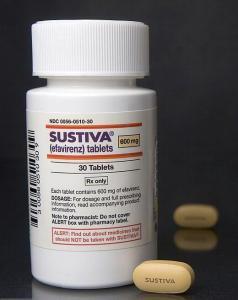
Though patients with AIDS manage their HIV infection with a variety of medications (sometimes in combination), no medication has been fully approved by the FDA based on long-term outcomes until recently. Sustiva (efavirenz), produced by DuPont Pharmaceuticals, was the first anti-HIV medication fully approved by the FDA in February 2000. This was due to long-term data demonstrating the drug's efficacy in combating HIV infection.
In September 1998, the FDA first granted Sustiva expedited approval so that people with AIDS could use it. Only when combined with other anti-HIV treatments that the patient has never had before the drug may be used to treat AIDS. If Sustiva is taken alone, the AIDS virus may become resistant to the medication. Adults and children over three who are HIV-positive can use Sustiva; three capsules should be taken once a day.
Sustiva: Results of a Clinical Study
Sustiva has been demonstrated to lower blood levels of HIV (the so-called viral load) and raises CD4 cells, a subset of immune system cells when used with other anti-HIV medications. According to two clinical studies, patients receiving Sustiva in addition to two other "antiretroviral" medications (such as lamivudine, nelfinavir, or zidovudine) saw a longer duration of treatment and a higher reduction in their viral load than those receiving the medication in any other combination. This response to treatment was shown in one trial to last up to 110 weeks, and the investigation is ongoing.
According to Dr. Cal Cohen, Director of the Community Research Initiative of New England, HIV medications must not only bring the virus level in the blood down to below detectable levels but also maintain it this way for as long as possible. The FDA's long-term Sustiva data clearly demonstrate that this medication can successfully achieve this goal when used with other medications.
What You Should Know
Patients taking Sustiva most frequently report mild to moderate rash, dizziness, sleeplessness, drowsiness, and poor concentration as side effects. Early in the course of treatment, these symptoms usually go away in two to four weeks. Children get severe rashes more frequently and with a greater incidence than adults. Patients should refrain from using heavy machinery or driving if they are experiencing sleepiness or other nervous system symptoms. Pregnant women should not use Sustiva since animal studies have linked it to congenital disabilities.